Quick answer: The history of New Bern, NC begins in 1710, when Swiss and German Palatine settlers led by Baron Christoph von Graffenried founded the town where the Neuse and Trent rivers meet. It became a colonial capital, a Union-occupied Civil War town, the birthplace of Pepsi-Cola, and a river city that has rebuilt after repeated storms. Few places in North Carolina are older or better preserved.
Key takeaways
- New Bern was founded in 1710 and is among the oldest towns in North Carolina.
- It served as the colonial capital, and Tryon Palace was the royal governor’s residence and seat of government.
- Union forces took the town in 1862 and held it for the rest of the war.
- Pepsi-Cola was first sold here in the 1890s, and the original pharmacy site is still a downtown stop.
- Hurricanes and river flooding are a recurring part of the story, including Florence in 2018.
A Quick Timeline of New Bern History
If you only have a minute, this table covers the main turning points. The sections below fill in the detail.
| Period | What happened |
|---|---|
| 1710 | Swiss and German Palatine settlers found New Bern at the river junction |
| 1711-1713 | The Tuscarora War nearly destroys the young settlement |
| 1760s-1770s | New Bern is the colonial capital; Tryon Palace is built |
| 1862 | Union forces capture the town during the Civil War |
| 1890s | Caleb Bradham creates the drink that becomes Pepsi-Cola |
| 1900s onward | Fires, floods and hurricanes shape the town; preservation efforts grow |
| 2018 | Hurricane Florence floods large parts of the city |
The Swiss and German Founding
New Bern was founded in 1710 by Baron Christoph von Graffenried, a Swiss nobleman, along with Palatine Germans and Swiss colonists seeking land and a fresh start. He named the town after Bern, Switzerland, which is also why the city’s emblem is a bear.
The site was chosen for the water. The Neuse and Trent rivers meet here, which made the point a natural place to ship goods and receive supplies from the coast.
The Tuscarora War
The early years were hard. The settlers took land that belonged to the Tuscarora people, and in 1711 the conflict turned violent. Von Graffenried was captured, and many settlers were killed in the fighting that followed. The settlement survived, but it grew slowly for years afterward.
- Why it matters: The founding story includes displacement of Native people, not just pioneer grit.
- Where the bear comes from: The name and symbol trace straight back to Bern, Switzerland.
Colonial Capital and Tryon Palace
By the middle of the 1700s, New Bern was one of the most important towns in the colony. Its port moved naval stores like tar, pitch and turpentine, along with timber and farm goods.
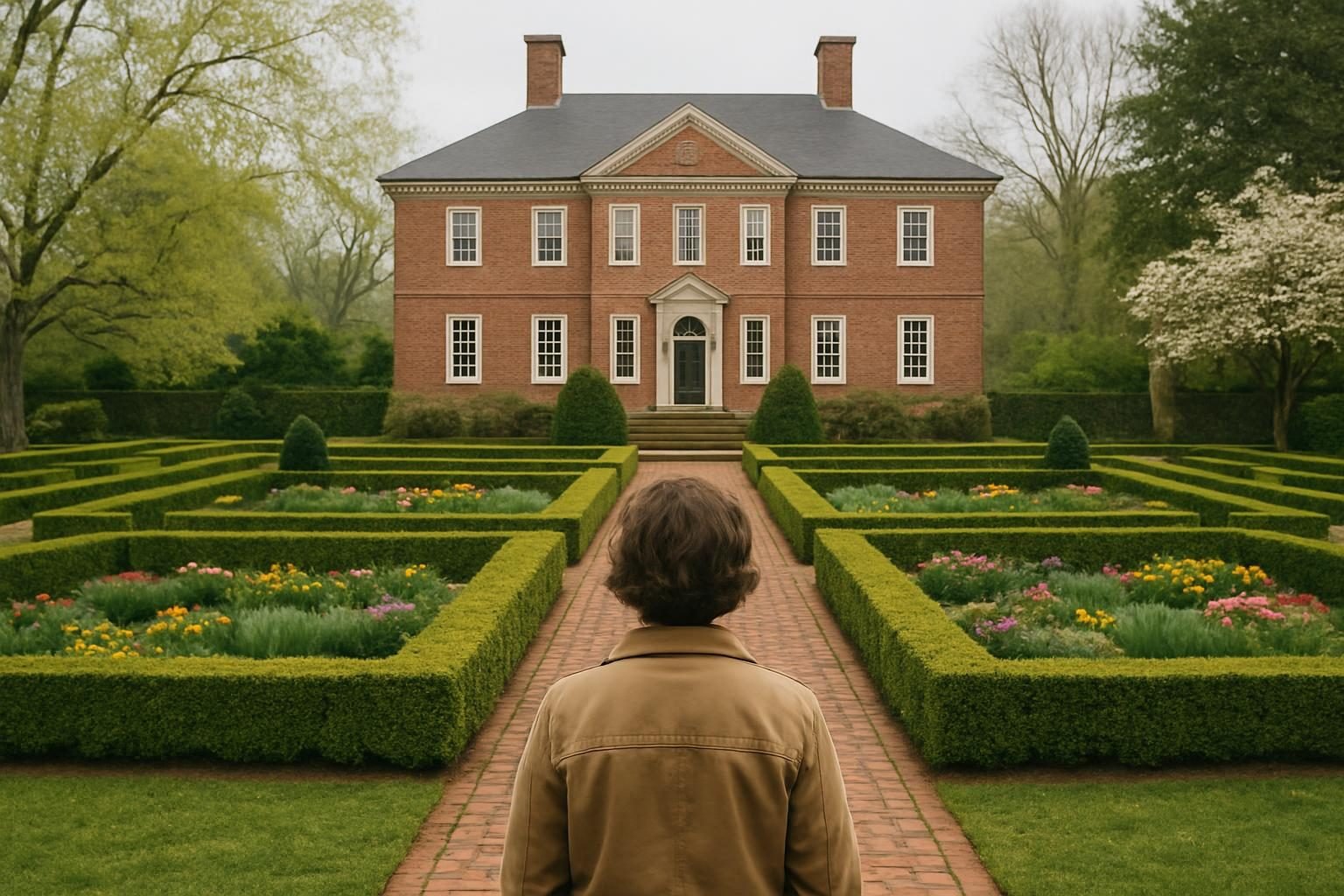
In the 1760s, Royal Governor William Tryon oversaw construction of an elegant brick residence that also housed colonial government. Tryon Palace was considered one of the finest buildings in British North America at the time. A fire destroyed the original in 1798.
The building you can tour today is a reconstruction completed in the 1950s, based on the original plans. For practical details on a visit, see our local’s guide to visiting Tryon Palace.
Local tip: Visit the palace first, then walk the surrounding streets. The reconstruction makes more sense once you have seen how much of the original town fabric survives around it. Check current hours and tour options with the site directly before you go.
From Revolution to the Antebellum Years
After independence, the capital function moved inland and New Bern settled into life as a prosperous river port. It was among the largest towns in the state for a time, and the wealth of that era is visible in the surviving homes.
That prosperity rested heavily on enslaved labor. Many of the era’s planters, shippers and merchants built their fortunes on it, and New Bern also had a notable free Black community that played a real role in the town’s trades and civic life.
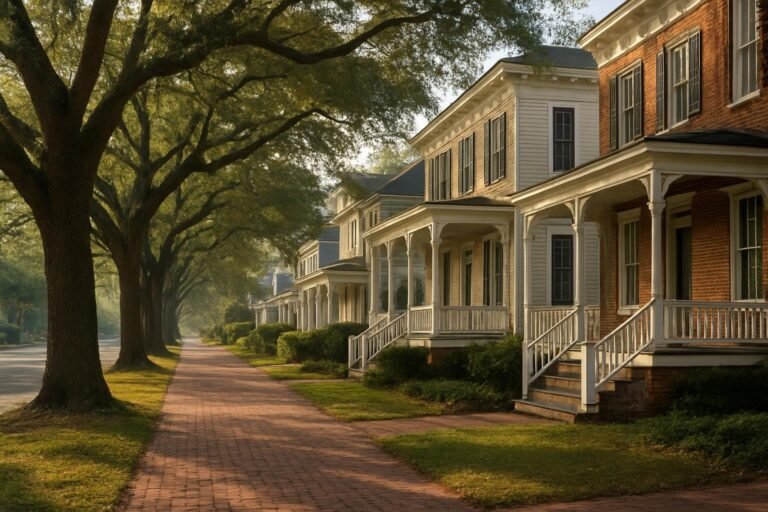
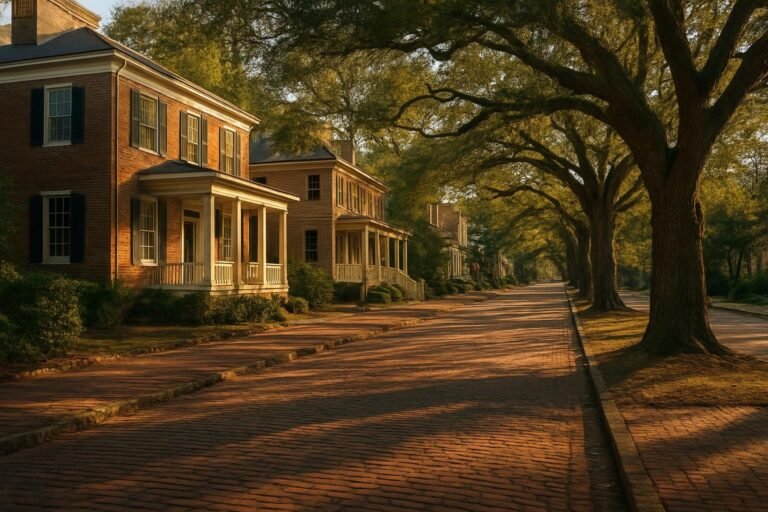
- Federal and Georgian homes: Many downtown houses date from this period.
- Shipping and trade: The rivers drove the economy long before highways did.
If you want to see this architecture on foot, a historic district walking tour is the best way to take it in.
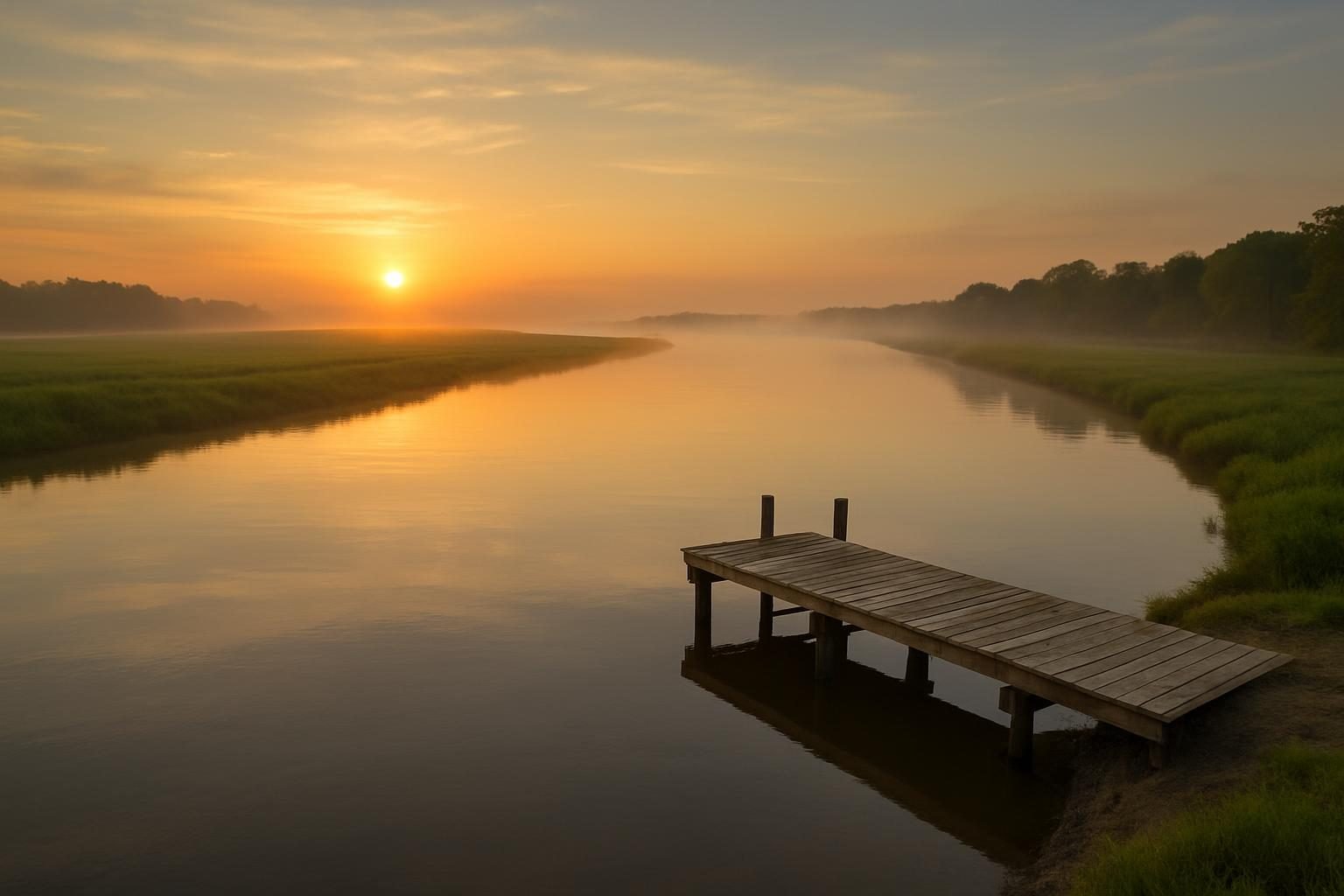
New Bern’s wealth came from its rivers, and so did most of its troubles.
The Civil War and Union Occupation
North Carolina left the Union in 1861. In March 1862, Union troops under General Ambrose Burnside fought the Battle of New Bern and took the town. Federal forces held it for the remainder of the war.
The occupation changed the town in lasting ways. Many enslaved people from the surrounding countryside reached Union lines here and found a path toward freedom, and a sizable freedpeople’s community took shape.
What the occupation meant locally
- A Union foothold: New Bern became an important base on the North Carolina coast.
- A refuge: Thousands of formerly enslaved people sought safety within Union lines.
- Damage and disruption: The war strained the town’s economy and society for years afterward.
The post-war decades were mixed. Reconstruction brought Black political participation and new institutions, followed by the harsh era of segregation that shaped life here as it did across the South.
Pepsi, Timber and a Changing Economy
In the 1890s, a New Bern pharmacist named Caleb Bradham mixed a digestive drink at his downtown drugstore. He first called it Brad’s Drink, then renamed it Pepsi-Cola in 1898. It grew into one of the biggest consumer brands in the world.
The original pharmacy site is now a downtown landmark and a good excuse to stop and look around. Our guide to the birthplace of Pepsi in New Bern covers the story and the visit.
Around the same period, lumber was big business. Mills along the rivers processed timber from the surrounding forests, and the town’s economy moved from naval stores toward lumber, fishing and later manufacturing.
- Bradham’s later fortunes: The company ran into financial trouble after World War I, a reminder that the success story was not a straight line.
- Rail and road: Transportation links gradually replaced river shipping as the main route for goods.
Fire, Flood and Hurricanes
New Bern sits low, close to two rivers and not far from the sound, so water has always been part of the story. Fires have also reshaped the downtown, including a major blaze in 1922 that burned a large section of the city.
Hurricanes arrive on their own schedule. Hurricane Florence in 2018 pushed historic flooding into the city, and many downtown and riverside homes took on water. Fall storms are a real part of life here, not a footnote.
| Hazard | What to know | |
|---|---|---|
| River and storm-surge flooding | Low-lying areas near the Neuse and Trent are most exposed | |
| Wind and falling trees | Mature trees in older neighborhoods can be a risk in storms | |
| Humidity and age | Older homes need steady upkeep in damp river country |
If you are buying or already own here, it is worth reading up on flood zones in New Bern and keeping a hurricane prep checklist ready before the season starts.
Every generation in New Bern has rebuilt after water or fire, and the old streets show it.
New Bern Today
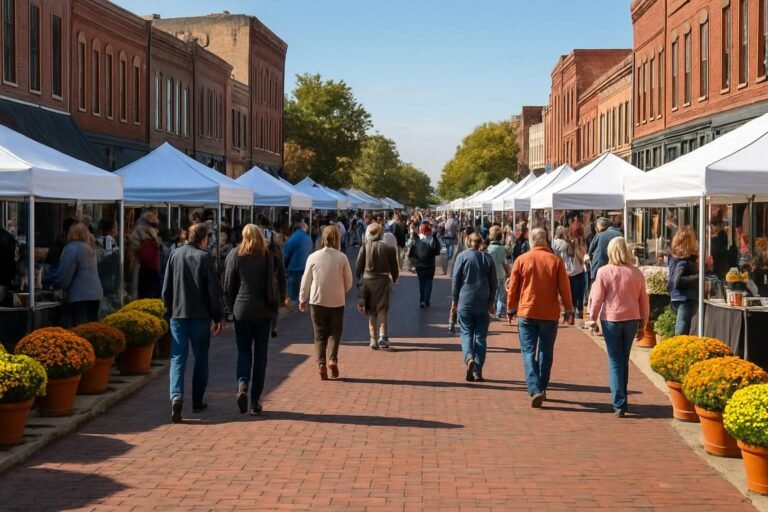
Modern New Bern blends a protected historic core with a growing region. Downtown has restaurants, shops and waterfront parks, and the wider county includes Havelock, home to Marine Corps Air Station Cherry Point, which brings military families and a steady stream of newcomers. Retirees have also long been drawn to the river lifestyle.
Preservation matters here. Residents and local organizations have worked for decades to protect old buildings, which is much of why the town feels like it does. Annual events like MumFest keep the community tied to its calendar and its past.
Ways to explore the history yourself
- Tour the palace and walk the surrounding historic streets.
- Stop at the Pepsi birthplace downtown.
- Spot the painted bear statues around town, a nod to the city’s Swiss namesake.
- Browse local New Bern museums for deeper dives into specific eras.
For more ideas, see our local’s list of things to do in New Bern or the free things to do. If you are thinking about settling here, start with living in New Bern, and browse more stories in our History & Culture section.
FAQ
When was New Bern, NC founded?
New Bern was founded in 1710 by Swiss and German Palatine settlers led by Baron Christoph von Graffenried. It is one of the oldest towns in North Carolina.
Why is it called New Bern?
Von Graffenried named it after Bern, Switzerland, his home city. That is also why the bear is the city’s symbol and why you will see bear statues around town.
Was New Bern the capital of North Carolina?
It served as the colonial capital, and Tryon Palace housed the royal governor and colonial government. The state capital later moved elsewhere, and Raleigh took on that role.
What happened in New Bern during the Civil War?
Union troops captured the town in March 1862 and held it through the rest of the war. It became a refuge for many formerly enslaved people from the surrounding area.
Is Pepsi really from New Bern?
Yes. Pharmacist Caleb Bradham created the drink in the 1890s and named it Pepsi-Cola in 1898. The original pharmacy location is a downtown landmark you can visit.