Quick answer: Tryon Palace is a reconstruction of the 1770s colonial governor’s residence on the Trent River in downtown New Bern, surrounded by formal gardens and paired with a modern history center. Plan on a half day to see the palace, grounds and exhibits, and check the official Tryon Palace website for current hours, tour options and ticket prices before you go.
Key takeaways
- The palace you tour is a mid-20th-century reconstruction built on the original footprint, using the original architect’s plans.
- The gardens and the history center are worth time on their own, so budget more than a quick walkthrough.
- Spring and fall are the most comfortable seasons; summer afternoons are hot and humid.
- Always confirm tickets, hours and event dates on the official site, since offerings change by season.
What Tryon Palace Is (and Why It Matters)
Tryon Palace was built in the early 1770s as the home of Royal Governor William Tryon and as the seat of the colony’s government. New Bern was then the capital of North Carolina, and the palace was meant to show the Crown’s authority in a young, fast-growing province.
It did not last long in its first form. A fire destroyed the main building in 1798, and for generations the site was built over and largely forgotten.
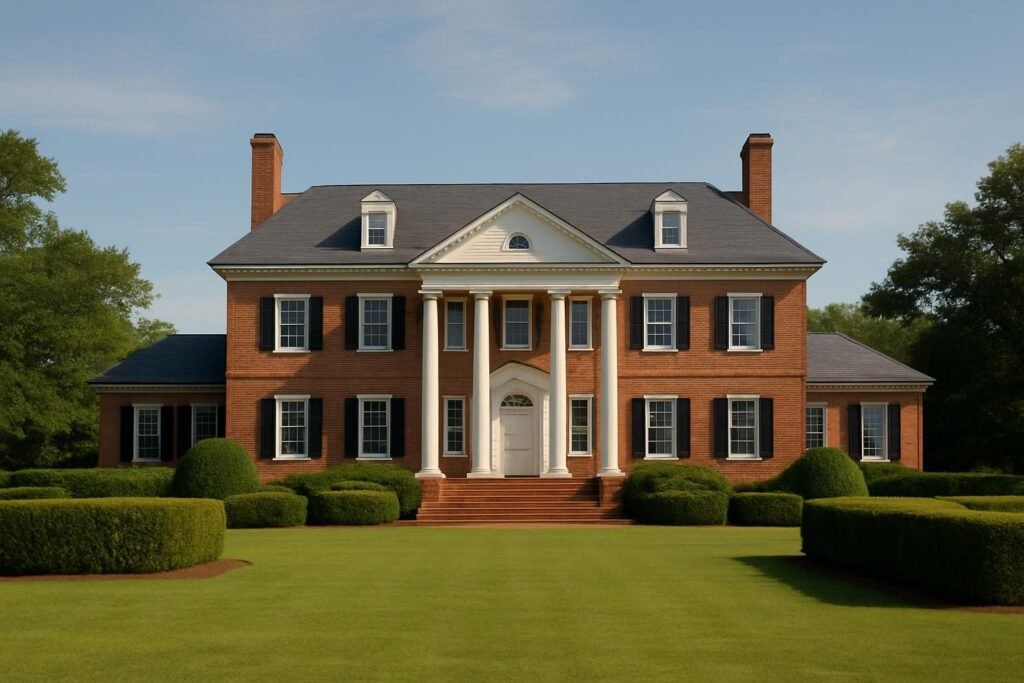
The building you visit today is a reconstruction completed in the 1950s. Architect John Hawks’s original plans survived, which let the builders reproduce the Georgian design with real care. It sits at the foot of the historic district, steps from the Trent River, and it anchors the story of why New Bern matters in state history.
If you want the wider backdrop, our upcoming history of New Bern guide covers the town from its 1710 founding forward.
What You’ll See: Palace, Gardens and Grounds
A visit has several parts. Here is how they break down:
- The Palace: Guided or interpreted tours take you through the governor’s residence and the rooms where colonial business and entertaining happened. Interpreters in period dress are a regular feature.
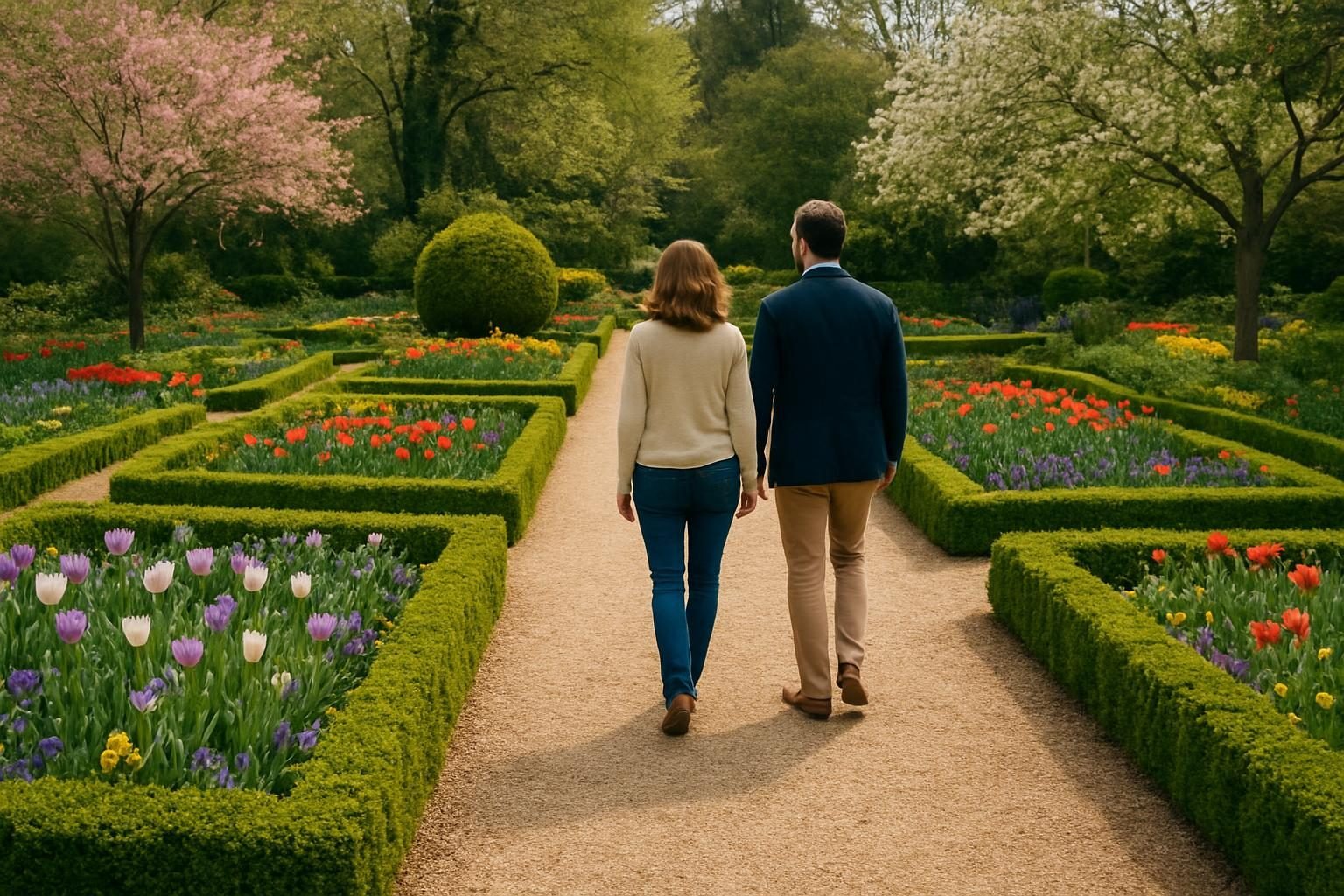
- The Gardens: Formal landscaped gardens surround the grounds, with a mix of colonial-style layouts and later designs. They are the best reason to come in spring.
- The Stables and outbuildings: Smaller buildings on the property show the working side of a colonial household.
- The riverfront setting: The palace sits near the Trent, and the approach from downtown is a pleasant walk.
The History Center and Other Historic Houses
Tryon Palace is more than one building. The complex includes a modern history center with exhibits that cover the region’s story beyond the palace years, from colonial life to later chapters in eastern North Carolina. Exhibits rotate, so check what is on when you plan.
The ticketing at Tryon Palace has historically offered different combinations of the palace, the gardens and other historic houses on the property. Which options exist, and what they cost, changes. The official site is the only reliable place to see the current menu.
If museums are your thing, our upcoming New Bern museums roundup will help you build a full day around the palace.
The palace burned in 1798, and the building you tour today rose again from the original architect’s surviving plans.
Seasonal Events and Candlelight
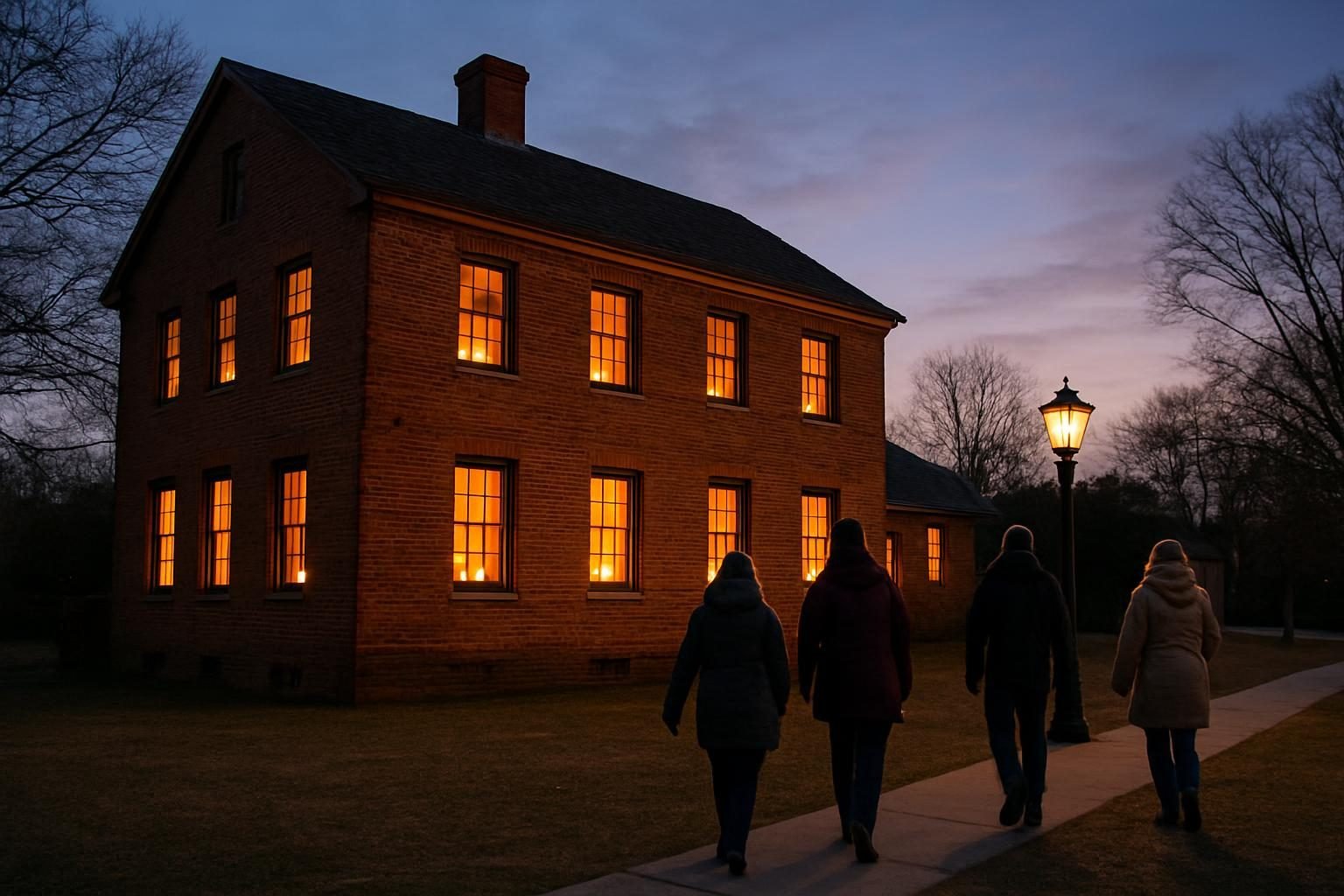
The palace runs special programming through the year, and the winter candlelight experience is the one locals mention most. The grounds and rooms are lit for the season, and the atmosphere is very different from a daytime tour.
Event schedules, dates and ticket rules change from year to year, and popular evening programs can sell out. Do not rely on last year’s dates; check the official site.
Here is a rough guide to how the year tends to feel:
| Season | What to expect |
|---|---|
| Spring | Gardens at their best, mild temperatures, steady visitor traffic |
| Summer | Hot and humid; go early and plan shade breaks; family crowds |
| Fall | Comfortable weather and a busy downtown around MumFest weekend |
| Winter | Holiday and candlelight programming; dress warmly for evening events |
Planning Your Visit
Follow these steps to keep the day simple:
- Check the official site first. Confirm hours, tour times, ticket types and any closures or special events for your date.
- Buy or reserve tickets as directed. Use only the official channel, and read what each ticket includes.
- Pick your time of day. Mornings are cooler and usually calmer; evenings suit special events.
- Plan the rest of the day. Pair the palace with a downtown walk and lunch.
Local tip: Wear comfortable shoes and bring water. Tours involve a good deal of standing and walking, and the Lowcountry-style humidity from June through September wears people out faster than they expect.
Parking and access details can change, so look at the official site’s visitor information rather than assuming where to leave the car. If you are staying downtown, walking is often easiest.
Making a Day of It in Downtown New Bern
The palace is a short walk from the rest of downtown, so you can stretch the visit into a full day without driving.
- Lunch or dinner: See our guide to the best restaurants downtown New Bern.
- More to do: Our things to do in New Bern list covers the waterfront, shops and more.
- Pepsi history: The birthplace of Pepsi is a quick stop downtown.
- Walking the old streets: A historic district walking tour pairs naturally with a palace visit.
- Budget options: If you are watching costs, our list of free things to do in New Bern fills out the schedule.
Give the palace a morning, then spend the afternoon on foot in the historic district just beyond its gates.
Who Will Enjoy It Most
Newcomers and military families: If you have just arrived through Cherry Point, the palace is a good first look at why New Bern’s historic core is so prized. Our guide to living in Havelock covers life on the other side of the county.
Families with kids: Costumed interpreters and open grounds help, though younger children may tire of a long tour. See our things to do with kids page for balancing the day.
Retirees and history fans: The depth of the exhibits and the quiet of the gardens reward a slower pace. Consider more than one visit across seasons.
Honest downsides: summer heat, school-group and holiday crowds, and the fact that some areas involve stairs and uneven historic surfaces. If mobility is a concern, ask the palace about accessibility before you go.
You can find more history-focused reading in our history and culture section.
FAQ
Is Tryon Palace the original building?
No. The original burned in 1798. The palace you tour is a mid-20th-century reconstruction built from the original architect’s plans.
How long should I plan for a visit?
A half day is a good target if you want the palace, gardens and history center. Add more time if you plan to attend a special event or explore the other historic houses.
Where do I buy tickets?
Use the official Tryon Palace website. Ticket types, prices and event availability change, so avoid relying on older information.
When is the best time to go?
Spring and fall are the most comfortable, and spring is best for the gardens. Summer works if you go early; winter suits the candlelight programming when it is offered.
Can I walk there from downtown?
Yes. The palace is at the edge of the historic downtown near the Trent River, and many visitors walk from nearby restaurants and shops.