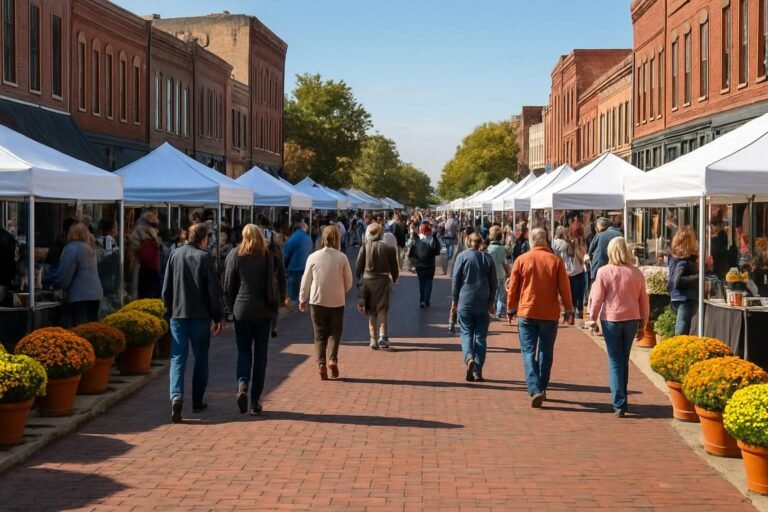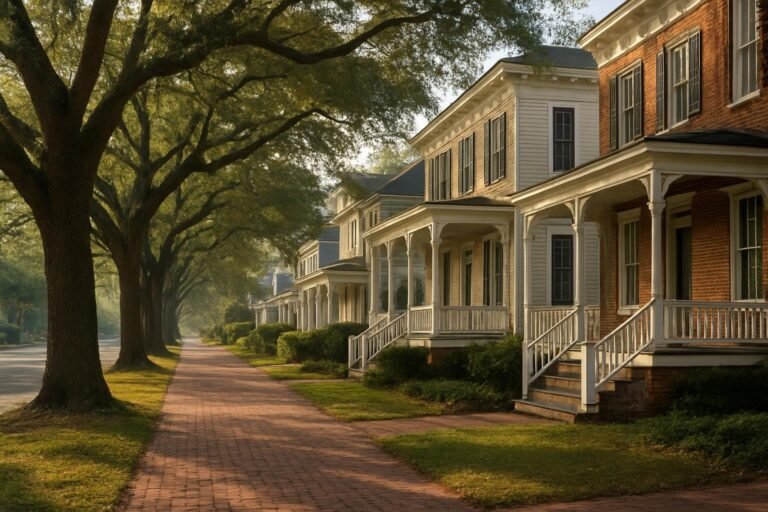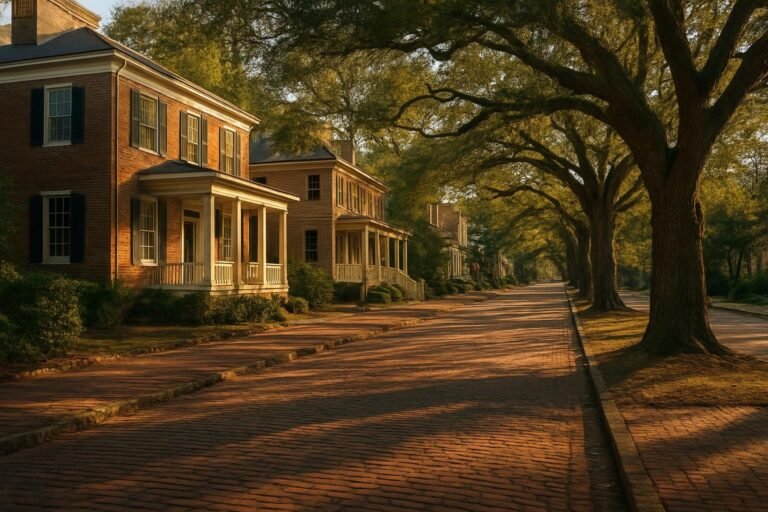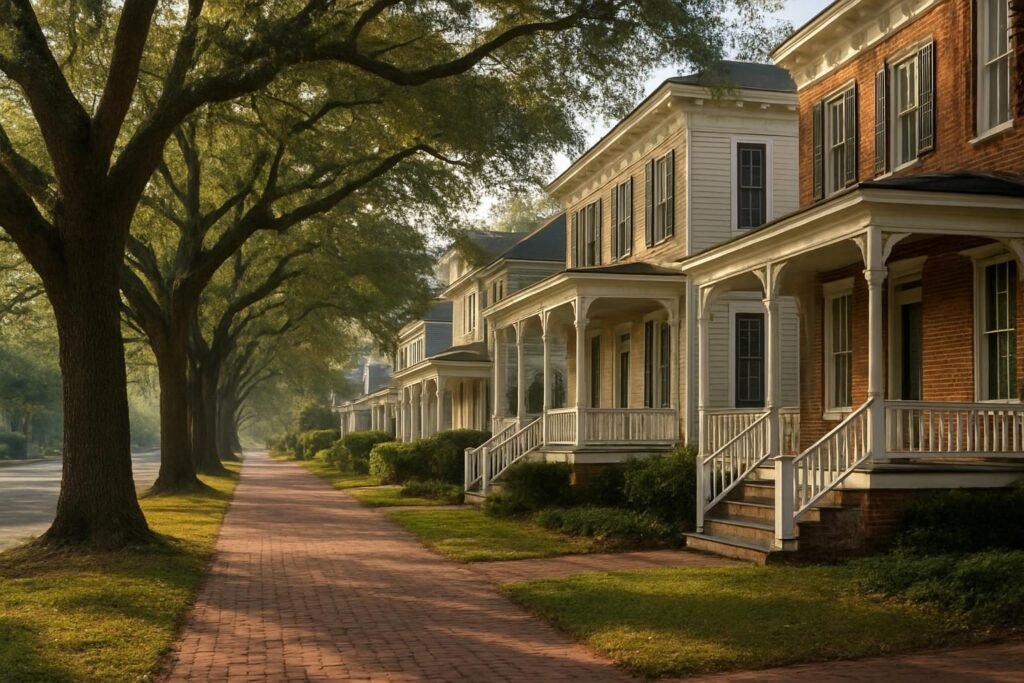
Quick answer: You can walk New Bern’s historic district on your own in about two to three hours with stops, following a loop from Tryon Palace up Middle and Pollock Streets, past the churches and into the old cemeteries, then back down to the Trent River waterfront. The area is flat, compact and easy to read: colonial and Federal buildings near the palace, Victorian and Colonial Revival houses farther out. Start early in warm months and wear real walking shoes.
Key takeaways
- The loop below is roughly two to three miles and flat, so it suits most ages and fitness levels.
- Look for architecture from the 1700s through the early 1900s, often on the same block.
- Two historic cemeteries and several old churches sit right on the route.
- Most buildings are private homes: look from the sidewalk and respect the owners.
- Summer heat and humidity are the biggest practical problem, so plan for mornings.
Why walk New Bern’s historic district
New Bern is one of North Carolina’s oldest towns, founded in the early 1700s and shaped by two rivers, the Neuse and the Trent. Because the town kept building through the 1800s and early 1900s, its streets show several centuries of taste side by side. The district is large enough to reward a long walk and small enough that you will not get lost.
If you want the background before you go, our short history of New Bern covers the colonial capital years, the Civil War occupation and the long recovery that followed.
- Best for: visitors, new residents, military families settling in, and locals who have never really looked up.
- Cost: walking the streets is free. Interior tours of specific buildings are separate and priced by each operator.
- Pace: slow. The point is to look at details.
The route: a loop you can follow in order
This loop is a suggestion, not an official trail. Street names are real, but check a current map before you go, since parking and street closures change for events.
- Start near Tryon Palace. The reconstructed colonial governor’s residence anchors the east end of downtown. Our local’s guide to Tryon Palace explains tickets and what is inside.
- Walk up George and Pollock Streets. Notice how the houses grow more ornate as you move away from the river.
- Cross toward Middle Street. This is where you will find some of the district’s oldest surviving buildings and its most photographed doorways.
- Loop through the church blocks. Several historic congregations sit within a few minutes of each other.
- Visit the cemeteries. Pause for the old stones, then turn back toward downtown.
- Finish on Craven and Middle Streets and the waterfront. End at Union Point Park, where the Neuse and Trent meet, and sit down.
Local tip: Park once, near downtown, and walk everything. Moving the car between stops costs you time and a parking spot in a district where spaces fill quickly on weekends and during festivals.
Architecture styles to look for
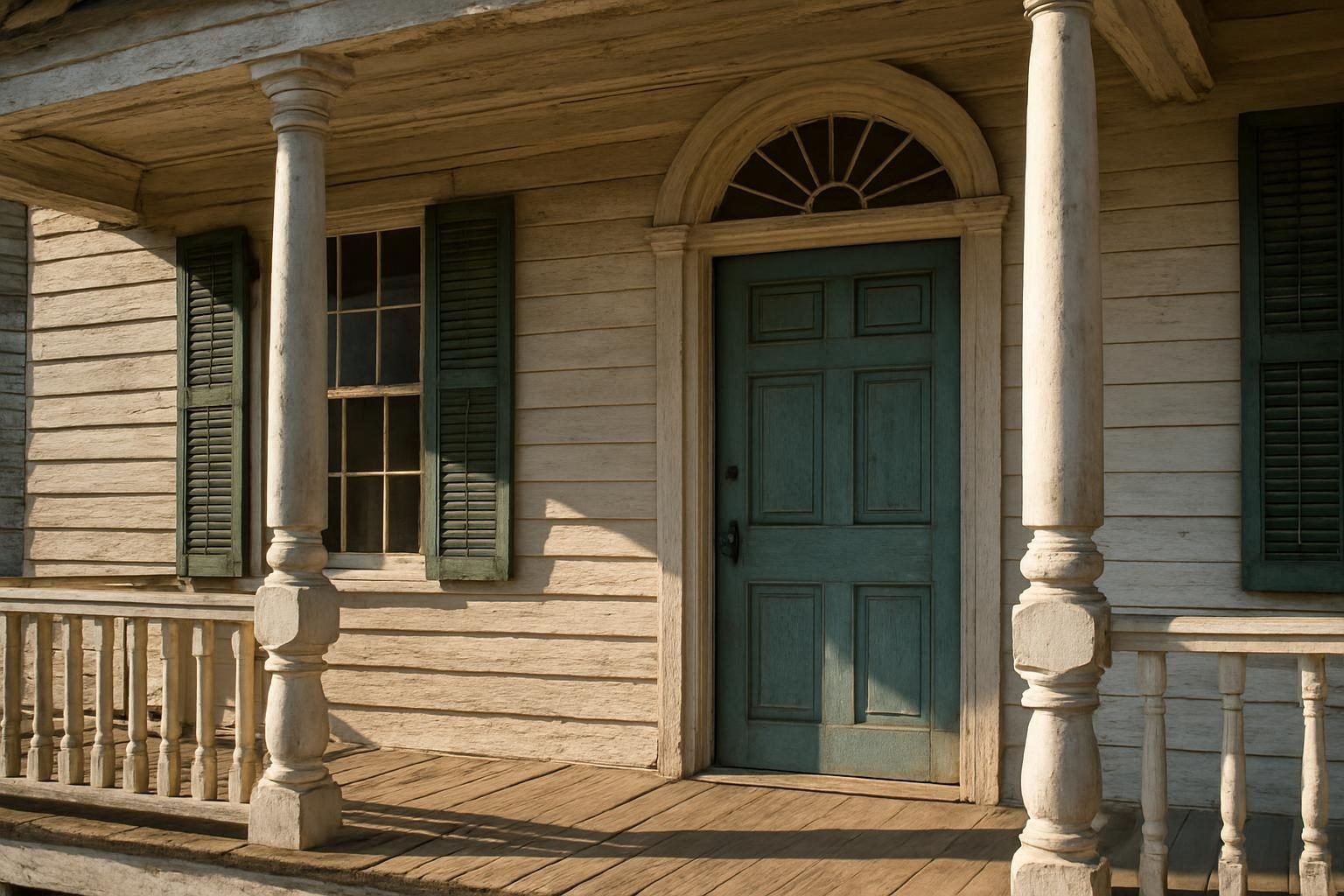
You do not need training to enjoy the buildings, but a few clues help. Look at rooflines, porches, windows and the way each house sits on its lot.
| Style | What to look for | Rough era |
|---|---|---|
| Georgian and colonial | Symmetry, centered doors, simple balanced facades | 1700s |
| Federal | Delicate trim, fanlights over doors, slim proportions | Late 1700s to early 1800s |
| Greek Revival | Bold columns, wide trim, temple-like fronts | Early to mid 1800s |
| Victorian (Queen Anne, Italianate) | Turrets, wraparound porches, decorative brackets and gingerbread | Late 1800s |
| Colonial Revival and bungalow | Classical details on newer homes, deep porches, low rooflines | Early 1900s |
Many houses blend more than one style because owners added porches and wings over the decades. That mixing is part of the fun, and it is why guidebooks disagree on labels.
Details worth slowing down for
- Raised foundations and tall windows built for river-country heat and flooding.
- Deep porches and shutters, which are working climate features as well as decoration.
- Brick and wood side by side, often on neighboring lots.
- Small historic plaques some owners display near the door.
In New Bern, three centuries of building taste sit on the same block, and you can walk past all of it in an afternoon.
Churches along the way
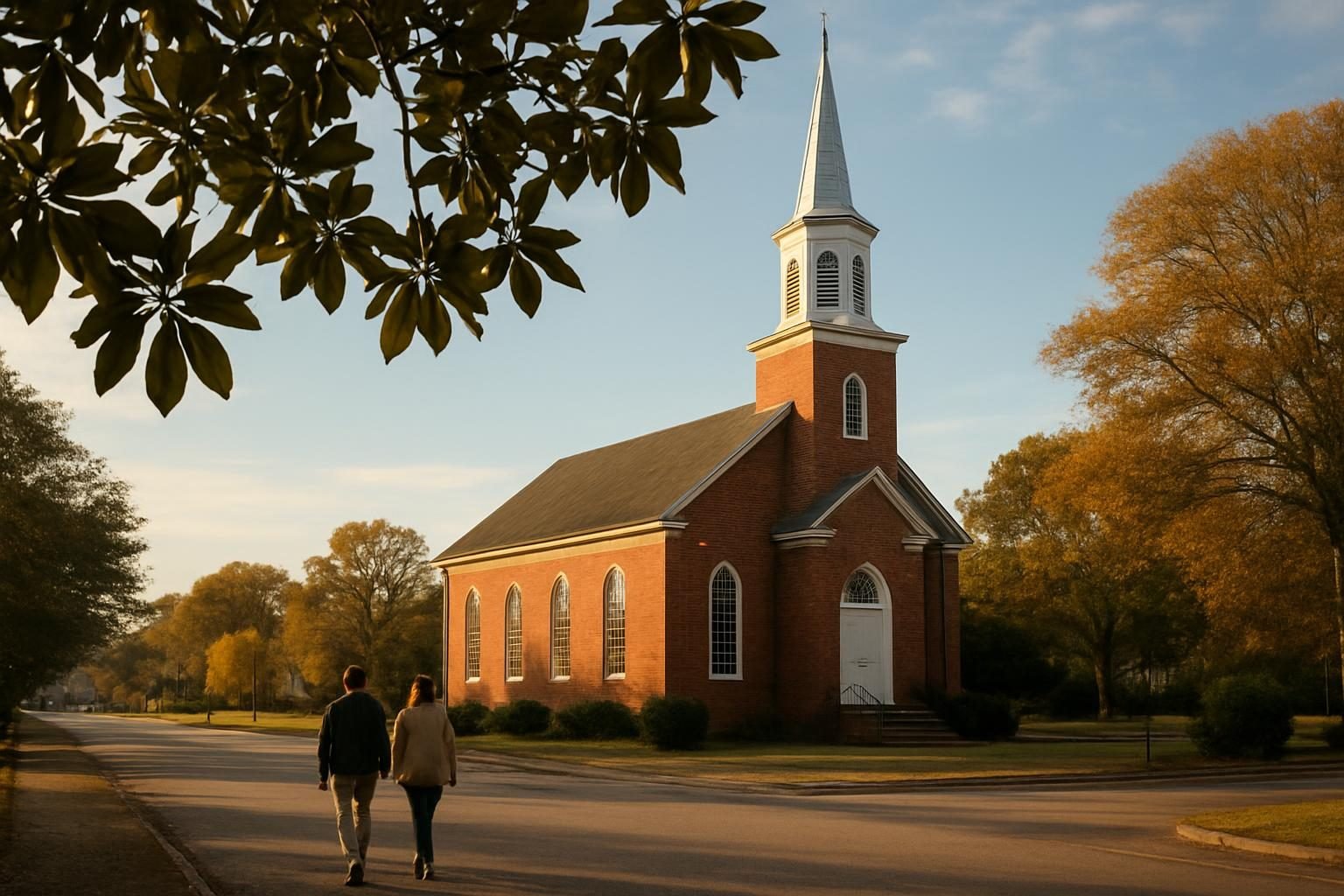
New Bern’s historic churches are some of the most photographed buildings in town, and several have congregations that go back to the colonial period. They tend to sit on prominent corners, so you will stumble across them naturally.
- Exteriors: steeples, brickwork and stained glass are visible from the sidewalk at any time.
- Interiors: open hours vary. Some are open for visitors on set days, and others only during services or events. Check each church’s own website or call before planning to go inside.
- Etiquette: these are active places of worship. Be quiet, skip flash photography, and do not walk in during a service unless you are attending.
Cemeteries worth a stop
The old burial grounds are quiet, shaded and full of local history. Weathered markers, family plots and carved symbols tell you who lived here, how long they lived and how the town suffered through fevers, wars and storms.
How to visit respectfully
- Stay on paths and avoid stepping on graves.
- Skip rubbings. Old stone can crumble.
- Take photos from a respectful distance and leave things as you found them.
- Check posted hours at the gate, since access can change.
The older stones are often the most interesting. Look for names that still appear on street signs and business fronts around town.
What to look for beyond the buildings
The district is more than architecture. Keep an eye out for the small things that make New Bern feel like New Bern.
- Bear statues: the town’s mascot appears all over downtown. See our upcoming guide to the New Bern bear statues for the story.
- Pepsi history: the drink was created here, and the original site is a short walk from the core. Read our Pepsi birthplace guide.
- The rivers: glimpses of the Neuse and Trent open up at street ends and from the waterfront.
- Museums: several small ones sit in or near the district. We will cover them in our New Bern museums guide.
Most of what you are looking at is someone’s home, so the sidewalk is the best seat in the house.
Practical tips for the walk
Timing and weather
Summers are hot and humid, and shade is patchy once you leave the older tree-lined streets. Go early in the morning or in the late afternoon, bring water, and plan a stop for shade or a cold drink. Spring and fall are the most comfortable, and fall can be the busiest. Our New Bern weather by month page will help you pick a time.
Footwear and accessibility
Sidewalks are generally flat but can be uneven where old tree roots have lifted brick and concrete. Wear closed, comfortable shoes. If anyone in your group uses a wheelchair or stroller, scout the blocks on a map first, since older sidewalks and curbs vary.
Pair it with a meal
Build the walk around lunch or dinner. Our guide to the best restaurants downtown New Bern will help you pick a spot near the end of your loop.
Storms and flooding
New Bern lies low beside two rivers, and parts of the district have flooded in major storms such as Hurricane Florence in 2018. If a storm is in the forecast, check conditions before you go, and see our upcoming hurricane season in New Bern guide. For official forecasts, use the National Weather Service office in Newport/Morehead City.
Make a day of it
If you are staying longer, pair the walk with other downtown stops. Our things to do in New Bern list covers the rest, and free things to do in New Bern pairs well with a no-cost walking day. Traveling with children? See things to do with kids. For more ideas, browse our History & Culture hub.
Thinking of living in one of these old houses? Our guide to the best neighborhoods in New Bern explains the trade-offs, and older home maintenance in New Bern will cover what historic-house ownership really takes in humid river country.
FAQ
How long does a New Bern historic district walking tour take?
Plan two to three hours for the loop described here, including stops at churches, cemeteries and the waterfront. A shorter version around the palace and Middle Street can take about an hour.
Is the historic district walkable?
Yes. The terrain is flat and the core is compact. Sidewalks can be uneven in places, so wear sturdy shoes and check the route if mobility is a concern.
Can I go inside the houses and churches?
Most houses are private homes and are viewed from the sidewalk only. Some churches and historic sites offer visits at set times. Check each site’s official website for current hours and tour details.
What is the best time of year to walk it?
Spring and fall offer the most comfortable weather. Summer is hot and humid, so go early or late in the day, and watch the forecast during hurricane season.
Is there parking downtown?
Street and lot parking is available near downtown, but spaces tighten on weekends and during festivals. Park once and walk, and check current local parking rules before you go.