Quick answer: The cost of living in New Bern, NC runs below the national average and below most coastal North Carolina towns, mainly because housing is more affordable than Wilmington, the Outer Banks or the Triangle. The big variables are home insurance (especially flood coverage near the Neuse and Trent rivers), summer cooling bills and where exactly you buy or rent. Treat every number below as a typical range and confirm it before you commit.
Key takeaways
- Housing is the biggest advantage: your money generally goes further here than in most of coastal North Carolina.
- Insurance is the biggest surprise: flood and wind coverage can add thousands per year on a waterfront or low-lying lot.
- Summer electric bills are real. Humid heat means your air conditioning runs hard from May into October.
- Location matters more than the town name: downtown, Trent Woods, River Bend, Havelock and rural Craven County price very differently.
What Drives the Cost of Living in New Bern
New Bern sits in a sweet spot. It has a real historic downtown, river access and a hospital district, but it is not a resort market. That keeps prices calmer than on the beaches, though they have risen in recent years as retirees and military families have found the area.
Four things shape your monthly budget more than anything else:
- Housing type and location: a 1950s ranch near US-70 and a riverfront home on Brices Creek are very different purchases.
- Flood zone status: this drives insurance, and sometimes mortgage requirements.
- Home age: older homes in the historic district bring charm and maintenance bills.
- Commute: many Cherry Point workers live in New Bern and drive NC-101 or US-70 daily, so fuel and time count.
Housing Costs: Buying and Renting
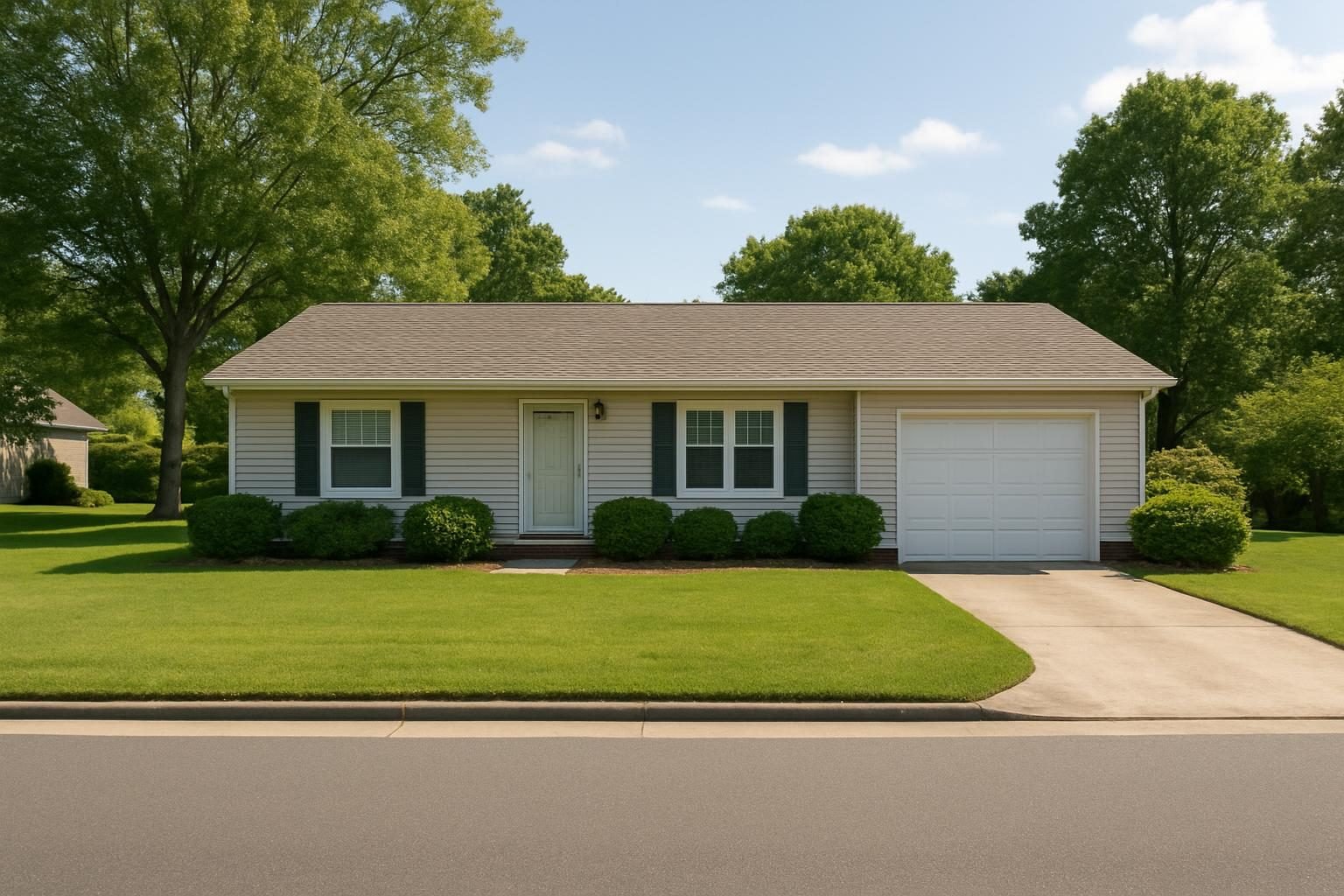
Housing is where New Bern earns its reputation as an affordable coastal town. Prices vary widely by neighborhood, so look at actual local listings and recent sales rather than any single average. If you have children, our guide to Craven County schools may help as you compare areas.
| Housing type | Typical range (estimate) | Notes |
|---|---|---|
| Starter home or townhome | Roughly $180,000 to $280,000 | Often in or near city limits, James City and Bridgeton |
| Mid-range single-family home | Roughly $280,000 to $450,000 | Trent Woods, River Bend and newer subdivisions |
| Historic district home | Roughly $350,000 to $800,000+ | Wide spread based on size, condition and renovation |
| Waterfront or water-access home | Roughly $500,000 to $1 million+ | Fairfield Harbour, River Bend, Brices Creek and the Neuse |
| Apartment or small rental (1-2 BR) | Roughly $900 to $1,500 per month | Newer complexes sit at the higher end |
| Rental house (3 BR) | Roughly $1,500 to $2,400 per month | Military demand keeps good rentals moving fast |
These are broad estimates, not quotes. Market conditions shift, so check current listings and talk with a local agent for up-to-date numbers.
If you want a neighborhood-by-neighborhood feel, our guide to the best neighborhoods in New Bern breaks down where different budgets tend to land.
Renting versus buying here
- Renting makes sense for a first year, a short assignment or if you want to learn the town before choosing a flood zone.
- Buying usually pencils out well for anyone staying three years or more, since many monthly payments compare favorably to rent, even after insurance.
In New Bern, the purchase price is only half the story; the insurance quote tells you what a house really costs.
Home and Flood Insurance
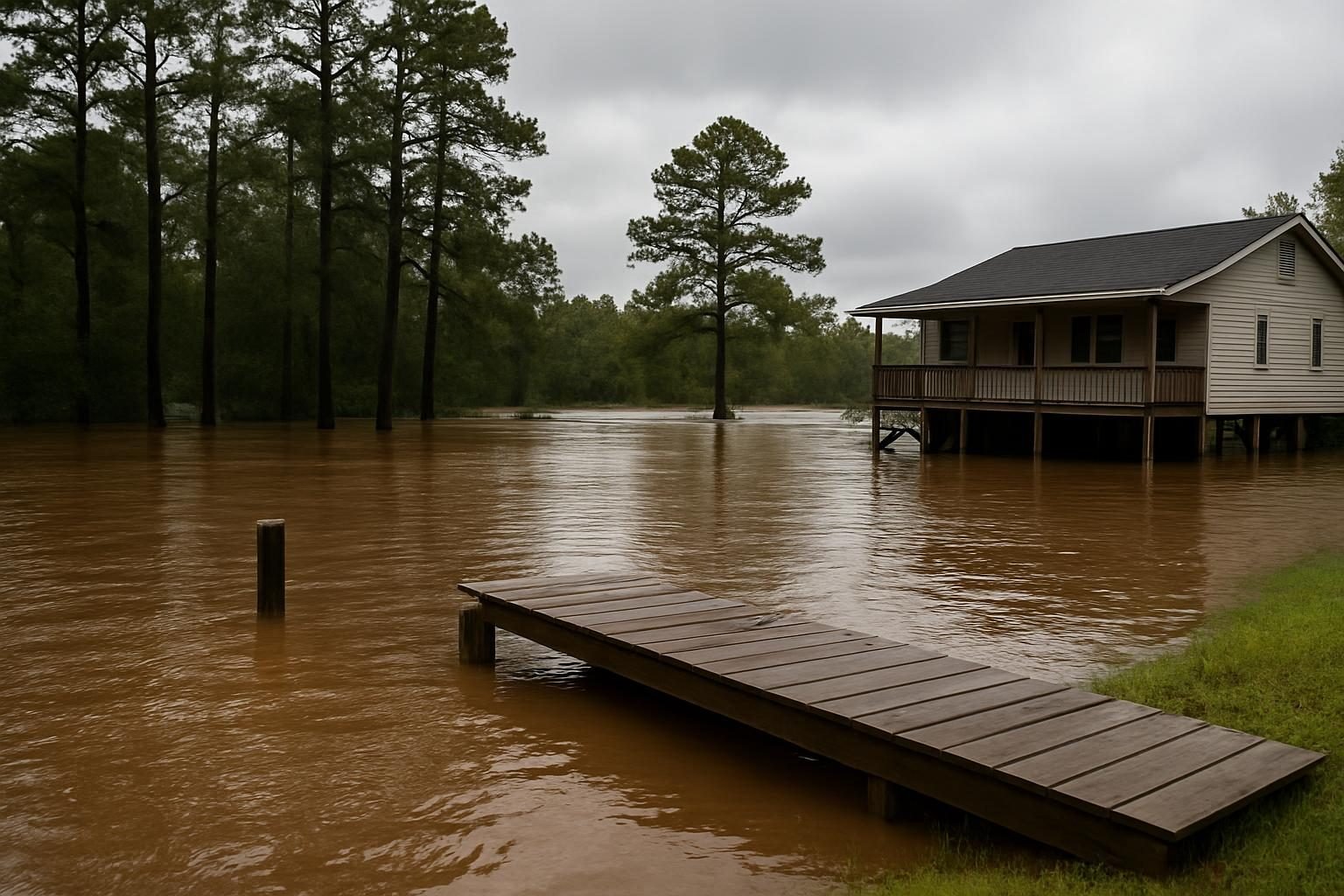
This is the line item that surprises newcomers most. New Bern sits where two rivers meet, and storm surge and heavy rain have flooded neighborhoods before, notably during Florence. Insurers and lenders take that history seriously.
Expect to look at three separate coverages:
- Homeowners insurance: covers fire, theft and most storm damage, but typically excludes flooding.
- Wind and hail coverage: in coastal areas this is sometimes a separate policy or deductible, often a percentage of the home’s value for named storms.
- Flood insurance: a separate policy, through FEMA’s National Flood Insurance Program or a private insurer.
| Coverage | Typical annual range (estimate) | What changes it |
|---|---|---|
| Homeowners | Roughly $1,500 to $4,000 | Roof age, construction, distance to water, deductible |
| Flood (outside high-risk zone) | Roughly $400 to $1,200 | Elevation, foundation type, coverage amount |
| Flood (high-risk zone) | Roughly $1,500 to $5,000+ | Required by most lenders; elevation certificate matters |
Treat these as ballpark figures. Your actual premium depends on the specific property, so get quotes before you make an offer, not after.
Local tip: Ask the seller for an elevation certificate and any past flood claims, then get insurance quotes during your due diligence period. A cheap house with a costly flood premium is not a bargain. You can read more about flood zones in New Bern before you shop.
You can look up flood risk for an address through FEMA’s map service at msc.fema.gov, and our hurricane season guide covers how storms have shaped what locals prepare for.
Utilities and Monthly Bills
Utilities are moderate, with one big seasonal swing: cooling. Humid summers push electric use up, while winters are mild enough that heating costs stay manageable.
| Bill | Typical monthly range (estimate) |
|---|---|
| Electricity | Roughly $120 to $300, higher in July and August |
| Water and sewer | Roughly $50 to $110 |
| Natural gas or propane (if used) | Roughly $20 to $90, varies by season |
| Internet | Roughly $55 to $100 |
| Trash and recycling | Often included in city services or a small separate fee |
| Mobile phone (per line) | Roughly $30 to $70 |
Rural parts of Craven County such as Vanceboro, Cove City and Dover may use well water and septic, which swaps a monthly water bill for maintenance costs. Providers vary by address, so confirm who serves a property before you sign.
Older homes tend to run higher on electricity. A well-maintained system helps, and many owners find that HVAC repair in New Bern is a line item worth planning for, since systems work hard here.
Humid river country means your air conditioner is not a luxury; it runs for half the year.
Property Taxes and Other Taxes
North Carolina taxes are comparatively gentle for many households, though the details depend on your situation. I will keep this general, since rates change.
- Property tax: Craven County sets a rate, and city residents of New Bern pay an additional municipal rate. Rates are applied to assessed value, so check the county tax office for current figures on any property.
- Vehicle tax: North Carolina collects property tax on vehicles, billed with your registration renewal.
- Sales tax: a combined state and local rate applies to most purchases. Groceries are treated differently from general goods, so check current rules with the NC Department of Revenue.
- State income tax: North Carolina uses a flat rate, which has been stepping down in recent years. Check the current rate with the state.
- Retirement and military income: treatment varies by source, so confirm with a tax professional.
Retirees weighing the whole picture may want our upcoming guide to retiring in New Bern.
Everyday Costs: Food, Gas, Healthcare and Fun
Daily expenses land near or slightly below the national average. Groceries, gas and dining out are unremarkable. Healthcare is convenient, with a hospital and medical offices clustered in the Carolina East area.
| Category | Typical estimate |
|---|---|
| Groceries (couple) | Roughly $600 to $900 per month |
| Dinner out (two people, casual) | Roughly $35 to $70 |
| Gas | Close to the state average; watch commuting mileage |
| Auto insurance | Roughly $90 to $200 per month, varies widely |
| Boat slip or storage | Highly variable; ask marinas for current rates |
Entertainment can be very cheap. Walking the historic district, sitting at Union Point Park and exploring the Croatan National Forest cost nothing, and our free things to do in New Bern list is a good place to start. If boating is part of the plan, budget separately; our boating guide for the Neuse and Trent explains what that lifestyle involves.
Hidden Costs of Living in Humid River Country
Some costs do not show up in a cost-of-living calculator but belong in your budget.
- Moisture and mildew: dehumidifiers, gutter care and crawlspace attention are routine.
- Roofs and storms: a roof and trees take a beating. Plan for roof replacement costs and tree work eventually.
- Older home upkeep: historic charm comes with plaster, wood and plumbing that need regular attention.
- Backup power: after outages, some owners price a generator or whole-house system.
- Pests: termites and mosquitoes are part of life in the coastal plain, so budget for treatment plans.
For a wider view of what to expect, see our guides on living in New Bern, living in Havelock and the full moving to New Bern guide. More planning help lives in our Moving & Living Here hub.
A Sample Monthly Budget
Here is an illustrative picture for a couple in a mid-range home. These are estimates only and will not match every household.
- Mortgage (principal and interest): roughly $1,500 to $2,300
- Property tax and insurance (escrow): roughly $350 to $800
- Utilities and internet: roughly $300 to $550
- Groceries: roughly $600 to $900
- Cars, fuel and insurance: roughly $500 to $1,000
- Dining, fun and miscellaneous: roughly $300 to $700
A single renter in an apartment could land well below this, while a waterfront owner with a flood policy and a boat could land well above it.
FAQ
Is New Bern, NC cheap to live in?
It is affordable compared with most coastal North Carolina towns and the national average, mainly thanks to housing. Insurance and summer electricity narrow the gap, so budget for both.
Do I need flood insurance in New Bern?
If your home is in a FEMA high-risk flood zone and has a mortgage, your lender will require it. Even outside those zones, many owners carry it because standard homeowners policies do not cover flooding.
How much do I need to earn to live comfortably in New Bern?
It depends on housing choice and household size. A common rule is keeping housing costs, including insurance and taxes, to roughly 30 percent of gross income, then testing that against local quotes.
Is Havelock cheaper than New Bern?
Often somewhat, especially for rentals and starter homes, though Cherry Point demand affects prices. Compare specific listings; see our Havelock guide for how the two towns differ.
What is the biggest hidden cost of living here?
For most homeowners it is insurance, followed by home maintenance in a humid, storm-prone climate. Get insurance quotes before you buy.