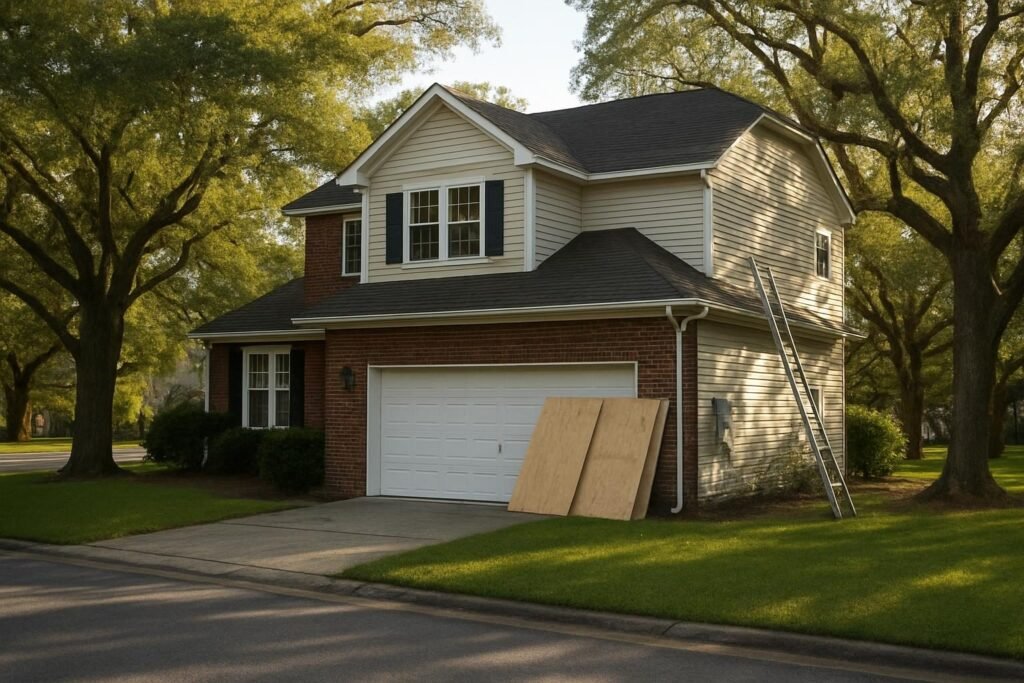
Quick answer: A solid hurricane prep checklist for a New Bern home covers six areas: roof and windows, gutters and drainage, yard and trees, generator safety, documents, and a plan for inspecting damage afterward. Do the heavy work in spring, before the season starts, and keep a short last-48-hours list for when a storm is actually approaching.
Key takeaways
- Do structural and drainage work before June; contractors and supplies vanish once a storm is named.
- In New Bern, water is the bigger threat than wind: the Neuse and Trent push storm surge and flooding well beyond the coast.
- Generators must run outdoors, away from windows and doors. Carbon monoxide kills more people after storms than the storms themselves do in many events.
- Photograph your home and scan your documents now, not the night before landfall.
- After the storm, document damage before you clean up or make repairs.
If you have lived here through Florence, you already know the pattern: the wind is bad, but the water is what ruins houses. Our broader guide, Hurricane Season in New Bern: Lessons From Florence and How to Prepare, covers the big picture. This article is the practical home checklist you can work through room by room and season by season.
If storm damage has already hit your house, you can request help with storm damage repair from a vetted local pro using the form on this page.
Know your risk before you start
Houses in Trent Woods, River Bend, Fairfield Harbour, Bridgeton and downtown New Bern face different problems than homes out toward Vanceboro, Cove City or Dover. Waterfront and low-lying lots worry about surge and rising rivers. Inland lots worry more about falling trees, power loss and creek flooding.
- Find your flood zone. Check your address on the NC Flood Risk Information System at fris.nc.gov, and read our upcoming guide on flood zones in New Bern.
- Know your evacuation zone. Craven County Emergency Services publishes zone information; confirm current details with the county.
- Check your insurance. Homeowners policies generally do not cover flood, and wind or hurricane deductibles are often a percentage of the home’s value. Flood policies typically carry a waiting period before they take effect, so do not wait for a forecast.
Roof and exterior checklist
Your roof is your first line of defense, and humid river country is hard on it. Algae, moss and heat age shingles faster than many people expect.
What to check each spring
- Missing, curled, cracked or lifting shingles, especially along ridges and edges where wind gets underneath.
- Flashing around chimneys, vents, skylights and roof-to-wall joints.
- Soft spots, sagging, or daylight visible from the attic.
- Fascia and soffit boards that are rotted or loose; wind enters through them and pressurizes the attic.
- Garage door condition. A failed garage door is one of the common ways wind gets inside a house.
If your roof is near the end of its life, replacing it before peak season is far easier than patching it during one. Our upcoming guide on roof replacement cost in New Bern will cover typical ranges. For now, get written estimates from licensed, insured contractors and verify licenses with the NC Licensing Board for General Contractors.
Windows, doors and openings
Broken glass lets wind and rain in, and interior pressure is what lifts roofs. Protect openings before the storm, not during it.
| Option | Best for | Trade-off |
|---|---|---|
| Impact-rated windows and doors | Long-term owners, new builds, renovations | Highest upfront cost; always ready |
| Permanent shutters (accordion, roll-down) | Waterfront and exposed homes | Cost and appearance; quick to deploy |
| Pre-cut plywood panels | Budget-conscious homeowners | Heavy, needs storage and anchors installed in advance |
| Tape on glass | Nobody | Does not prevent breakage; skip it |
If you go with plywood, measure and label each panel now and drill and install anchors in advance. Doing this the day before a storm with a line at the hardware store is miserable. Check the weatherstripping and seals on exterior doors too; wind-driven rain finds every gap.
In New Bern, the storm that ruins a house is usually the water, not the wind.
Gutters, drainage and sump pumps
Our flat terrain and high water table mean water has few places to go. Drainage work is cheap compared with flood repair.
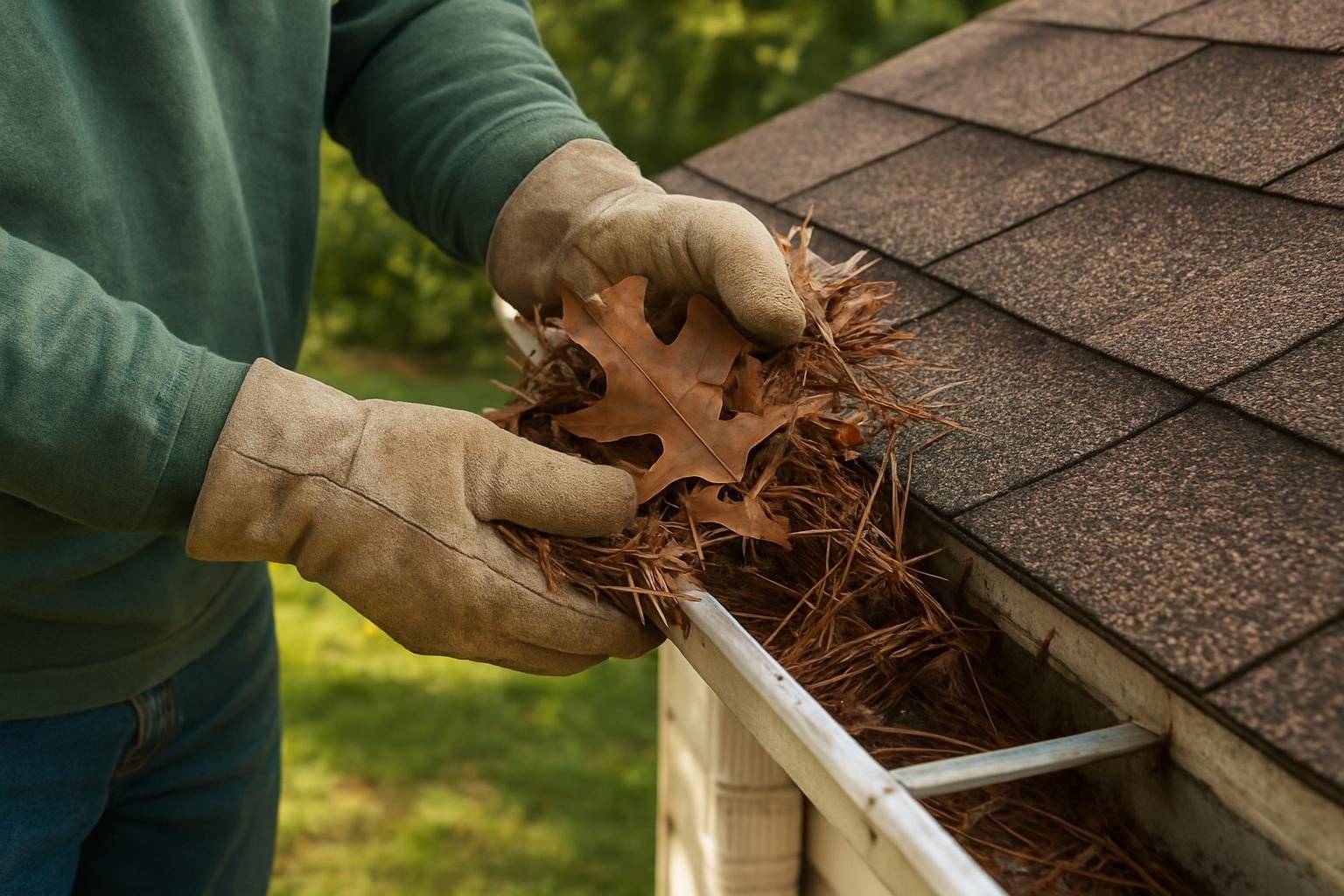
- Clean gutters and downspouts in late spring and again before peak season (August through October). Oak and pine debris clogs them quickly.
- Extend downspouts several feet from the foundation so roof water does not pool at the house.
- Regrade low spots. Soil should slope away from the foundation. Fill depressions near the slab or crawl space.
- Test your sump pump. Pour a bucket of water into the pit and confirm the pump kicks on and discharges away from the house. Consider a battery backup, since power often fails when you need the pump most.
- Clear storm drains and ditches in front of your property when it is safe and allowed. Debris in street inlets sends water toward your yard.
- Check crawl space vents, vapor barriers and drainage. Our upcoming guide on crawl space moisture in eastern NC goes deeper on this.
Local tip: Move anything valuable off the floor of garages, sheds and ground-level storage rooms before storm season. After Florence, many families lost items simply because they were stored four inches off the slab.
Yard, trees and outdoor items
Loblolly pines and big live oaks are part of what makes this area beautiful, and they are also what come through roofs. Have a certified arborist assess any tree that leans toward the house, has dead limbs, or shows fungus at the base. See our upcoming piece on tree removal in New Bern for what to expect.
- Trim dead limbs and branches overhanging the roof well before the season.
- Secure or store patio furniture, grills, trampolines, trash cans and potted plants.
- Pull boats, kayaks and jet skis according to your marina or dock plan. See our guide to boating on the Neuse and Trent Rivers for context on local waterways.
- Fuel up vehicles and fill a few gas cans (stored safely, outside living space) well before evacuation traffic builds on US-70, US-17 and NC-43.
Generator safety
Portable generators are useful and dangerous. Carbon monoxide poisoning and electrocution are real risks every storm season.
- Run it outdoors only. Never in a garage, carport, basement, crawl space or screened porch, even with the door open.
- Keep it at least 20 feet from the house with the exhaust pointed away from windows, doors and vents.
- Install battery-powered CO alarms inside the home.
- Never backfeed power through a wall outlet. It can electrocute utility workers. Use a properly installed transfer switch.
- Let it cool before refueling, and store fuel in approved containers away from living areas.
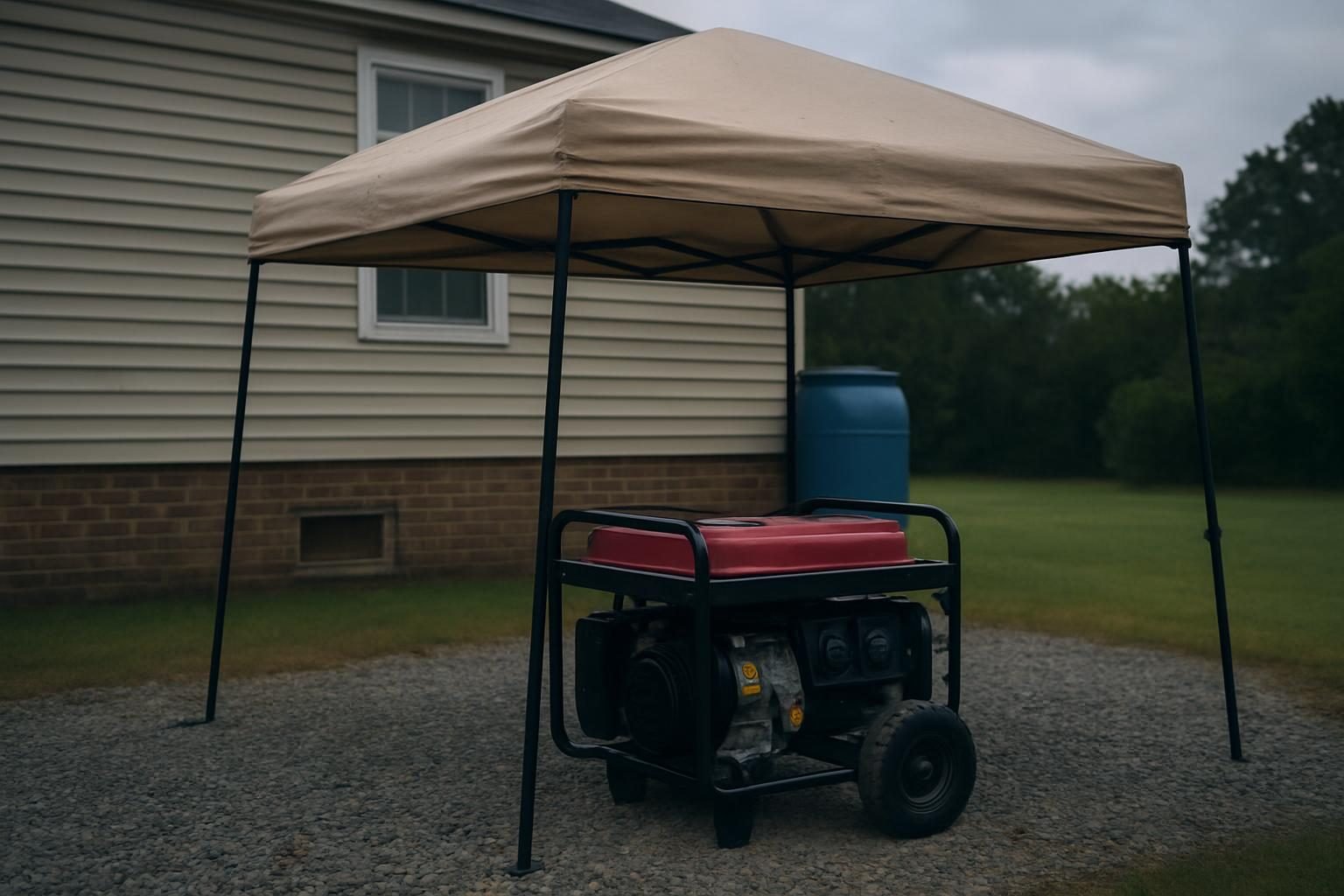
- Keep it dry. Use a generator tent or canopy designed for that purpose, not an improvised shelter.
If you are weighing a permanent system, see our upcoming guide to a whole house generator in New Bern. For safety guidance, the National Weather Service and NOAA publish hurricane preparedness resources at weather.gov/safety/hurricane.
A generator belongs outside, 20 feet from the house, every single time, with no exceptions.
Documents and supplies
Put everything in one waterproof bag or box, and keep digital copies somewhere off-site.
Documents
- Homeowners and flood insurance policies, with agent contact information
- Deed, mortgage paperwork and recent tax bill
- Photo ID, Social Security cards, passports, birth certificates
- Vehicle titles and registrations
- Medication list, prescriptions and medical records
- Military families: orders, ID cards and any Cherry Point or base emergency contact information
- A home inventory: walk through with your phone and video every room, closet and garage shelf, and note serial numbers on major items
Supplies for a week or more
- Water (a gallon per person per day) and non-perishable food
- Flashlights, batteries, a hand-crank or battery radio, power banks
- First aid kit, prescriptions, pet food and supplies
- Cash in small bills, since card systems often go down
- Tarps, work gloves, a basic toolkit, and a camera or phone for damage records
Last 48 hours before landfall
- Follow official guidance from Craven County and the National Hurricane Center on whether to evacuate.
- Install shutters or plywood and bring in loose outdoor items.
- Charge phones and devices, and set refrigerators and freezers to their coldest settings.
- Turn off propane at the tank if advised; know where your main water and electrical shutoffs are.
- Fill bathtubs and large containers with water for flushing.
- Move vehicles to higher ground and photograph your home inside and out.
After the storm: inspection and repair
Safety first. Do not enter if you smell gas, see structural damage, or find standing water near electrical panels. Avoid downed lines, and treat floodwater as contaminated.
Your walk-through order
- Document everything with photos and video before moving or cleaning anything.
- Check the exterior: roof, flashing, siding, windows, doors, fascia, chimney and any trees on the structure.
- Check the attic for daylight or water stains, which signal roof breaches.
- Inspect interior walls and ceilings for water marks, bulges and mold odor.
- Inspect the crawl space or slab edge for standing water and wet insulation.
- Contact your insurer promptly and keep receipts for emergency repairs like tarps.
Wet materials can grow mold within a day or two in our humidity, so drying quickly matters. See our upcoming after-flood home checklist and guide to water damage restoration in New Bern for next steps.
Hiring help safely
- Be wary of door-knockers and out-of-state crews who ask for large upfront payments.
- Verify contractor licenses and insurance, and get written estimates and contracts.
- Never sign over an insurance claim or payment without understanding the terms.
If you need roofing, drying, drywall or structural repair, you can request storm damage repair from a vetted local pro using the form on this page. For more home upkeep topics, see the Home & Property hub, and browse Local Pros for other trades.
Planning for the long term
If you are new to the area, read Cost of Living in New Bern for how insurance affects housing budgets, and New Bern Weather by Month for when the season peaks. Older houses need extra attention; see older home maintenance in New Bern for what historic-district owners face.
FAQ
When should I start hurricane prep in New Bern?
Do structural and drainage work in spring, before the Atlantic season begins on June 1. Peak activity usually runs from mid-August through October, so finish big projects well before then.
Does homeowners insurance cover flood damage?
Generally no. Flood coverage is typically a separate policy, often through the National Flood Insurance Program or a private carrier, and usually has a waiting period. Ask your agent for specifics on your policy.
Is it safe to run a generator in my garage?
No. Never run a generator in a garage, carport, basement or crawl space, even with doors open. Place it outdoors, at least 20 feet from the house, with exhaust pointed away from openings.
What should I do first after the storm?
Make sure everyone is safe, avoid downed lines and floodwater, then photograph all damage before cleaning up. Call your insurer, make temporary repairs to prevent further damage, and keep receipts.
How do I find a trustworthy contractor after a storm?
Verify license and insurance, get written estimates, and avoid paying large sums upfront. Be cautious with unsolicited offers, and check with the NC Licensing Board for General Contractors.
Need storm damage repair in New Bern or Craven County?
Tell us what happened and a vetted local pro will follow up to schedule an assessment and estimate.