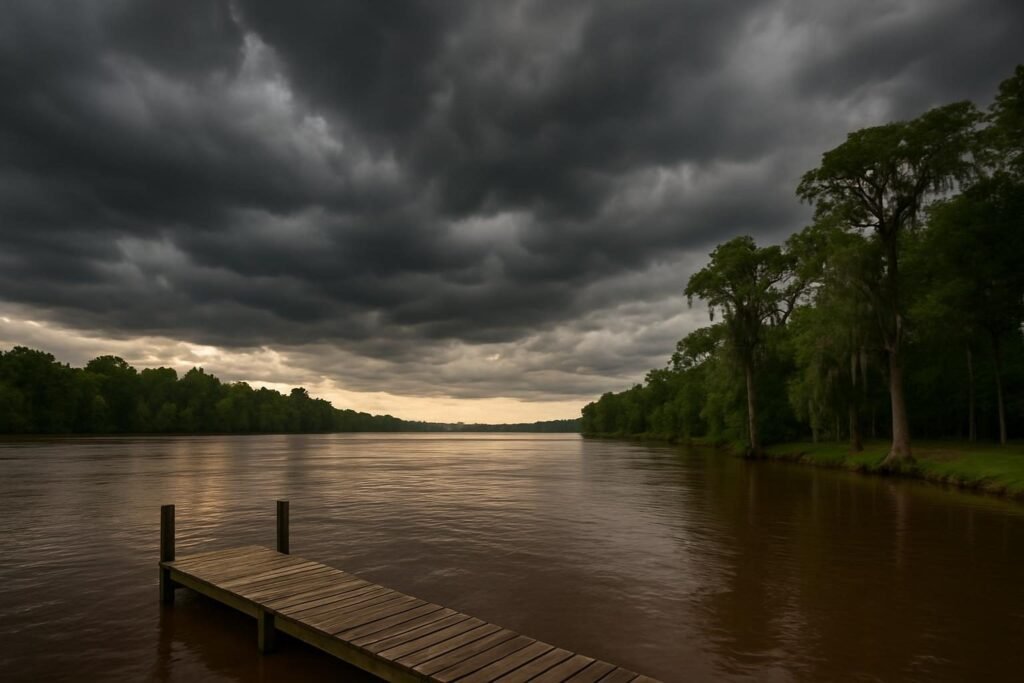
Quick answer: Hurricane season in New Bern runs June 1 to November 30, with the greatest risk from mid-August through October. The main threat here is not wind but water: storm surge pushed up the Neuse and Trent rivers, plus heavy rain that keeps rivers high for days. Make a plan in May, know your flood zone, and decide early whether you will leave.
Key takeaways
- New Bern floods from the rivers, not just the coast. Surge travels upriver and can reach homes far from open water.
- Florence (2018) taught locals that rain, rising rivers and road closures can trap people for days after the wind dies down.
- Standard homeowners insurance does not cover flood. Flood policies usually carry a waiting period, so buy before a storm is forecast.
- Build supplies and a document file before June, not when the grocery shelves are empty.
- Follow Craven County Emergency Management for evacuation orders, and leave early if you are told to.
When Hurricane Season Hits New Bern
The Atlantic season officially runs June 1 through November 30. Early-season storms do happen, but the busy stretch for eastern North Carolina is usually late summer into early fall. If you are new to the area, our guide to New Bern weather by month shows how the seasons stack up.
Here is a rough way to think about the calendar:
- June to July: Lower risk, but a good time to prep while stores are stocked and contractors have openings.
- August to September: The peak window. Watch forecasts every day.
- October to November: Late storms still strike the Carolinas. Do not relax until the season ends.
Why New Bern Floods: Surge, Rivers and Rain
New Bern sits where the Neuse and Trent rivers meet, and the Neuse widens into a broad estuary on its way to Pamlico Sound. When a hurricane approaches, winds can push ocean water up that estuary and into the rivers. The water has nowhere to go but up the banks.
Three things can combine here:
- Storm surge: Wind-driven water pushed inland from Pamlico Sound and up the Neuse and Trent.
- Heavy rainfall: Slow-moving storms can drop large amounts of rain across the whole watershed.
- River flooding: Rain falling upstream keeps the rivers swollen after the storm passes, so flooding can last well beyond the event itself.
Low-lying areas along the water, including parts of downtown, Brices Creek, River Bend and Fairfield Harbour, deserve the most attention. Inland areas like Vanceboro, Cove City and Dover face their own risks from creek and river flooding and downed trees. Check your exact address rather than guessing by neighborhood. We are building out a guide on flood zones in New Bern, and the official FEMA flood map is the place to confirm your property.
In New Bern the wind gets the headlines, but the water does most of the damage.
What Florence Taught Us
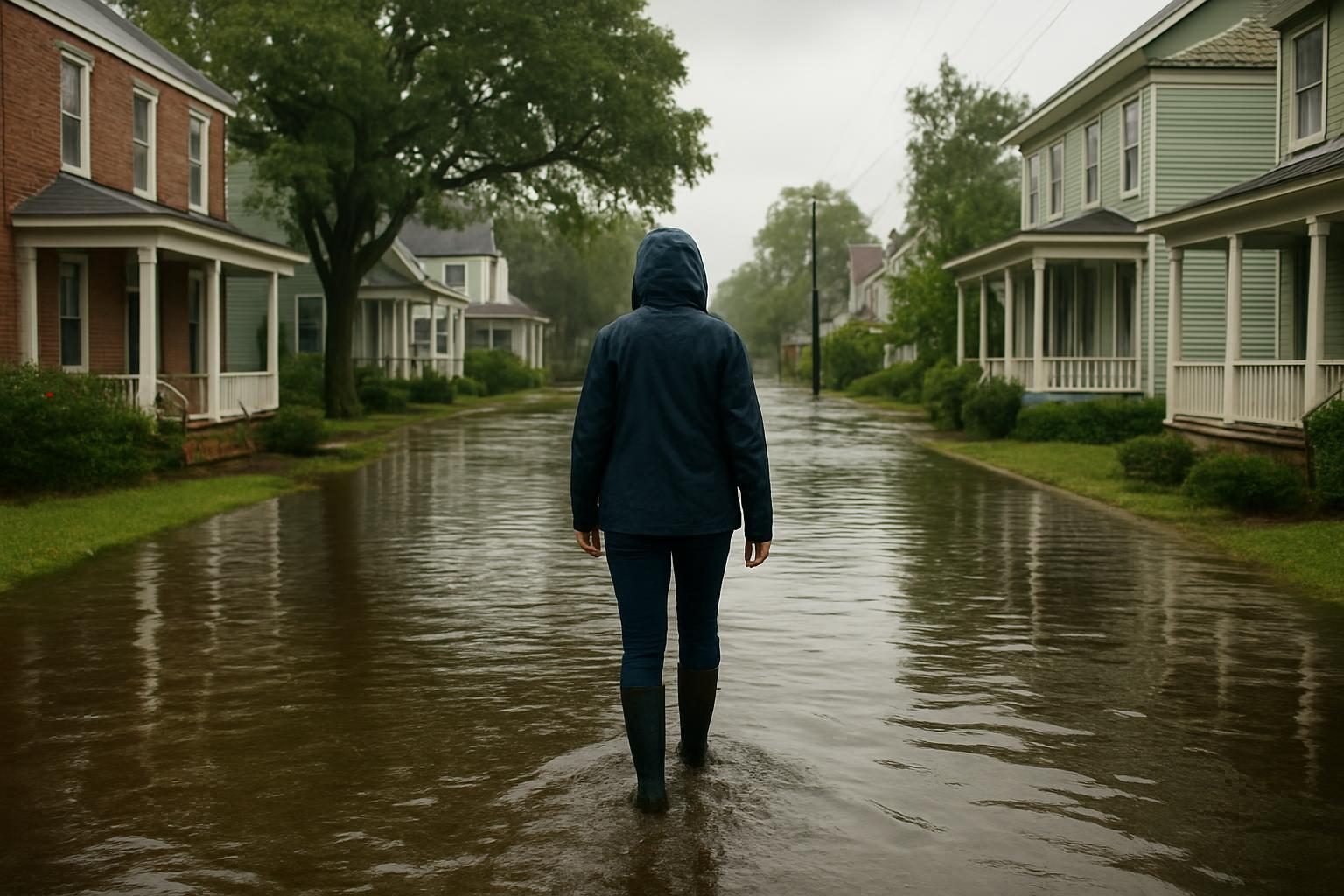
Hurricane Florence in September 2018 changed how many people here think about storms. It was not the wind that stood out. It was the flooding, the number of homes affected and how long recovery took. Many residents had never seen water reach their streets before.
The lessons locals tend to repeat:
- Do not rely on past storms. If your home stayed dry in a previous hurricane, that does not guarantee it will next time.
- Leave earlier than you think. Roads can close and rescue becomes difficult once water rises.
- Recovery is long. Dry-out, mold control, repairs and insurance claims can take months. Plan finances and housing for that.
- Neighbors matter. Know who on your street is elderly, alone or lacks transportation.
- Documentation pays. Photos and records made your claim faster and easier.
If you want the bigger picture of how this town has lived with the water for centuries, read a short history of New Bern. Storms and floods are part of the story here.
Evacuation: Know Before You Need To
Evacuation decisions come from local officials, and orders can differ by area. Your single best source is Craven County Emergency Management. Check the county website and sign up for any emergency alert system it offers. The NC Emergency Management site and the National Weather Service are also reliable.
Settle these questions in advance:
- Where will you go? Pick a destination inland, with friends, family or a hotel. Book early when a storm is forecast.
- What route will you take? Highways such as US-70, US-17 and NC-43 can back up quickly. Have a backup route.
- What about pets? Many shelters and hotels have restrictions. Confirm pet policies ahead of time.
- Who needs help? If someone in your household needs medical equipment or special transport, register with the county in advance if a program exists.
- When will you go? Set a trigger, such as a watch or warning for your area, so you are not debating it at the last minute.
Military families have an extra layer. If you are connected to MCAS Cherry Point, follow base guidance and your command’s instructions in addition to county orders. Our guide to living in Havelock covers life next to the base.
The best evacuation plan is the one you made in May, not the one you improvise on a Wednesday night.
Supplies to Have Ready
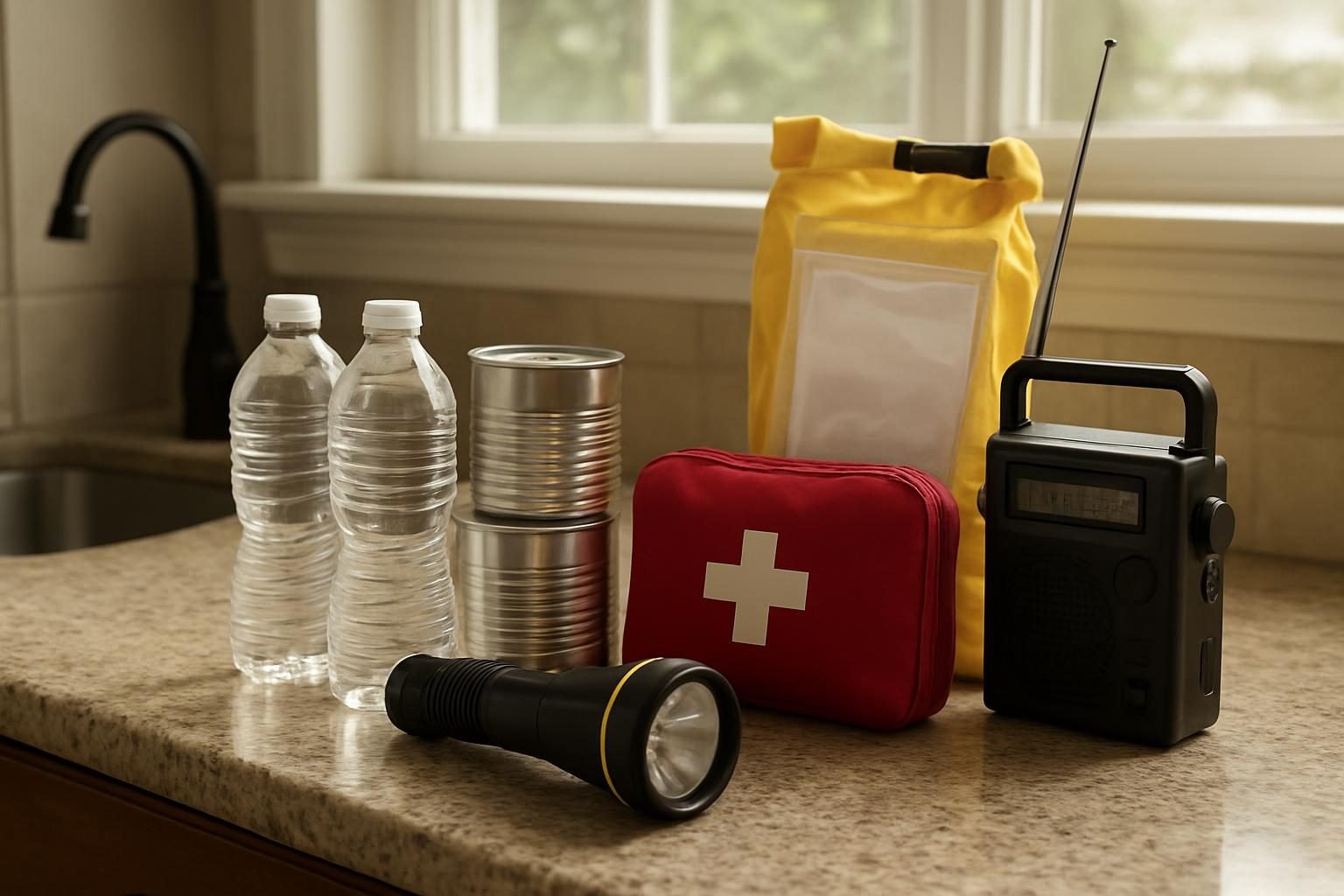
Aim for at least a week of supplies. After a big storm, power can be out for days and stores may be closed or empty. We are putting together a fuller hurricane prep checklist for your New Bern home, but here is the core list.
| Category | What to have |
|---|---|
| Water and food | Water for drinking and sanitation, non-perishable food, a manual can opener, baby food or formula if needed |
| Power and light | Flashlights, extra batteries, portable phone chargers, a battery or hand-crank radio |
| Health | Prescriptions (a few weeks if possible), first aid kit, glasses, hygiene items |
| Home protection | Tarps, plywood or shutters, plastic sheeting, duct tape, work gloves |
| Documents and cash | Copies of IDs, insurance papers and deeds in a waterproof bag, plus cash in small bills |
| Pets | Food, water, carrier, leash, vaccination records |
Fill your vehicle’s gas tank early. Fuel can run short quickly, and gas stations rely on power.
Local tip: If you have a boat, plan for it separately. Marinas often set deadlines for hauling or securing vessels, and those fill fast. Our boating guide for the Neuse and Trent has background on local waters, and your marina or insurer can tell you their storm requirements.
Preparing Your Home and Yard
River country is humid and tree-heavy, so storm prep often starts with the yard and the roof.
- Trees: Dead limbs and leaning trees are a common cause of damage. Have questionable trees looked at in spring, not after a watch is issued. See our upcoming guide on tree removal in New Bern.
- Roof and gutters: Check for loose shingles and clear gutters so water drains away from the house.
- Outdoor items: Secure or store patio furniture, grills, trash cans and boat trailers.
- Sump pump and drainage: Test them if you have them, and make sure water runs away from the foundation.
- Generator safety: Run portable generators outdoors, well away from windows. Never use them in a garage. For permanent options, see our planned piece on a whole house generator in New Bern.
Older homes in the historic district have their own quirks. Our guide to New Bern’s historic district shows what many of these houses look like, and a future article on older home maintenance in New Bern will cover upkeep.
Insurance and Documents
Paperwork is the part people skip and later wish they had not.
Know what you have. Standard homeowners policies typically do not cover flood damage. Flood coverage is a separate policy, often through the National Flood Insurance Program or a private insurer. These policies commonly have a waiting period before they take effect, so you cannot buy one when a storm is already in the Atlantic. Talk to an independent insurance agent about your options and check for separate wind or hurricane deductibles, which are common on the coast.
Build a document file:
- Insurance policies, agent contact information and claim numbers.
- Photos or video of every room, plus the exterior, taken before the season.
- A home inventory listing major items, with receipts or serial numbers where possible.
- Mortgage, deed, vehicle titles and medical records.
- Keep digital copies in cloud storage and a paper set in a waterproof bag.
After the Storm: Steps to Take
Safety comes first, then documentation, then repairs.
- Wait for the all-clear. Do not return until officials say it is safe. Floodwater can hide hazards and may be contaminated.
- Watch for electrical and gas risks. Stay away from downed lines and standing water near outlets. If you smell gas, leave and call for help.
- Photograph everything before you move or clean anything.
- Contact your insurer promptly and keep a log of calls, names and dates.
- Prevent further damage. Tarp the roof and remove wet items, but keep receipts for temporary repairs.
- Start dry-out quickly. Moisture and humidity encourage mold fast here. See our upcoming guide on water damage restoration in New Bern.
- Hire carefully. Storms attract out-of-area contractors and scammers. Check licenses, get written estimates and never pay the full amount upfront.
Check on neighbors, especially older residents. Our guide to living in New Bern describes how close-knit many neighborhoods are, and that matters most in the days after a storm.
For official forecasts and storm information, the National Hurricane Center at nhc.noaa.gov is the authority. For broader seasonal planning, browse our events and seasons hub, and for upkeep advice see the home and property hub.
FAQ
When is hurricane season in New Bern?
The official season runs June 1 to November 30. The highest risk in eastern North Carolina usually falls from mid-August through October.
Is New Bern in a flood zone?
Parts of New Bern and Craven County are, especially near the Neuse and Trent rivers and their creeks. Flood risk varies by address, so check the FEMA flood map and ask your insurance agent.
Does homeowners insurance cover hurricane flooding?
Usually not. Standard policies generally exclude flood, which requires a separate policy, and flood policies often have a waiting period. Confirm details with your agent.
Where do I find evacuation orders for Craven County?
Check Craven County Emergency Management, NC Emergency Management and local news. Sign up for official alerts so you receive orders directly.
How much should I stock up before a storm?
Aim for at least a week of water, food, medicine and essentials. Start gathering supplies before the season begins so you are not competing with everyone else.