Quick answer: Moving to New Bern, NC means trading big-city pace for a historic river town of roughly 30,000 people, with a walkable downtown, boating at your doorstep and housing that costs less than most coastal markets. The tradeoffs are real: hurricane and flood risk, humid summers, older homes that need steady upkeep and a job market built around healthcare, the military and small business.
Key takeaways
- Where you live (historic district, suburbs or the county) shapes your commute, your flood risk and your budget more than anything else.
- Check the flood zone and elevation of any property before you fall in love with it.
- Cherry Point is the region’s largest employer, and Havelock is about a 25 to 30 minute drive up US-70.
- Older homes are charming and demanding; budget for humidity, roofs and HVAC.
- Use your first 30 days to handle logistics first, then explore.
Why people choose New Bern
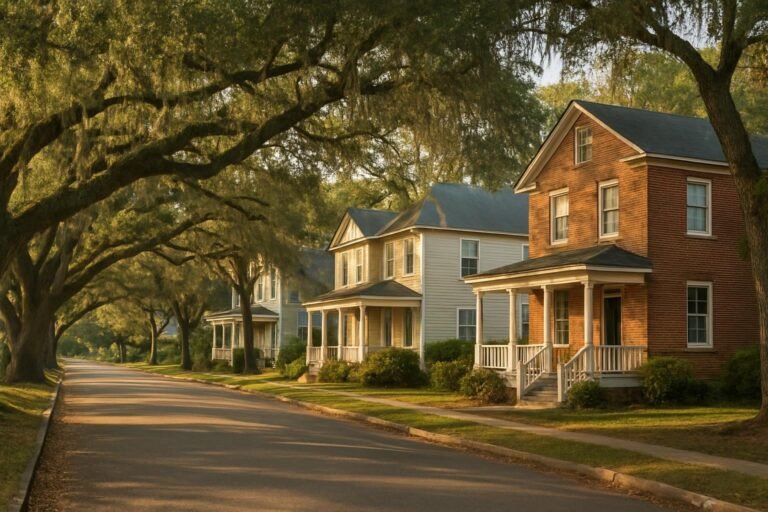
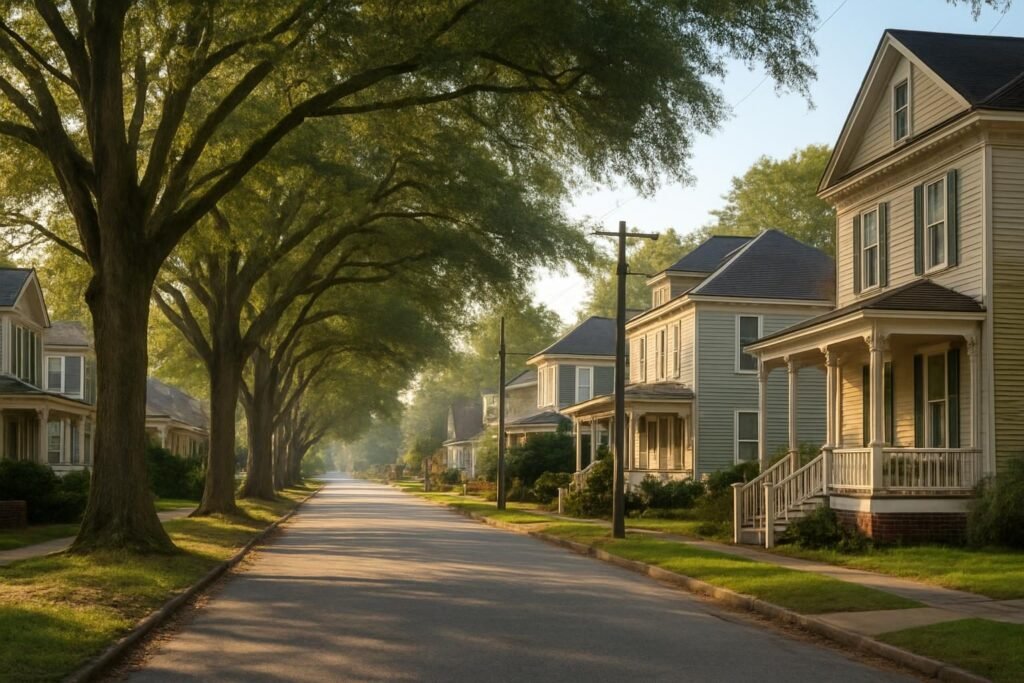
New Bern is one of North Carolina’s oldest towns, founded in 1710 at the meeting of the Neuse and Trent rivers. You get a real downtown, a preserved historic district, Tryon Palace, and water in almost every direction. For the full backstory, see our short history of New Bern.
The draw is usually a mix of the following:
- Water access: boating, fishing and river views without Outer Banks prices.
- Small-town scale: you will run into neighbors at the grocery store and downtown festivals.
- Mild winters: short, rarely severe, with a long growing season.
- Reasonable housing: especially compared with the Wilmington area or the Outer Banks.
The downsides are worth stating plainly. Summers are hot and sticky, storms are a fact of life, and anything beyond everyday shopping often means a drive to Greenville, Jacksonville or Raleigh. Our month-by-month weather guide shows what to expect.
Neighborhoods: where to live
Craven County offers very different settings within a short drive. This table is a starting point; our best neighborhoods guide goes deeper, and the Towns & Neighborhoods hub covers the wider county.
| Area | Feel | Good for |
|---|---|---|
| Downtown and historic district | Walkable, older homes, restaurants nearby | People who want character and don’t mind upkeep |
| Trent Woods | Quiet, wooded, residential | Families and retirees who want space near town |
| River Bend | Golf and boating community across the Trent | Boaters and retirees |
| Fairfield Harbour | Planned waterfront community | Retirees, boat owners, canal-front living |
| James City and Bridgeton | Close-in, more affordable, mixed housing | Budget-minded buyers near downtown |
| Havelock | Military town beside Cherry Point | Active-duty and civilian base workers |
| Vanceboro, Cove City, Dover | Rural, larger lots, longer drives | People who want land and quiet |
We have dedicated guides for Trent Woods, River Bend and Fairfield Harbour if you are narrowing down. For a broad overview, start with living in New Bern.
Where you live here decides your commute, your flood risk and your budget more than the house itself.
Housing and cost of living
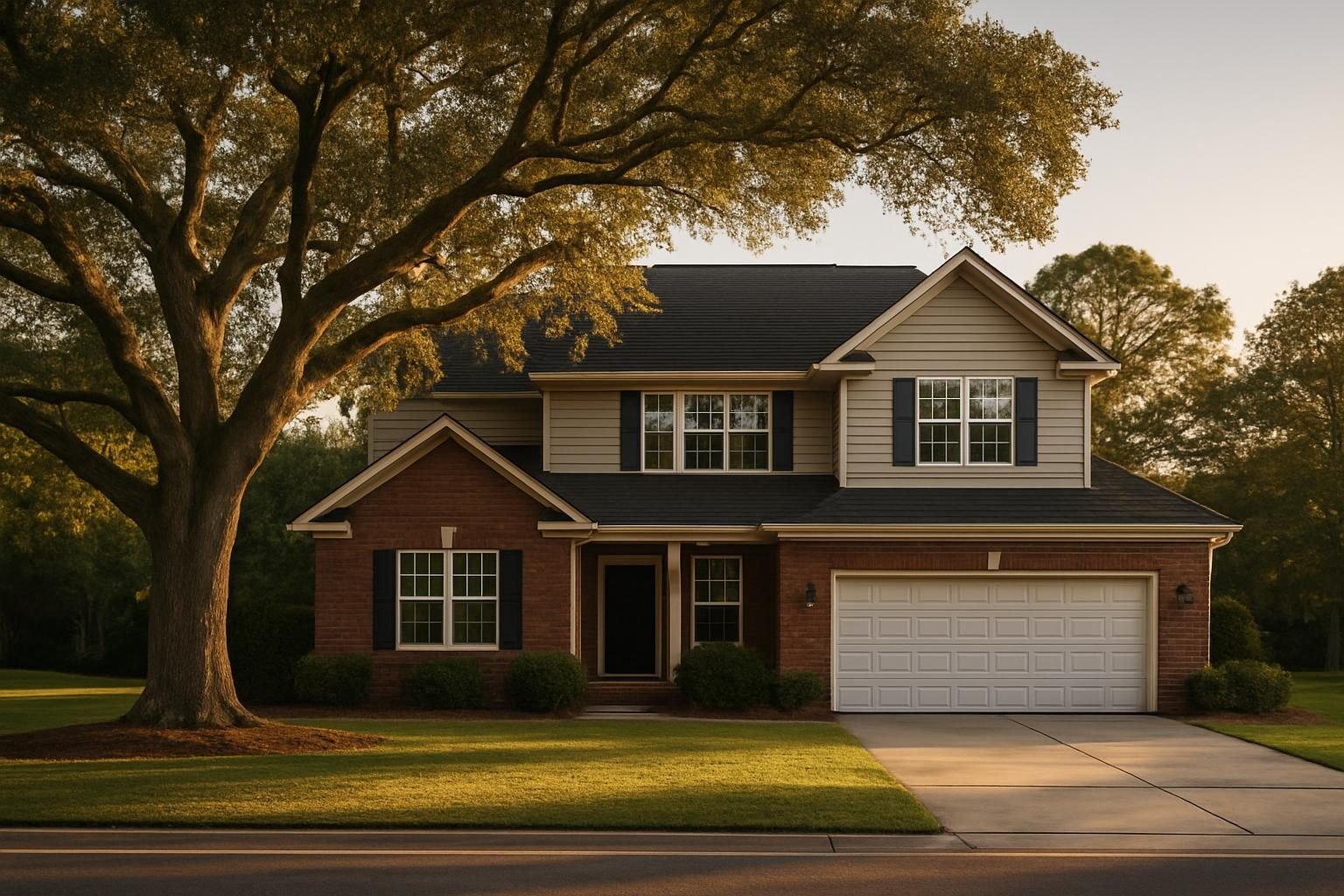
Housing is the biggest line in your budget, and it varies widely by neighborhood, waterfront access and age of the home. Prices move with the market, so check current listings and talk to a local agent rather than relying on any single figure. Our cost of living guide will cover this in more detail.
Here is how the main housing categories generally compare:
- Historic district homes: premium prices for age and location, plus higher maintenance.
- Waterfront and canal-front: the most expensive per square foot, with flood insurance as a major factor.
- Newer suburban subdivisions: more space for the money, easier upkeep.
- Rural lots in outlying towns: the most land per dollar, with longer drives to services.
Beyond the mortgage or rent, plan for these recurring costs, which commonly run higher near the water:
- Homeowners and wind coverage: coastal policies often carry separate hurricane or wind deductibles.
- Flood insurance: required by lenders in high-risk zones and wise even where it isn’t.
- Cooling costs: summer electric bills can climb quickly.
- Maintenance: humidity is hard on roofs, siding, decks and HVAC systems.
Local tip: Get insurance quotes before you make an offer, not after. Premiums can differ dramatically between two houses a few blocks apart.
Flood zones and storms
This is the topic every newcomer should take seriously. New Bern sits where two tidal rivers meet, and storm surge and heavy rain have flooded parts of the area before, most memorably during Hurricane Florence in 2018. Low-lying streets near the water are the most exposed, but risk varies block by block.
Before buying or renting, work through this checklist:
- Look up the property on FEMA’s flood map service and ask about its elevation certificate.
- Ask the seller or landlord about past water intrusion, including in crawlspaces and garages.
- Get a flood insurance quote alongside your homeowners quote.
- Check where the nearest evacuation route is and how it handles traffic.
We are building a dedicated flood zones guide, and our hurricane season guide covers lessons from Florence and how to prepare. FEMA’s Flood Map Service Center is the official place to check a specific address.
Jobs, Cherry Point and the economy
MCAS Cherry Point is the anchor of the regional economy, and many New Bern residents commute to the base or work for contractors that support it. Healthcare, local government, education, tourism, hospitality and small trades round out the picture. Remote workers do well here too, provided you confirm internet options at your specific address.
If you are military or a base civilian, keep these points in mind:
- Commute: the drive from New Bern to the base along US-70 is manageable but can back up at peak times and when there are accidents.
- Havelock vs. New Bern: Havelock is closer to the gate; New Bern offers more variety in housing and dining. Read our guide to living in Havelock to compare.
- PCS timing: rental inventory and good listings move quickly in summer, so start early. A full Cherry Point PCS guide is on the way.
For base-specific details such as housing, benefits and relocation help, always check with the official installation resources.
New Bern works best if you have a plan for the commute, the insurance and the first big storm.
Schools and healthcare
Public schools are run by Craven County Schools, and assignment depends on your address. Do not rely on a general reputation; look up the zoned schools for any home you are considering, visit if you can, and review the state’s official school report cards. Private and charter options exist as well, and some families also look at schools in neighboring districts. We plan to cover Craven County schools in a separate guide.
On healthcare, the Carolina East medical area is the main hub, with a hospital, specialists and many practices clustered together. For complex or specialized care, many residents travel to Greenville or further. Military families can use TRICARE-network providers and base resources, so confirm which providers accept your coverage.
Questions to settle early:
- Which primary care practices are accepting new patients?
- Are your regular specialists local, or will you drive to Greenville or Raleigh?
- Where is the nearest urgent care to your home?
Maintaining a home in river country
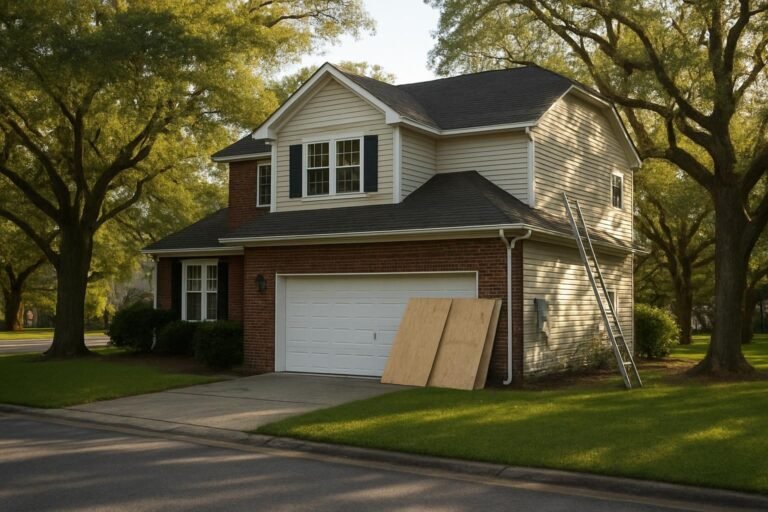
Humidity, salt-tinged air, heavy rain and summer heat are hard on houses. Older homes, especially downtown, add their own quirks: settling, aging plumbing, original windows and wood that needs regular attention.
New owners should budget time and money for:
- Roof and gutters: check after every major storm.
- HVAC: service it yearly; systems work hard here.
- Moisture control: crawlspaces, attics and bathrooms are common trouble spots.
- Trees: large oaks and pines look great and can cause damage in high winds.
Our upcoming pieces on older home maintenance and a hurricane prep checklist for your home will help, and the Home & Property hub collects related guides.
Your first 30 days
Do the practical things first, then give yourself permission to enjoy the place. A sensible order:
- Week 1: set up utilities and internet, confirm your insurance, and find your flood and evacuation information.
- Week 1 to 2: update your driver’s license and vehicle registration with the NC DMV, and register to vote.
- Week 2: register children for school and find a primary care provider.
- Week 3: locate a trusted HVAC company, plumber and roofer before you need one.
- Week 4: start exploring.
For the fun part, begin with a walk through the historic district, try dinner downtown from our restaurant guide, and put MumFest on your fall calendar. Get on the water with our boating guide, and explore the Croatan National Forest for trails and paddling. More ideas live in the Moving & Living Here hub.
FAQ
Is New Bern, NC a good place to live?
For many people, yes. It offers a historic downtown, river access and a slower pace at lower prices than most coastal markets. The tradeoffs are storm and flood risk, hot humid summers and a smaller job market.
How far is New Bern from Cherry Point?
It is roughly a 25 to 30 minute drive to MCAS Cherry Point along US-70, depending on traffic and which gate you use. Check current conditions before planning a daily commute.
Is New Bern in a flood zone?
Parts of it are. Risk depends on the specific property, especially near the Neuse and Trent rivers and creeks. Check FEMA’s flood maps and get an insurance quote before you buy.
What is the best area to live in near New Bern?
It depends on your priorities. Downtown suits people who want walkability and history, Trent Woods and River Bend suit those wanting quieter residential settings, and Havelock suits base workers.
Is it expensive to live in New Bern?
Generally less than most coastal North Carolina towns, though insurance and home maintenance can add to costs. Compare actual listings and insurance quotes rather than relying on averages.