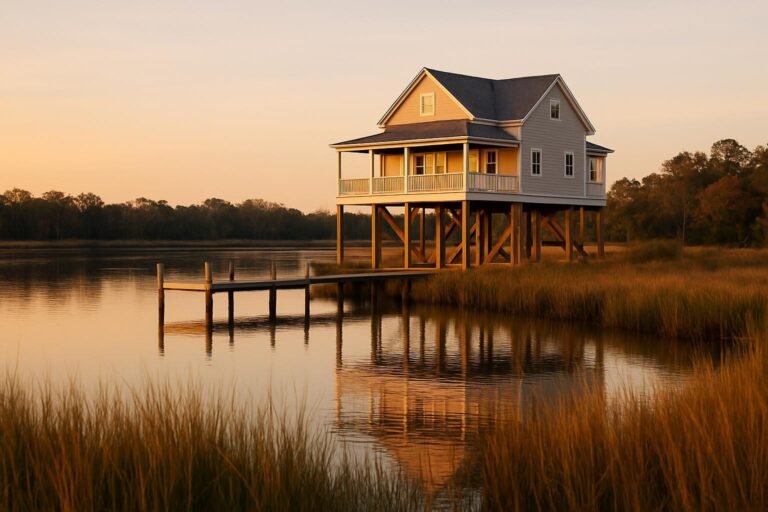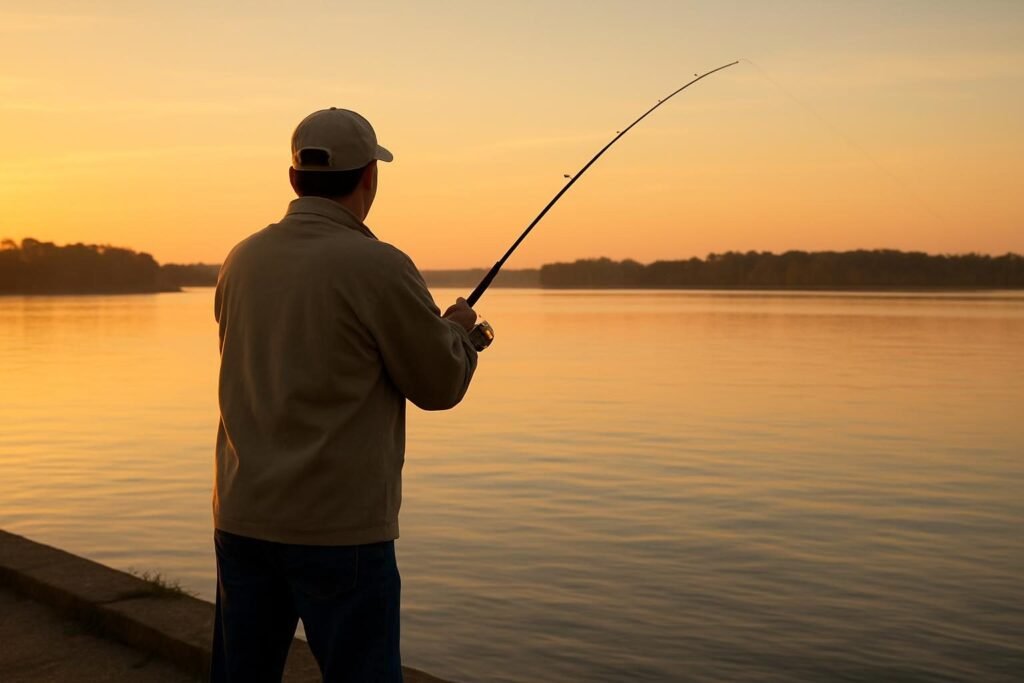
Quick answer: Fishing the Neuse River near New Bern is a year-round game that shifts with the seasons: striped bass in the cooler months, speckled trout and red drum as the water moves through spring and fall, and a mix of bass, catfish and panfish in the fresher water upriver. You can fish from public piers and parks without a boat, but a small boat opens up far more water. Anyone fishing in coastal waters needs the proper North Carolina license, so check current rules before you go.
Key takeaways
- The Neuse around New Bern is a tidal, brackish-to-fresh river, so what bites depends heavily on rain, wind and season.
- Striper, red drum and speckled trout are the headline species, and each has its own window and its own regulations.
- Bank anglers have real options at public parks and piers; boat anglers get more range and more shade-line structure.
- Rules, size limits and license requirements change, so confirm them with the NC Division of Marine Fisheries before every season.
Why the Neuse Fishes the Way It Does
The Neuse is wide, slow and shaped by tides and wind more than most people expect. At New Bern the river meets the Trent, and the water here swings between fresher and saltier depending on recent rain and how hard the wind has been blowing. That shift is the single biggest reason fishing reports from one week to the next can read like they came from different rivers.
Fish follow the salinity, the bait and the temperature. After heavy rain the fresh water pushes down and the saltwater species slide toward Pamlico Sound. In a dry stretch they work back upriver. Learn to read that, and you will catch more fish than someone who simply returns to the same dock every Saturday.
- Tide and wind: A strong wind can matter as much as the tide on this river, pushing water and bait along shorelines.
- Rain: Big storms and floods, like those after Florence, can scatter fish and muddy the water for a while.
- Structure: Docks, creek mouths, shell and grass lines, and drop-offs hold fish. Open water usually does not.
Seasonal Species: What to Chase and When
Think of the year in three broad stretches. Exact timing moves with weather, so treat this as a rough guide rather than a calendar.
| Species | Typical best season | Where to look | Notes |
|---|---|---|---|
| Striped bass (striper) | Cooler months, late fall into spring | Channels, bridge pilings, deeper river stretches, upriver in spring | Seasonal harvest rules are strict; check before keeping any fish |
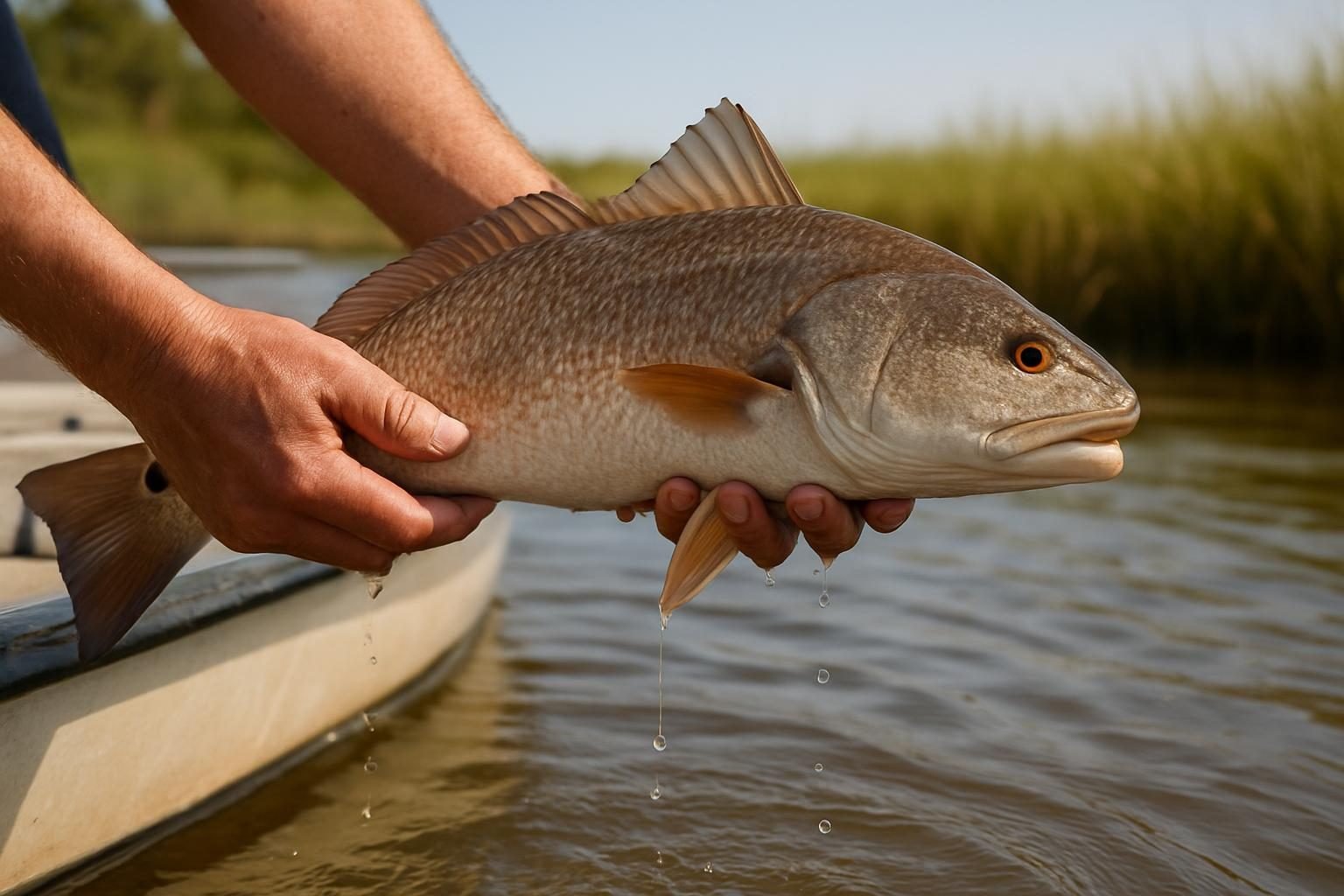
| Red drum | Fall is the classic window; fish are around in other seasons | Shorelines, creek mouths, grass edges, shallow flats lower in the system | Slot and bag limits apply; many anglers release the big ones |
| Speckled trout | Spring and fall, with fish holding in deeper water when it turns cold | Creek mouths, grass lines, docks, deeper holes in winter | Cold snaps can affect trout; regulations may change after hard freezes |
| Largemouth bass, catfish, panfish | Spring through fall | Upriver, tributaries, and fresher creeks | A good backup when the salty species are off |
Striped bass
Stripers are the cool-weather prize. They are a favorite for anglers who want a strong fight on medium to heavy tackle, and the Neuse system has a long history with the species. Because striped bass management is closely watched, harvest rules can be tight and can differ by section of river and time of year.
Red drum
Red drum, often called puppy drum when young, are the fish that make many locals fall for the river. They cruise shorelines and creek mouths, and they will eat natural bait, soft plastics and spoons. Pay close attention to the size slot, because the fish you catch will often be right at the edge of what is legal to keep.
Speckled trout
Speckled trout reward patience. They like moving water and clean edges, and they can be finicky about temperature. A sudden cold snap can change where they sit overnight, so a spot that produced Tuesday can be empty Thursday.
On the Neuse, the wind and the last big rain often matter more than the date on the calendar.
Bank and Pier Fishing Without a Boat
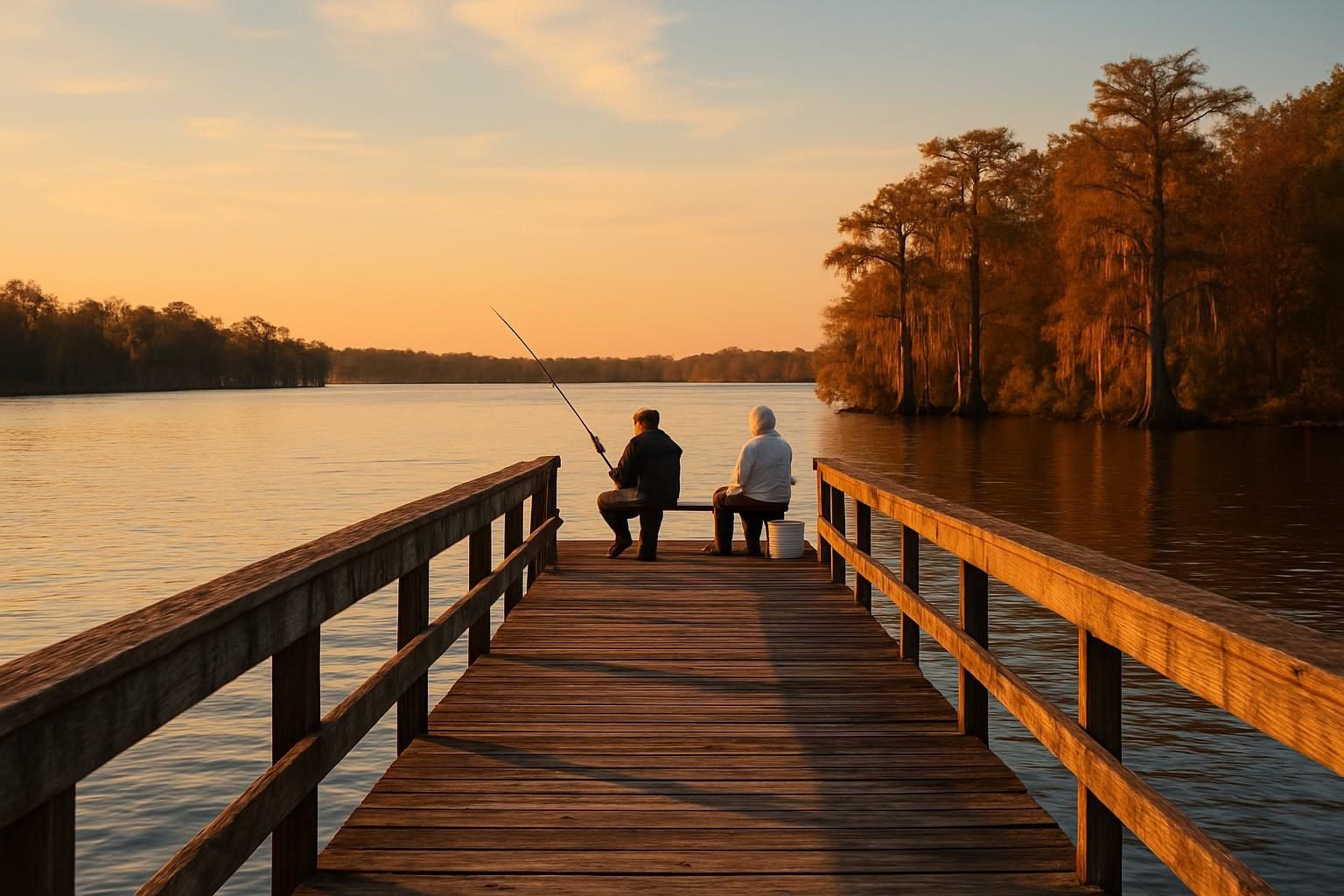
You do not need a boat to fish this river well. New Bern has public waterfront access, and several nearby parks and shorelines let you cast from land. For a broader look at waterfront green space, see our guide to the best parks in New Bern and Craven County.
General places to start looking:
- Downtown waterfront: The area around Union Point Park, where the Neuse and Trent meet, is a natural gathering point for bank anglers. Expect foot traffic, especially on festival weekends.
- Public piers and docks: Several communities along the river have public or community access. Rules on who may fish them vary, so confirm before you set up.
- Bridge approaches and shorelines: Anglers regularly fish near the edges of river crossings, but safety and posted restrictions come first. Never fish where signs say no.
- Creek and tributary banks: Smaller waters near Brices Creek and similar spots can offer quieter casting, though access depends on where public land ends and private property begins.
Local tip: Fish the early morning or the last hour of daylight. Summer afternoons are hot, crowded and slow, and in the warmest months the bite often fades by mid-morning.
Boat Fishing: More Water, More Options
A small center console, skiff or even a kayak changes what the river can offer. You can reach shorelines, creek mouths and docks that bank anglers cannot, and you can follow the fish as conditions change.
- Start with the shoreline. Work along grass edges and docks, especially where there is a bit of current.
- Check the creek mouths. Bait funnels in and out with the tide, and predators wait there.
- Move to deeper water in cold weather. Winter fish often sit in channels and holes rather than on the flats.
- Watch the weather. The Neuse widens quickly toward the sound, and wind can build a steep chop in a hurry.
Our guide to boating on the Neuse and Trent rivers covers ramps, channel navigation and what to expect on the water. If paddling appeals more than motoring, our upcoming kayaking guide for New Bern will cover quieter routes.
The downsides are real. Summer weekends bring heavy boat traffic, afternoon thunderstorms build fast, and a sudden wind shift can turn a pleasant morning uncomfortable. Wear a life jacket, check the forecast, and tell someone where you are going.
The fish are the same whether you cast from a pier or a boat, but the boat gives you more chances.
License Basics and Regulations
North Carolina requires a fishing license for most recreational anglers, and the type you need depends on where you fish. Coastal and inland waters have different rules, and the Neuse around New Bern includes waters that fall under coastal regulations. Whether you need a Coastal Recreational Fishing License, an inland license, or a combination depends on the exact section of river and your age, residency and military status.
What to know before you go:
- Licenses are issued by the state. The NC Wildlife Resources Commission handles inland licenses, and the NC Division of Marine Fisheries covers coastal waters.
- Some groups have different rules. Residents, non-residents, youth, seniors and active-duty military may have different requirements or exemptions. Cherry Point families should check the current military provisions.
- Size, slot and bag limits change. They can shift between seasons and after management decisions, especially for striped bass, red drum and speckled trout.
- Boundaries matter. The line between coastal and inland waters is defined in the regulations, not by how the river looks.
For current licensing and species rules, use the official NC Division of Marine Fisheries site at deq.nc.gov. For inland waters, the NC Wildlife Resources Commission is the authority.
Practical Tips for Fishing a Humid River Region
- Sun and heat: Summers here are hot and humid. Bring water, a hat and sun protection, and expect to cut a day short when thunderstorms build. See New Bern weather by month for what each season feels like.
- Bugs: Mosquitoes and biting flies are part of river life, especially near creeks and marsh edges in warm months.
- Storms and flooding: Hurricane season can close ramps, damage docks and reshape shorelines. Our guide to hurricane season in New Bern explains how the river behaves when storms arrive.
- Handle fish carefully: If you plan to release a fish, wet your hands, keep it in the water as much as possible, and revive it before letting go.
- Know your spot: Public access varies. Stay off private docks and respect posted property lines.
If you are new to the area and still sorting out where to live near the water, our guides to living in River Bend and living in New Bern are good starting points. For more on the surrounding landscape, browse our Rivers & Outdoors section.
FAQ
What is the best time of year to fish the Neuse River near New Bern?
It depends on the species. Striped bass favor cooler months, red drum are a classic fall target, and speckled trout fish well in spring and fall. Freshwater species such as bass and catfish are active from spring through fall.
Can I fish the Neuse without a boat?
Yes. Public parks, waterfront areas and some piers around New Bern allow bank fishing. Access rules vary, so look for posted signs and avoid private property.
Do I need a fishing license on the Neuse River?
Most anglers do. The specific license depends on whether you are fishing coastal or inland waters, plus your age and residency. Confirm the current requirements with the NC Division of Marine Fisheries or the NC Wildlife Resources Commission.
Where can I find current size and bag limits?
Check the official NC Division of Marine Fisheries website for coastal species and the NC Wildlife Resources Commission for inland species. Regulations can change, so review them before each trip.
Is the Neuse safe to fish after a big storm?
Not immediately. Flooding, debris, damaged docks and muddy water can make conditions unsafe and the fishing poor. Wait for water levels to settle and check local advisories before heading out.