
Quick answer: New Bern has a humid subtropical climate: long, hot, sticky summers, mild winters, and two genuinely pleasant shoulder seasons in spring and fall. October and April are the sweet spots for most people, while August through September is peak heat and peak hurricane risk. Below is how each month typically feels, with the storm and flooding realities locals plan around.
Key takeaways
- Best months: April, May, October and early November for comfortable temps and lower humidity.
- Worst heat: July and August, when humidity does more damage than the thermometer.
- Storm season: hurricane season runs June 1 to November 30, with the real peak from mid-August through September.
- Flooding: the Neuse and Trent rivers can push water into low areas during storm surge and heavy rain, so know your address.
New Bern Weather at a Glance
New Bern sits where the Neuse and Trent rivers meet, close enough to the coast that the water moderates temperatures but far enough inland that you are not getting a constant sea breeze. The result is warm, wet and humid for much of the year. Snow is rare and usually gone within a day.
The table below gives typical ranges based on general climate patterns for the area. Treat the numbers as ballpark figures, since any given year can run hotter, cooler or wetter. For exact normals, check the National Weather Service office that covers Eastern North Carolina.
| Month | Typical Highs | Typical Lows | What It Feels Like |
|---|---|---|---|
| January | Low to mid 50s F | Low to mid 30s F | Cool and damp, occasional hard freezes |
| February | Mid 50s F | Mid to upper 30s F | Still cool, early signs of spring late in the month |
| March | Low 60s F | Low 40s F | Variable; warm days, chilly nights, windy |
| April | Low to mid 70s F | Low 50s F | Mild and green, one of the best months |
| May | Low 80s F | Low 60s F | Warm, humidity starting to climb |
| June | Upper 80s F | Upper 60s F | Hot and humid, afternoon storms begin |
| July | Around 90 F | Low 70s F | Hot, sticky, frequent thunderstorms |
| August | Around 90 F | Low 70s F | Peak heat and humidity, peak tropical risk begins |
| September | Mid to upper 80s F | Upper 60s F | Still hot, the busiest storm month |
| October | Upper 70s F | Upper 50s F | Dry, clear, comfortable; local favorite |
| November | Upper 60s F | Upper 40s F | Crisp, first frosts, hurricane season winds down |
| December | Upper 50s F | Upper 30s F | Cool, mostly mild, occasional cold snaps |
Winter: December Through February
Winters here are mild compared with most of the country, but they are not tropical. Expect damp, gray stretches, nights that dip below freezing, and a handful of genuinely cold days a year.
- Frost and freezes: common overnight in January and February, so drip exposed outdoor pipes and cover tender plants.
- Snow and ice: uncommon, but a dusting or an ice event can shut down roads because the area is not equipped for it.
- Humidity: lower than summer, but the dampness makes 40 degrees feel colder than the number suggests.
Winter is the quiet season downtown. It is a good time to walk the historic district without summer crowds, and the holidays bring their own draw. If you are curious about that side of town, we are working on a guide to Christmas in New Bern.
In New Bern, the thermometer lies in summer: it is the humidity that decides whether you want to be outside.
Spring: March Through May
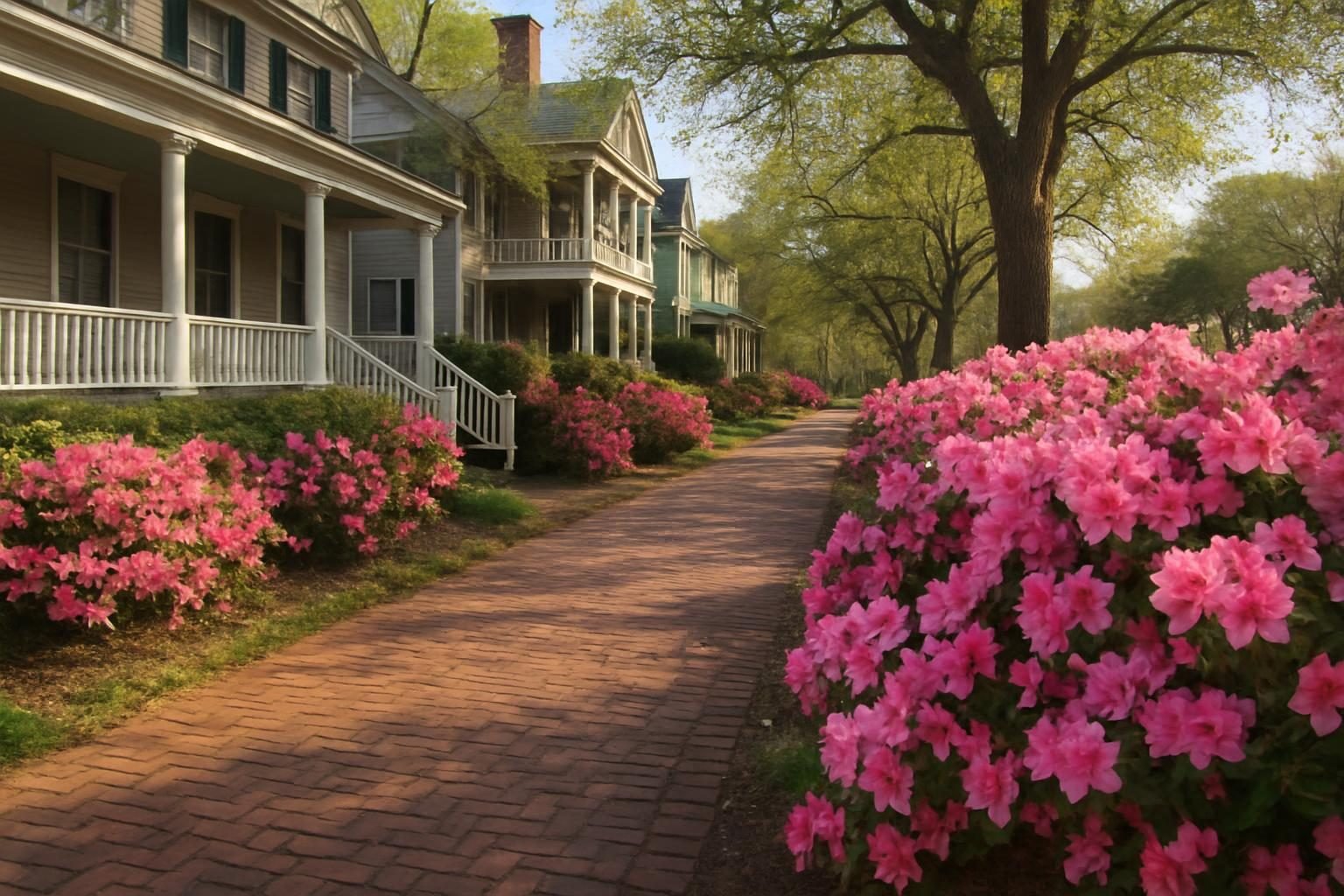
Spring is when the town earns its reputation. Azaleas and dogwoods bloom, the humidity stays manageable, and the rivers are busy again.
March
The most unpredictable month. You can get a 75-degree afternoon followed by a frosty morning, and it is often windy. Pollen starts ramping up, which matters if you have allergies.
April
Arguably the best month of the year. Days are warm without being heavy, evenings are comfortable, and it is ideal for patio dining, getting out around town and exploring parks. Heavy pollen can coat cars and porches in yellow-green dust, so expect it.
May
Warm and getting humid, with water temperatures climbing enough for boating to be comfortable. This is a good month to be on the rivers; see our guide to boating on the Neuse and Trent.
Local tip: If you are visiting and can pick your dates, aim for the last two weeks of April or the first three weeks of October. You get the best temperatures and fewer weather headaches.
Summer: June Through August
Summer is hot, wet and long. Highs sit near 90 for weeks, and the humidity pushes the heat index well above that. Afternoon thunderstorms are routine, often quick and loud, then gone.
- Heat index: can feel like triple digits on the worst days, so plan outdoor activities for early morning or evening.
- Thunderstorms: frequent in the afternoon; get off the water when you hear thunder.
- Bugs: mosquitoes, biting flies and ticks are real, especially near marsh edges and in the Croatan National Forest.
- Crowds: downtown and the waterfront are busiest in summer, and traffic on US-70 and US-17 can slow down.
Air conditioning is not optional here. If yours struggles in July, you will find out fast, which is why many homeowners look up HVAC repair in New Bern before the heat arrives rather than during it.
Hurricane Season: What to Expect
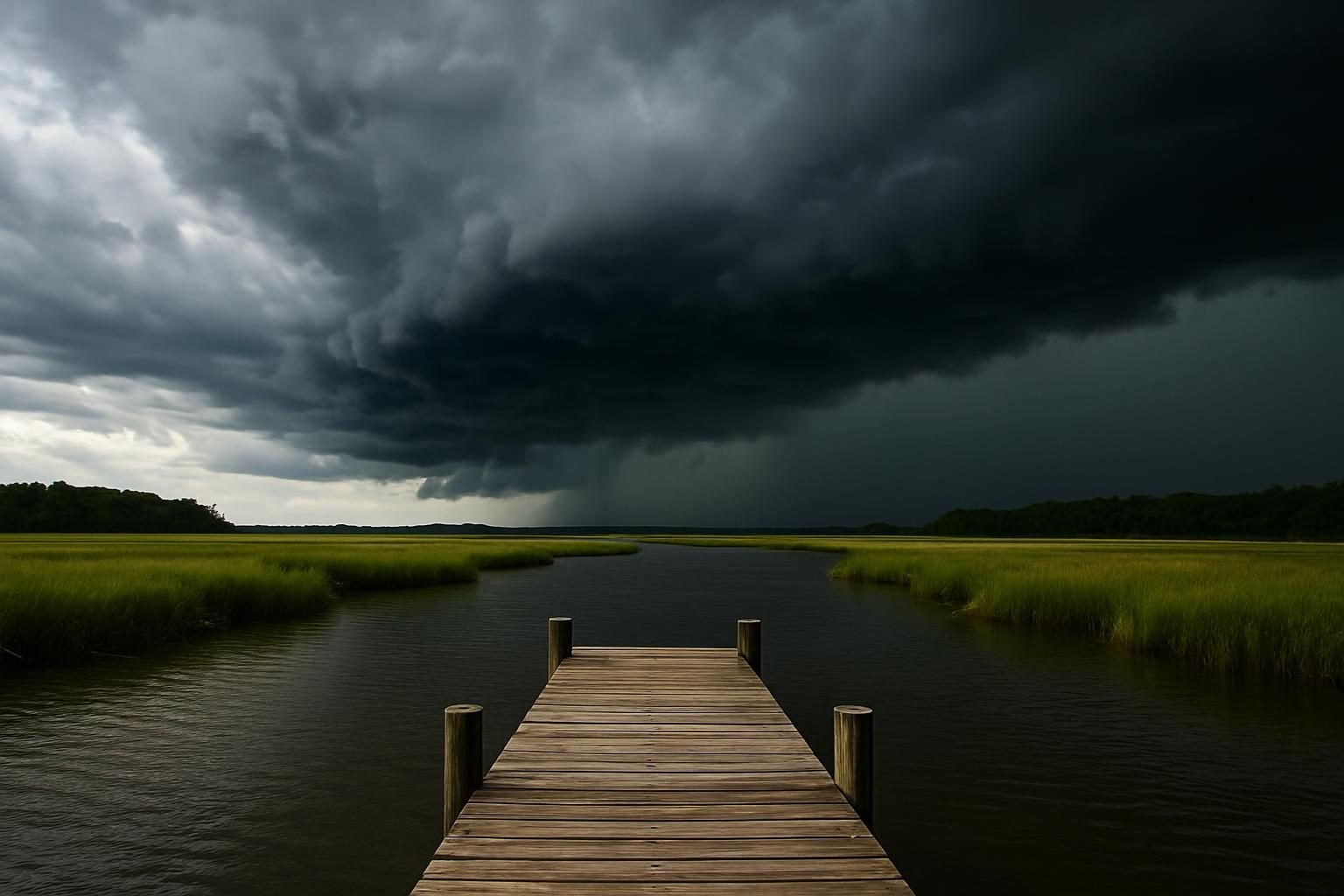
The Atlantic hurricane season officially runs June 1 through November 30. In Craven County, the risk is concentrated from mid-August through September, with October still worth watching. Many years pass with little more than a tropical storm or a few days of heavy rain, but the area has a long history of serious storms.
The NOAA National Hurricane Center is the authority for forecasts and advisories, and your county emergency management office handles local evacuation and shelter information. Check both rather than relying on social media rumors.
What storms actually do here
- Wind: downed trees and power outages are the most common impact, sometimes lasting days.
- Storm surge: the Neuse and Trent can back up and push water into low-lying streets and properties.
- Rain flooding: slow-moving storms dump enormous rainfall, and the rivers rise after the rain stops.
Florence in 2018 is the benchmark many residents still talk about, because the flooding came from both the rivers and prolonged rain. If you are buying or renting, learn about flood zones in New Bern before you fall in love with a house, and read up on hurricane season in New Bern for the full picture.
Flood risk in New Bern depends on the specific address, not the town, so check any property before you commit.
Fall: September Through November
September is still summer in practice, with heat and the highest storm risk. Things change in October.
September
Hot, humid and the peak of hurricane season. Keep an eye on the tropics and have your supplies sorted before a storm is in the forecast.
October
This is the locals’ favorite. Humidity drops, skies clear, and temperatures settle into the 70s. It is also festival season; the town’s big chrysanthemum celebration is covered in our MumFest guide, so check the official event calendar for current dates.
November
Crisp mornings, the first frosts, and the end of hurricane season. Water temperatures drop, and fishing shifts with them. The days are short but beautiful.
Best Months by What You Want to Do
- Walking the historic district and visiting Tryon Palace: April, May, October and November. See our Tryon Palace visitor guide for planning.
- Boating and swimming: late May through September, with early mornings the most comfortable.
- Hiking and paddling: October through April, when the bugs and heat back off.
- Avoiding crowds: January through March, if you can handle the chill.
- Avoiding storm risk: December through May.
Weather Tips for Newcomers and Homeowners
If you are moving here, especially with a military posting to Havelock and Cherry Point, the climate affects daily life more than people expect. Our broader guide to living in New Bern covers the rest of the move.
- Manage humidity: run your AC, use a dehumidifier in damp rooms, and watch for mold in closets and bathrooms.
- Prep before June: clean gutters, trim overhanging limbs and check your roof. Our upcoming guides cover a hurricane prep checklist for a New Bern home and older home maintenance, which matters for historic houses.
- Know your flood exposure: check flood maps and your insurance coverage well before a storm threatens.
- Plan for outages: a few days without power is a realistic scenario after a strong storm.
For official forecasts and climate data, the National Weather Service Newport/Morehead City office serves our area and is the best single source for current conditions.
FAQ
What is the hottest month in New Bern?
July and August are typically the hottest, with highs around 90 degrees. The humidity makes it feel hotter, and heat index values can climb well above the actual temperature.
When is hurricane season in New Bern?
The Atlantic season runs June 1 through November 30. The highest risk for Craven County is generally mid-August through September, though storms can arrive earlier or later.
Does it snow in New Bern?
Rarely, and accumulations are usually small and short-lived. Ice and freezing rain are a bigger concern than snow when winter storms do hit.
What is the best time of year to visit New Bern?
April, May, October and early November offer the most comfortable temperatures and the best conditions for walking, dining outside and getting on the water.
Does New Bern flood?
Parts of the area can, particularly low-lying properties near the Neuse and Trent rivers during storm surge or heavy rain. Risk varies by address, so check flood maps and insurance before buying or renting.