Quick answer: Most roof repair in New Bern, NC comes down to a handful of problems: failed flashing, lifted shingles after wind, clogged valleys and aging seals around vents. Typical small repairs run from a few hundred dollars to a couple thousand, while a roof that is past its useful life is usually better replaced than patched. Get at least two written estimates, and photograph any storm damage before anyone touches it.
Key takeaways
- Most leaks start at flashing, vents and valleys, not in the middle of a shingle field.
- Humidity, salt air, afternoon storms and tropical systems all shorten roof life here.
- Repair makes sense for localized damage; replace when the roof is near the end of its life or repairs keep stacking up.
- Document storm damage first, then call your insurer and a roofer, in that order.
- Cost figures below are typical ranges only. Written local quotes are the real number.
Why Roofs Take a Beating in Craven County
A roof in New Bern deals with more than a roof in the Piedmont. Summers are hot and wet, we sit close to the Neuse and Trent, and tropical systems push wind and rain through the county nearly every few years. Florence reminded a lot of homeowners how fast a marginal roof can turn into a wet ceiling.
Humidity matters even without storms. It feeds algae and moss on shaded slopes, keeps decking damp from the underside when attic ventilation is poor, and speeds up the aging of sealants. If your house sits under live oaks or pines in Trent Woods, River Bend or the historic district, add leaf debris and limbs to the list.
If you are planning for a bigger project, our guide to roof replacement cost in New Bern and Craven County covers what a full job looks like.
If your roof is already showing its age, you can request help with roof replacement from a vetted local pro using the form on this page.
Common Leak Sources We See Here
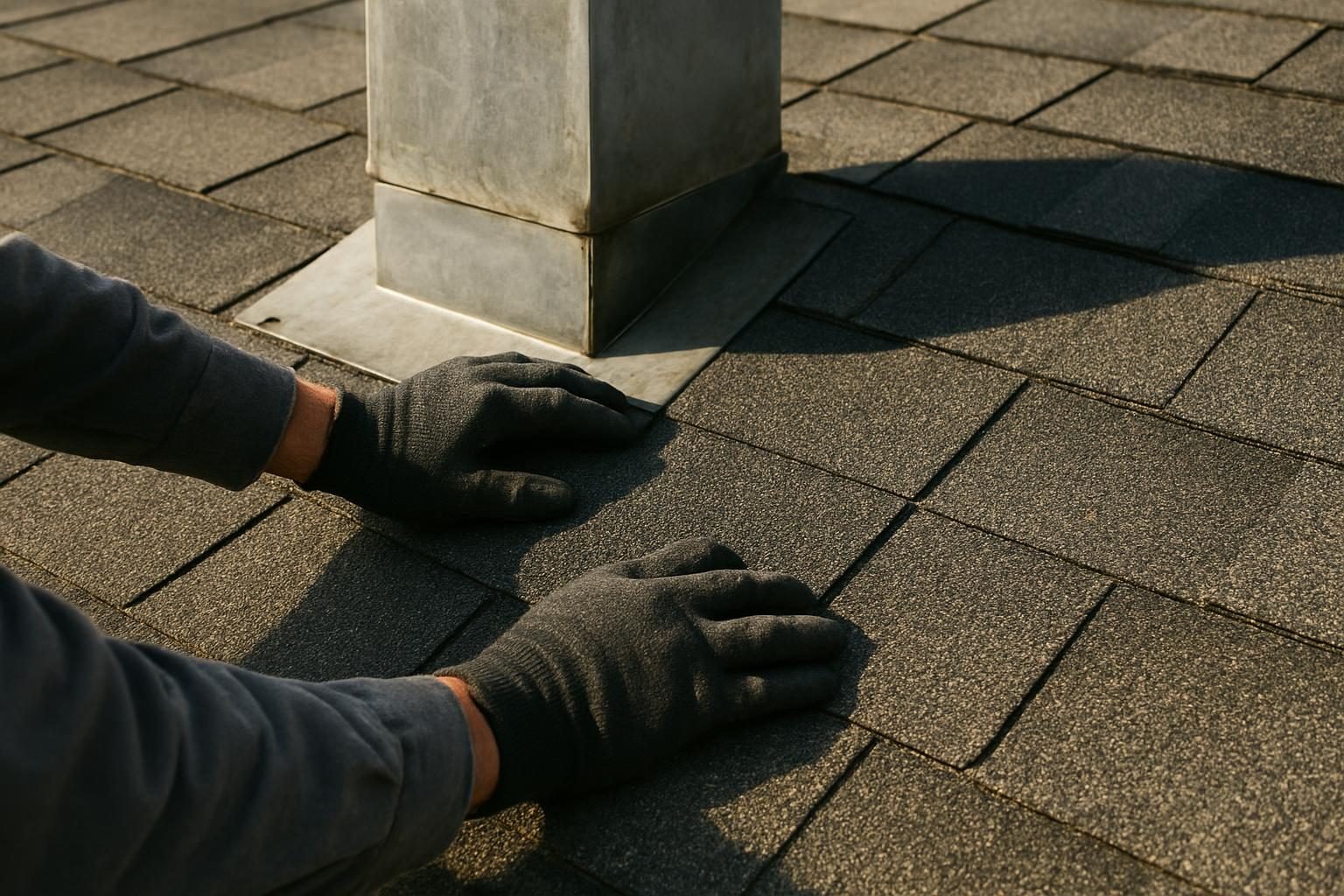
The stain on your ceiling is rarely directly under the hole. Water travels along rafters and decking before it shows up, so the leak can be several feet uphill from the damp spot.
- Flashing: Metal around chimneys, skylights, walls and dormers corrodes or pulls loose. This is the most common culprit on older homes.
- Pipe boots and vent seals: The rubber collars around plumbing vents crack in the sun, often well before the shingles wear out.
- Valleys: Where two slopes meet, water concentrates. Debris and worn shingles here lead to leaks quickly.
- Lifted or missing shingles: Wind breaks the seal strip, and the next rain gets underneath.
- Nail pops and exposed fasteners: Small, cheap to fix, and easy to miss.
- Poor attic ventilation: Not a leak in the strict sense, but condensation and heat shorten roof life and can look like a leak.
Storm Damage and Insurance Claims
After a big wind or hail event, resist the urge to hire the first truck that shows up in your neighborhood. Storm chasers appear quickly after named storms, and some are not around when a warranty question comes up months later.
What to do, in order
- Make it safe. Stay off the roof. Watch for sagging ceilings and water near light fixtures.
- Photograph everything. Take wide and close shots of the roof, the ceilings and any debris, with dates.
- Stop further damage. A tarp or temporary patch is reasonable; keep receipts.
- Call your insurer. Ask about your deductible, especially any separate wind or hurricane deductible, which is common on the coast.
- Get a local roofer’s inspection. Ask for a written scope and photos you can share with the adjuster.
Read your policy before a storm, not after. Wind and hail coverage, roof age limits and deductibles vary widely. If water has already gotten inside, see our guide to water damage restoration in New Bern, and watch for moisture problems that can lead to mold.
The stain on your ceiling is rarely under the hole; water travels along the rafters before it shows itself.
Repair vs. Replace: How to Decide
A good roofer will tell you honestly when a patch is not worth it. Use the table below as a rough guide, then confirm with an inspection.
| Situation | Usually points to |
|---|---|
| One area of damage, roof under about 15 years old | Repair |
| Failed flashing or a cracked vent boot | Repair |
| Widespread granule loss, curling or brittle shingles | Replace |
| Repeated leaks in different spots | Replace or major repair |
| Soft or rotted decking found during repair | Replace the affected section or the roof |
| Roof near the end of its expected life | Replace, and plan the budget |
Another factor is how long you will stay. If you are selling soon, a clean repair with documentation may be enough. If you plan to stay, a new roof with better ventilation and underlayment can save money over repeated patches.
Typical Roof Repair Costs
Prices shift with materials, roof pitch, access and how busy contractors are after storms. The ranges below are typical estimates, not quotes.
| Repair | Typical range |
|---|---|
| Replace a pipe boot or small sealant fix | Roughly $150 to $500 |
| Replace a few shingles | Roughly $250 to $900 |
| Re-flash a chimney or wall | Roughly $400 to $1,500 |
| Valley repair | Roughly $500 to $1,500 |
| Section repair with some decking | Roughly $1,000 to $3,500 |
| Emergency tarping | Roughly $300 to $1,000 |
Many roofers have minimum service charges, so a very small job may cost more than the materials suggest. Ask whether the quote covers cleanup and disposal.
Local tip: Ask any roofer to show you photos of the problem area from the roof. A real inspection leaves you with pictures, not just a verbal verdict.
Choosing a Roofer in New Bern
Look for a contractor who knows coastal conditions and will still be around when you call about the warranty. Here is a short checklist.
- License and insurance: Ask for proof of liability and workers’ compensation coverage. You can check contractor licensing with the North Carolina Licensing Board for General Contractors.
- Local track record: Ask for recent jobs in Craven County and references you can call.
- Written estimates: Get at least two, with scope, materials, and what happens if rotted decking is found.
- Warranty: Separate the manufacturer’s material warranty from the contractor’s workmanship warranty.
- Deposit: Be wary of large upfront payments or pressure to sign the same day.
- Storm-season availability: Right after a named storm, schedules fill. A roofer who is honest about timing beats one who promises tomorrow.
Roof work often goes hand in hand with other jobs. Tree removal before a storm can protect a roof, and clean, properly sized gutters keep water away from fascia and foundations. Roof leaks that go unnoticed can also affect attic HVAC equipment and insulation.
The right roofer tells you when a patch is not worth the money, even if the bigger job pays more.
Keeping Your Roof Healthy Between Repairs
A little routine care stretches roof life in humid river country.
- Walk the yard after major storms and look for missing shingles, debris and sagging lines.
- Clear leaves from valleys and gutters before hurricane season.
- Trim branches that touch or hang over the roof.
- Check attic ventilation and look for daylight, damp insulation or stained decking.
- Have flashing and sealants checked every few years, especially on older roofs.
For more on keeping up a home in this climate, browse our Home & Property guides and the Local Pros hub. If you are budgeting for ownership here, our cost of living in New Bern piece covers insurance and housing costs.
If a repair estimate keeps climbing, it may be time to request help with roof replacement from a vetted local pro using the form on this page.
FAQ
How much does roof repair cost in New Bern?
Small fixes like a vent boot or a few shingles typically run a few hundred dollars. Larger repairs involving flashing, valleys or decking can reach a few thousand. Treat these as ballpark ranges and get written quotes.
Should I repair or replace my roof?
Repair localized damage on a roof that is otherwise sound. Consider replacement when shingles are curling or shedding granules widely, leaks keep recurring, or the roof is near the end of its life.
Does homeowners insurance cover storm damage to a roof?
Often yes for sudden wind or hail damage, but not for wear and tear. Wind or hurricane deductibles can be separate and higher, so check your policy and call your insurer before major repairs.
Can I fix a roof leak myself?
Stay off the roof unless you are trained and equipped. Interior steps like placing buckets and photographing damage are fine, and a roofer can tarp or patch safely.
How soon should I get a leak looked at?
As soon as you can. Even a slow leak soaks insulation and decking and can lead to mold. Temporary tarping buys time while you arrange a proper repair.
Get roof replacement help from a vetted New Bern pro
Tell us about your roof and we will connect you with a vetted local roofer who can inspect it and provide a written estimate.