Quick answer: Replacing a central HVAC system in New Bern typically runs about $6,500 to $14,000 for a standard home, depending on size, efficiency and ductwork condition. Heat pumps are the most common choice in eastern North Carolina because our winters are mild and our summers are long. These are estimates, so get at least two written quotes before you commit.
Key takeaways
- Typical full-system replacement in Craven County: roughly $6,500 to $14,000, with larger or high-efficiency setups going higher.
- Heat pumps and heat pump split systems dominate here because winters are short and cooling does the heavy lifting.
- Correct sizing matters more than a bigger unit. Oversized systems cool fast but leave the house clammy.
- Ductwork, crawl space moisture and coastal corrosion can change the bill and the lifespan.
- Rebates and tax credits exist, but verify current amounts before you count on them.
If your system is old, noisy or failing every August, you are probably weighing repair against replacement. This guide covers what replacement really costs in New Bern, what to choose, and when it stops making sense to keep patching. If you are not sure the unit is truly done, you can request help with HVAC repair from a vetted local pro using the form on this page.
What HVAC replacement costs in New Bern
Prices vary with home size, equipment tier and how much work the ducts need. The ranges below are typical estimates for the New Bern, Trent Woods and Havelock area, not quotes.
| System type | Typical installed range | Best fit |
|---|---|---|
| Standard heat pump split system (1.5 to 3 ton) | $6,500 to $10,500 | Most single-story and mid-size homes |
| Higher-efficiency heat pump (variable speed) | $10,000 to $15,000 | Larger homes, comfort and humidity control |
| Air conditioner plus gas furnace | $7,500 to $13,000 | Homes already plumbed for gas |
| Ductless mini-split (per zone) | $3,500 to $6,500 | Additions, sunrooms, older homes without ducts |
| Air handler or furnace only | $2,500 to $5,500 | Outdoor unit still healthy |
Two houses of the same size can land far apart. A tight, well-ducted 1,800-square-foot home in Fairfield Harbour will price very differently from a 1950s house downtown with undersized or leaky ducts.
What pushes the price up
- Ductwork repairs or replacement: often $1,500 to $5,000 extra when ducts are damaged, undersized or wet.
- Attic or crawl space access: tight spaces add labor.
- Efficiency tier: variable-speed equipment costs more up front and saves on power over time.
- Electrical upgrades: a new breaker, disconnect or line set can add several hundred dollars.
- Permits and code items: required in most replacements, so confirm they are included in the quote.
Heat pump vs split system: which fits our climate
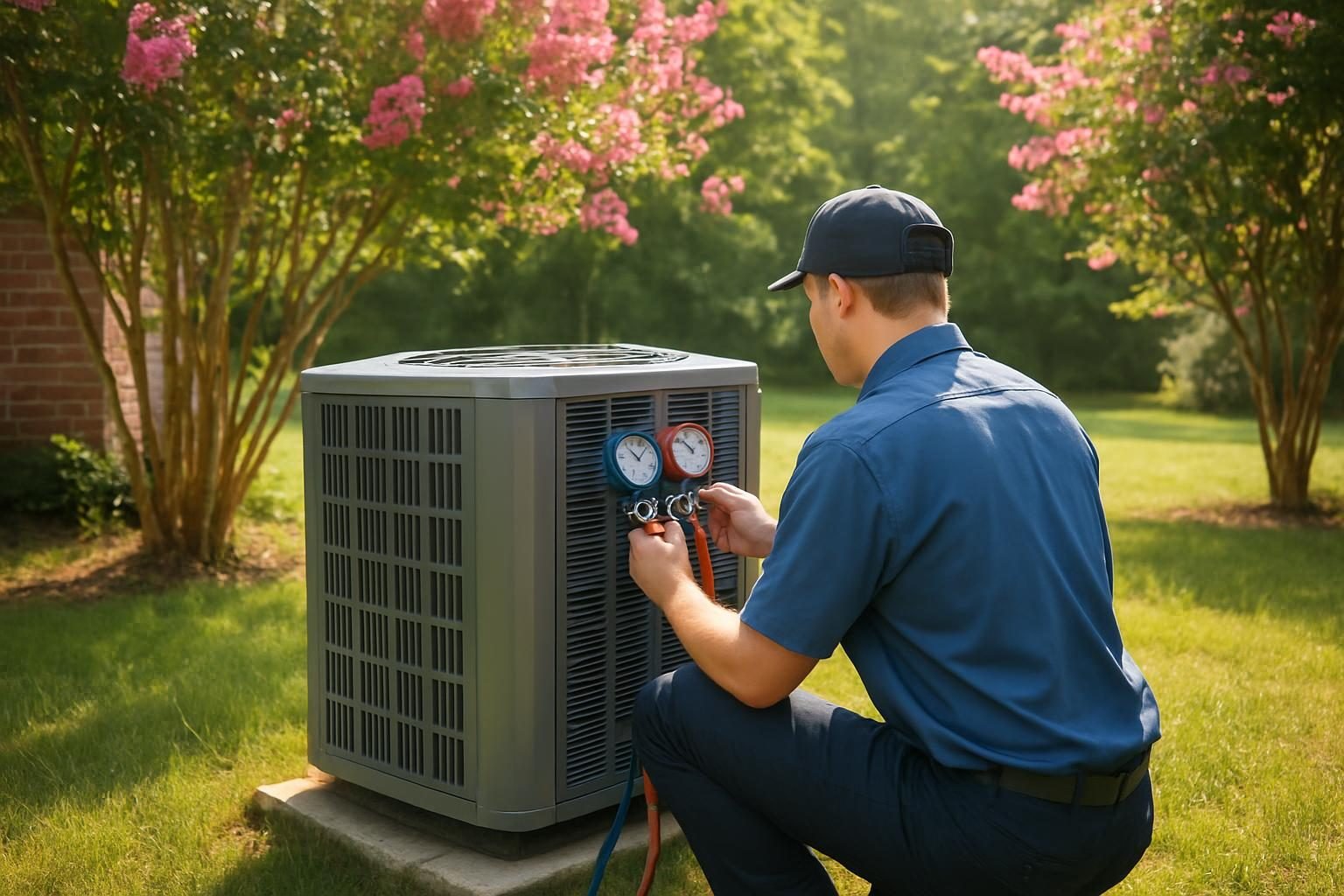
These terms overlap, which confuses a lot of people. A “split system” just means an outdoor unit and an indoor unit connected by refrigerant lines. A heat pump is a type of split system that heats and cools using the same equipment.
The real comparison is a heat pump versus an air conditioner paired with a furnace.
Heat pump
- One system handles both heating and cooling.
- Efficient in our mild winters, where freezing nights are limited.
- Usually uses electric backup heat for the coldest nights.
- Often the lower-cost choice when no gas line is present.
AC plus gas furnace
- Stronger, hotter heat on the coldest days.
- Makes sense where natural gas or propane is already in place.
- Two separate systems mean two things to maintain.
For most New Bern homeowners, a heat pump wins on simplicity and operating cost. The case for gas is stronger inland or in older homes that already have a furnace and gas service.
In New Bern, your system works harder cooling than heating, so cooling efficiency and humidity control matter most.
Sizing: why bigger is not better here
Humidity is the story on the Neuse and Trent. An oversized unit cools the air quickly, shuts off, and never runs long enough to pull moisture out. You end up with a cold, damp house and a musty smell.
Ask any contractor how they sized the system. A proper estimate uses a load calculation (often called a Manual J), not a rule of thumb based on square footage alone.
Local tip: If a bidder quotes without measuring your home, checking insulation, or looking at your ducts, treat that as a warning sign. Ask to see the load calculation in writing.
Things that change the right size include window area, insulation, sun exposure, ceiling height and duct leakage. A house with a vented crawl space may also need moisture work, which we cover in the crawl space encapsulation guide.
Built for humid, coastal river country
Equipment here deals with salt-influenced air, long runtimes and high moisture. That wears systems faster than in drier climates.
- Coil corrosion: homes closer to the water, such as River Bend or waterfront parts of Trent Woods, may benefit from coated coils.
- Condensate drains: clogged drain lines are a top cause of summer shutoffs and water stains.
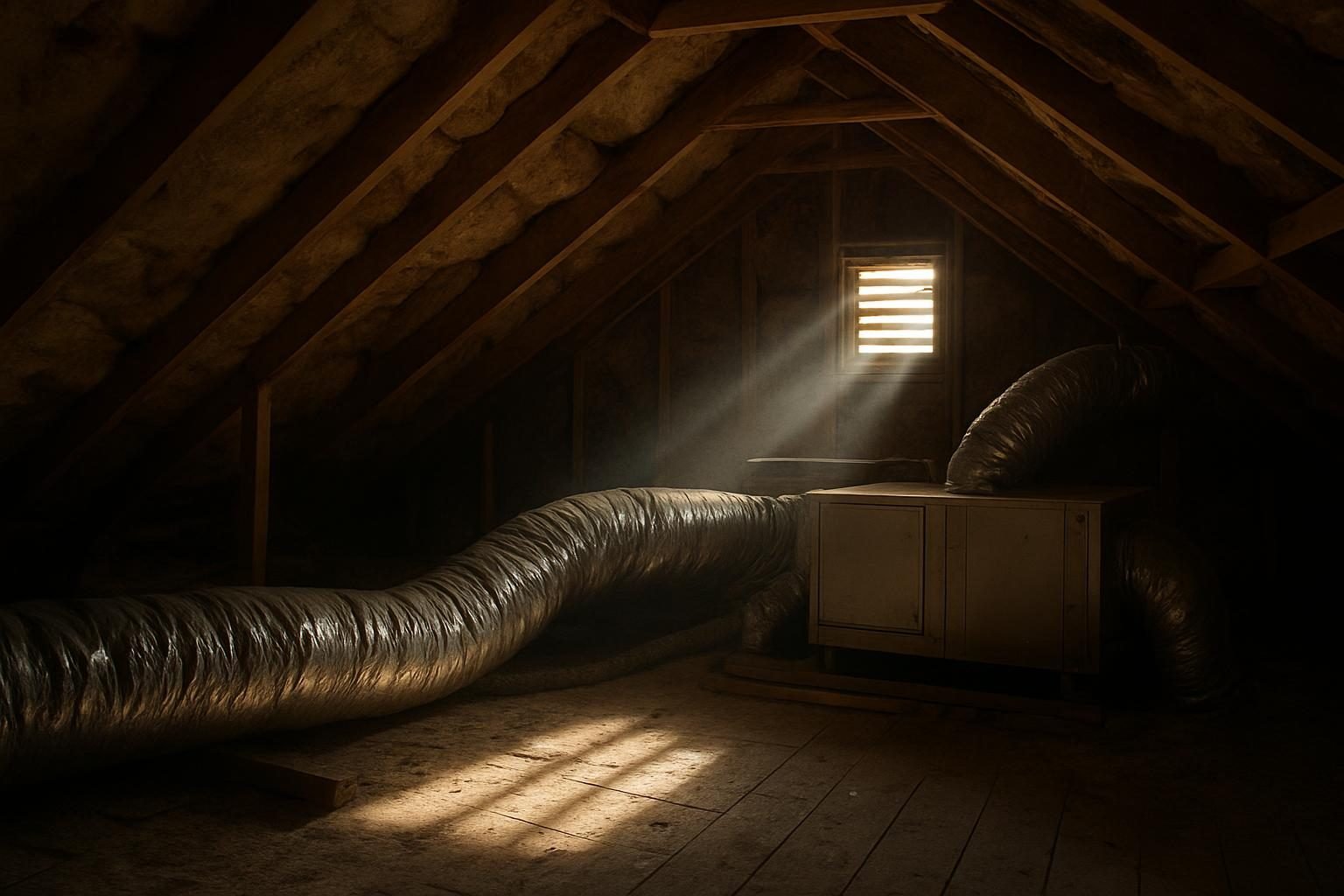
- Duct condensation: poorly insulated ducts in hot attics sweat and can feed mold.
- Flood zones: after Florence, many homeowners raised outdoor units on stands. If your lot floods, ask about elevating the condenser and air handler.
Moisture problems that spread into the house are covered in our mold remediation guide, and storm prep for power loss is in the whole-house generator guide.
Rebates, credits and efficiency ratings
Efficiency is measured by SEER2 for cooling and HSPF2 for heat pump heating. Higher numbers use less electricity but cost more up front. In a long cooling season, the extra efficiency often pays back faster than it would up north.
Possible savings to ask about:
- Federal tax credits for qualifying heat pumps. Rules and amounts change, so confirm current terms with the IRS.
- Utility or co-op programs for efficient equipment, which vary by your electric provider.
- Manufacturer promotions that come and go through the year.
Check current federal energy credit details at the U.S. Department of Energy, and ask your contractor which models qualify. Do not assume any rebate amount until you see it in writing.
The cheapest quote often leaves out ductwork, permits or the load calculation, so compare scope before comparing price.
When to replace instead of repair
A rough guide: systems in coastal NC often last 12 to 15 years, sometimes less with heavy use. Age alone does not decide it, but combined with cost and reliability it usually does.
Replace when
- The system is past 12 to 15 years and repairs are piling up.
- A repair quote exceeds roughly half the cost of replacement.
- The compressor or coil has failed.
- It uses older refrigerant that is expensive and being phased out.
- Power bills are climbing and comfort is uneven.
Repair when
- The system is under ten years old.
- The problem is a capacitor, contactor, drain line or thermostat.
- Otherwise the equipment runs well and holds temperature.
Our HVAC repair guide breaks down common failures and typical repair costs so you can judge a quote. For help deciding, you can request HVAC repair help from a vetted local pro through the form on this page.
How to hire and plan the job
- Get two or three written quotes with equipment model numbers, tonnage and efficiency ratings.
- Verify licensing through the North Carolina State Board of Examiners of Examiners of Plumbing, Heating and Fire Sprinkler Contractors for heating work, and confirm insurance.
- Ask about the load calculation and duct inspection.
- Confirm permits are pulled and included.
- Review warranties on parts and labor, not just the equipment.
- Schedule smart: spring and fall are quieter. Mid-summer and cold snaps mean longer waits.
Military families at MCAS Cherry Point who rent should check with the landlord before replacing anything, and PCS movers buying a home should ask for the age and service history of the system. For wider budgeting, see our cost of living breakdown, and the roof replacement cost guide for the other big-ticket home item. More on upkeep lives in our Home & Property hub, and you can browse vetted trades in the Local Pros hub.
Not sure whether to repair or replace? Use the form on this page to request HVAC repair help from a vetted local pro.
FAQ
How much does a new AC unit cost in New Bern?
A replacement outdoor unit alone is often $3,500 to $7,500 installed, while a full matched system usually runs $6,500 to $14,000. Prices vary by size, brand and efficiency.
Is a heat pump good for eastern North Carolina?
Yes. Winters are mild, so heat pumps work efficiently most of the year. They typically include backup heat for the coldest nights.
How long does an HVAC system last near the coast?
Expect roughly 12 to 15 years, sometimes less with salt air, heavy summer use or poor maintenance. Regular service helps.
Do I need a permit to replace my HVAC?
Generally yes. A licensed contractor normally pulls the permit. Confirm it is included in your quote and check current requirements with Craven County or the City of New Bern.
Should I replace the ductwork too?
Not always. Have the ducts inspected for leaks, damage and moisture. Fixing them can improve comfort and efficiency, but it adds cost.
Get HVAC help from a vetted New Bern pro
Tell us about your system and a vetted local HVAC pro will follow up to discuss repair or replacement options.