Quick answer: Crawl space encapsulation in New Bern typically runs from roughly $5,000 to $15,000 for an average home, and more for large, damaged or hard-to-access crawl spaces. The price depends on square footage, the condition of the space, and whether you need a dehumidifier, drainage or repairs first. These are typical ranges, so get at least two written quotes for your own house.
Key takeaways
- Most New Bern encapsulation jobs land in the low-to-mid four figures up to the mid-teens, depending on size and condition.
- A plain vapor barrier is cheaper but does far less than a sealed, conditioned crawl space in our humidity.
- A dehumidifier is usually part of the system here, and it adds to both the upfront and the yearly cost.
- Fix standing water, leaks and drainage before sealing anything.
- Older homes near the Neuse and Trent, and in flood-prone areas, benefit most.
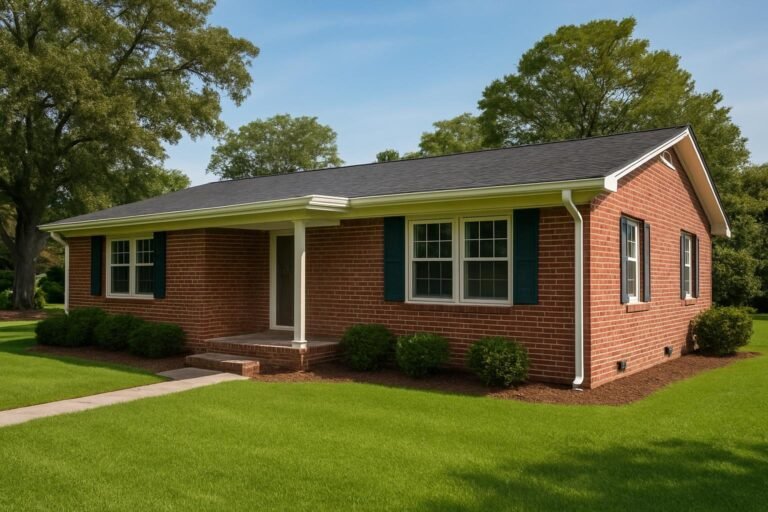
If you own a house in New Bern, Trent Woods, River Bend or anywhere else on the coastal plain, you have probably heard that crawl space encapsulation is worth doing. It is, in many cases, but the price and the scope vary a lot between contractors. This guide covers what the work involves, what it costs here, and how to avoid paying for more than you need.
If you want help sizing up your own crawl space, you can request help with crawl space encapsulation from a vetted local pro using the form on this page.
Why older New Bern homes need crawl space encapsulation
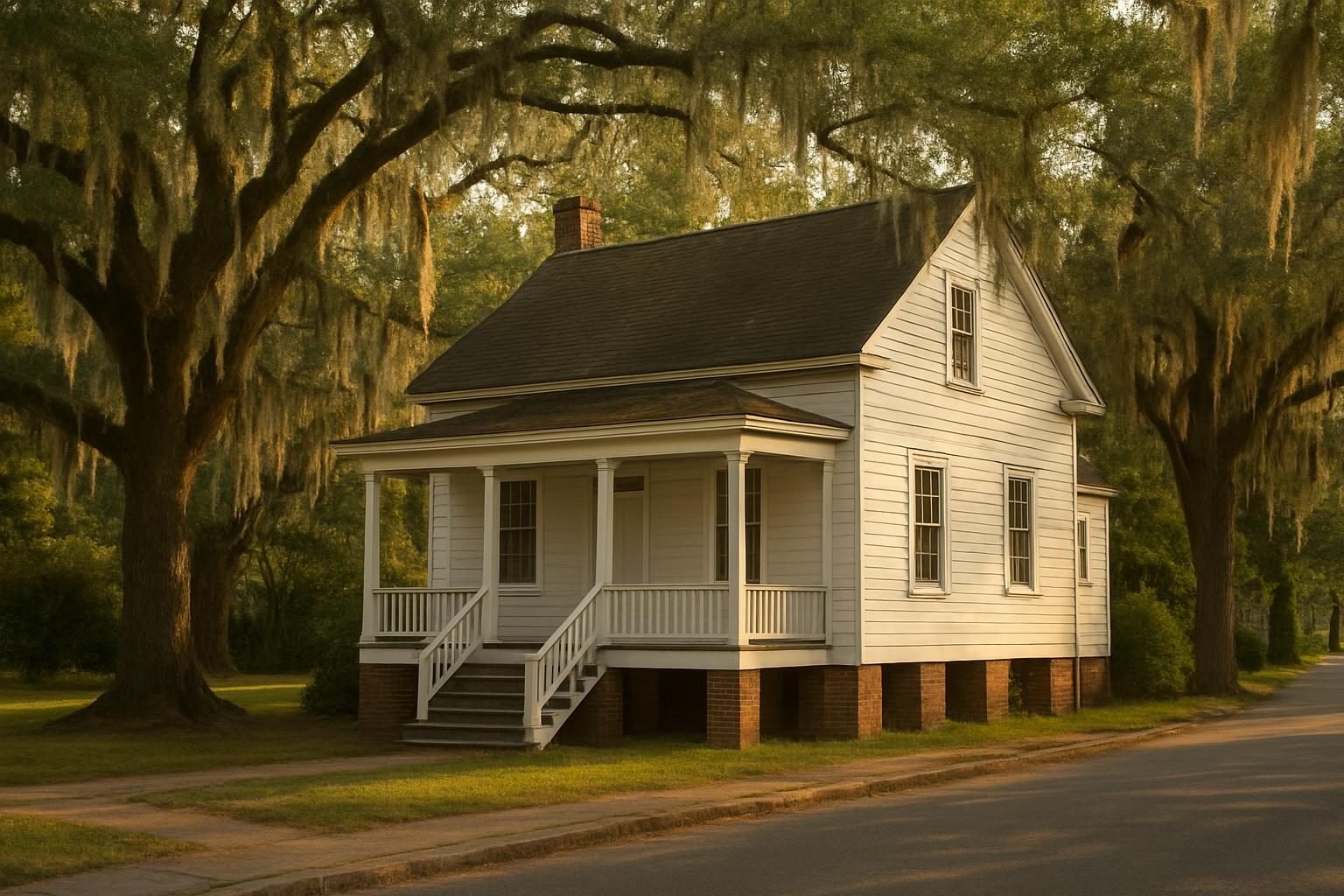
New Bern sits low, close to the water table, in a climate that stays humid much of the year. Many homes in the historic district and older neighborhoods were built on vented crawl spaces, a design that assumes outside air will dry things out. In our summers, that outside air is wet, and it condenses on cool surfaces underneath the floor.
The result is a familiar list of problems:
- Damp or musty smells that drift up into the living area.
- Soft or sagging floors where wood stays wet.
- Mold and mildew on joists and subflooring.
- Wood-destroying pests drawn to moisture.
- Higher cooling bills when ducts run through a damp, hot space.
Homes near the Neuse and Trent, and in areas that flooded during Florence, often have the added problem of water entering after heavy rain or storm surge. For a deeper look at the causes, see our guide to crawl space moisture in Eastern NC.
Encapsulation vs. a vapor barrier
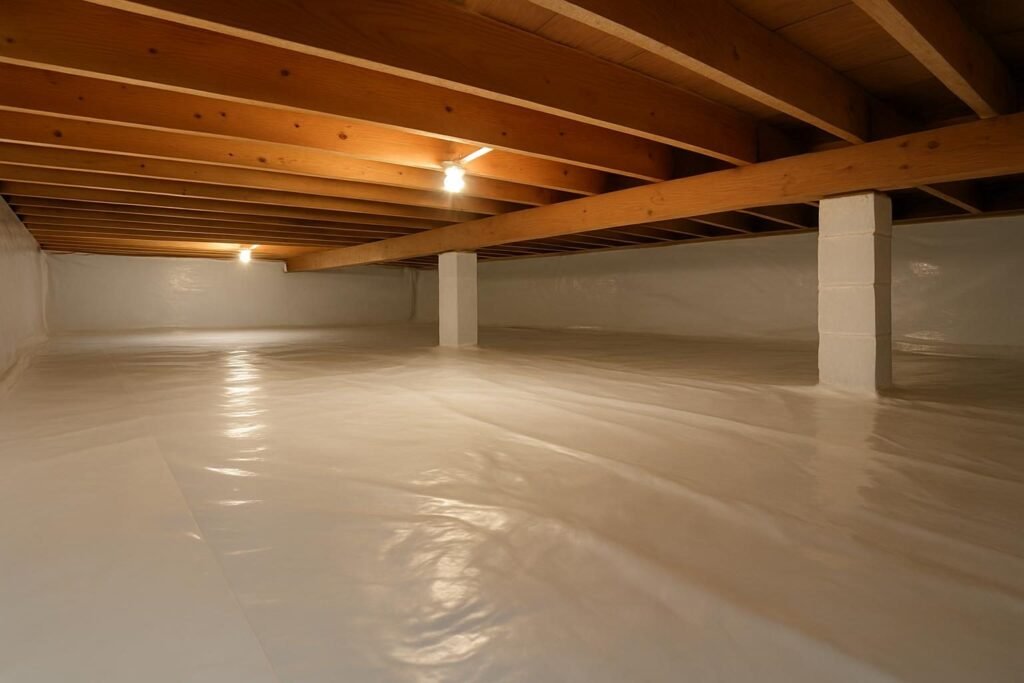
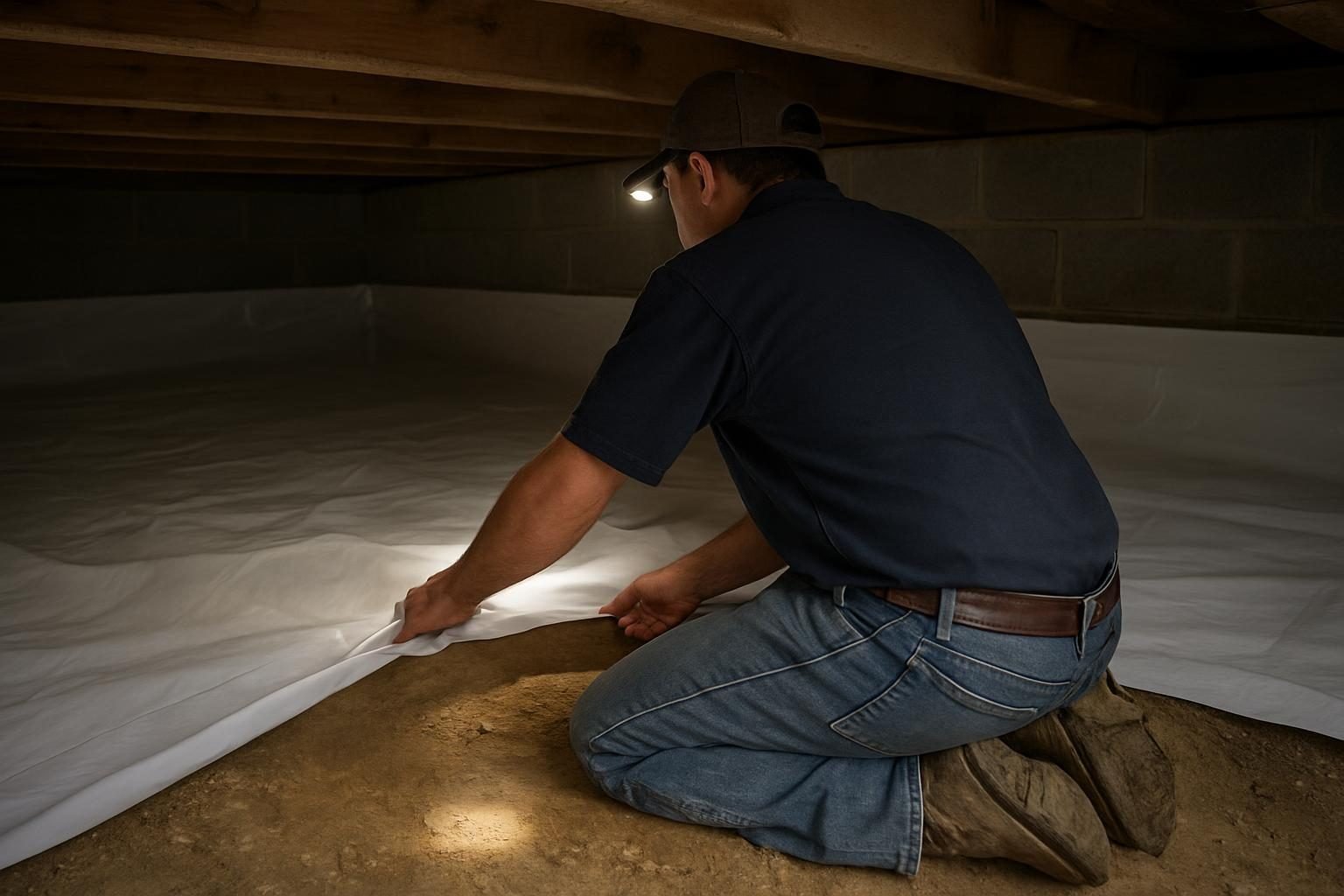
These two get lumped together, but they are different jobs. A vapor barrier is a sheet of plastic laid over the dirt floor. Encapsulation seals the whole space: floor, walls, vents and seams, so it behaves like a small conditioned room instead of an open box.
| Feature | Vapor barrier only | Full encapsulation |
|---|---|---|
| What it covers | Ground only | Ground, walls and seams |
| Foundation vents | Left open | Sealed |
| Humidity control | Limited | Usually with a dehumidifier |
| Typical cost | Lower | Higher |
| Best for | Mild, dry crawl spaces | Humid or damp crawl spaces |
In a dry climate, a simple barrier can be enough. In New Bern, where the air itself carries the moisture, leaving the vents open often defeats the purpose. That is why many local pros recommend sealing and conditioning the space rather than just covering the dirt.
In river country, a vapor barrier alone often fights the symptom while the humid air keeps coming in through open vents.
Crawl space encapsulation cost in New Bern
Costs vary with the size of the space, access, and what condition it is in. The ranges below are typical estimates, not quotes, and your price may fall outside them.
| Scope of work | Typical range |
|---|---|
| Basic vapor barrier on the ground | $1,500 to $4,000 |
| Full encapsulation, average home | $5,000 to $15,000 |
| Large or complex crawl space | $15,000 and up |
| Dehumidifier added | $1,000 to $3,000 installed |
| Drainage or sump pump | $1,500 to $5,000+ |
What drives the price
- Square footage: More area means more liner and more labor.
- Access: Tight, low crawl spaces cost more to work in.
- Existing damage: Rot, mold or pest damage may need separate repair.
- Wall treatment: Sealing the walls adds material and time.
- Drainage: Standing water must be dealt with first.
Insurance rarely covers encapsulation as an improvement, so plan to pay out of pocket. If you are weighing it against other big projects, our roof replacement cost guide gives a sense of how it fits among typical home expenses here.
Dehumidifiers: the part people forget
Sealing a crawl space traps whatever moisture is already inside. A dedicated crawl space dehumidifier pulls it out and holds humidity at a steady level. In our climate, skipping it often leaves the space damp, even with a good liner.
Things to know before you buy:
- Size matters. A unit that is too small runs constantly and wears out early.
- Drainage is needed. The unit has to drain by gravity or pump somewhere sensible.
- Expect a power cost. It runs often in summer, so factor in a modest rise in the electric bill.
- Plan for service. Filters and coils need occasional cleaning.
Local tip: Ask any contractor what humidity level they are targeting and how they will confirm it afterward. A sensor that reads the space is cheap and tells you whether the system is actually working.
Fix the water first
Encapsulation is not a cure for active water problems. If the crawl space floods after storms or has a leaking pipe, sealing it can hide a bigger issue and trap moisture against the wood.
Before any liner goes down, check for:
- Plumbing leaks from supply or drain lines. A local plumber can track these down.
- Gutters and grading that send roof runoff toward the foundation.
- Existing mold that should be assessed under our mold remediation guide before it is covered.
- Structural movement that points toward foundation repair.
If water has already come in, start with our advice on water damage restoration in New Bern and dry things out first.
Sealing a wet crawl space without fixing the water source just traps the problem under a clean white liner.
How to hire a crawl space contractor
Quotes can differ widely for what sounds like the same job, so compare scope line by line. Look for a written bid that spells out the liner thickness, how seams and walls are sealed, what happens with the vents, and which dehumidifier is included.
Questions to ask
- Are you licensed and insured, and can you show proof?
- Will you inspect the space and photograph problems before quoting?
- What warranty covers the liner and the equipment, and who honors it?
- How do you handle drainage and any existing mold or rot?
- Is the HVAC ductwork affected? If so, who coordinates with an HVAC contractor?
Be wary of hard-sell tactics, quotes given without looking at the space, or a price that is far lower than the rest. Check the state licensing board for contractors and verify details with the official source before signing.
Is it worth the cost?
For many New Bern homeowners, yes. A dry, sealed crawl space protects the floor structure, improves indoor air quality and can ease the load on cooling equipment. Buyers and inspectors also tend to look closely at crawl spaces in this area, so a clean, documented job can help at resale.
It is less compelling if your crawl space is already dry, well-vented in a way that works, and free of odors or damage. Have a pro inspect it and tell you plainly what is needed. If you want that second opinion, you can request help with crawl space encapsulation from a vetted local pro through the form on this page.
For more on keeping up a house in this climate, browse our Home & Property section and the Local Pros directory.
FAQ
How much does crawl space encapsulation cost in New Bern?
A typical full job runs roughly $5,000 to $15,000, with larger or damaged spaces costing more. A dehumidifier and drainage work are often extra. Treat these as estimates and get written quotes.
Is encapsulation better than a vapor barrier?
In humid eastern North Carolina, usually yes. A barrier only covers the ground, while encapsulation seals the walls and vents and controls humidity. A barrier alone may be enough in a dry, mild crawl space.
Do I need a dehumidifier?
Most sealed crawl spaces here benefit from one, because it removes trapped moisture and holds humidity steady. Ask your contractor how the unit is sized and where it drains.
How long does encapsulation take?
Many average homes take one to three days, depending on size, access and any repairs needed first. Drainage or mold work can extend the schedule.
Does homeowners insurance cover it?
Usually not, since it is considered an improvement rather than a repair after a covered loss. Check your policy and talk to your agent about your specific situation.
Get a crawl space encapsulation quote in New Bern
Tell us about your home and a vetted local pro will follow up to arrange an inspection and a written estimate.