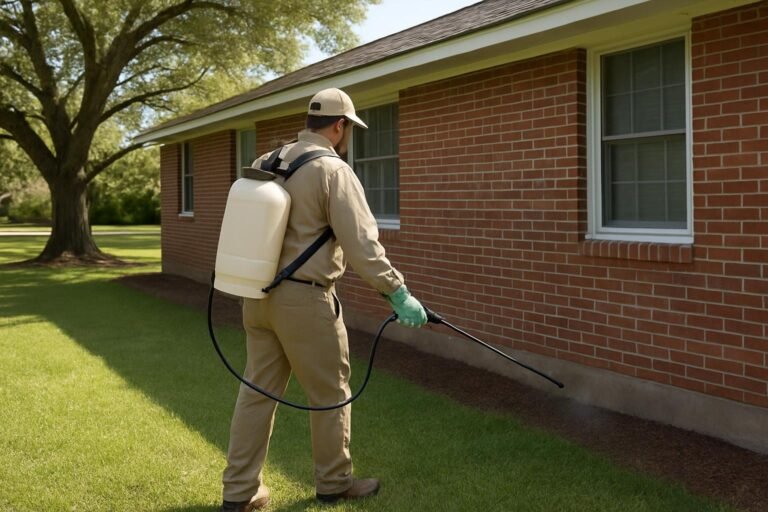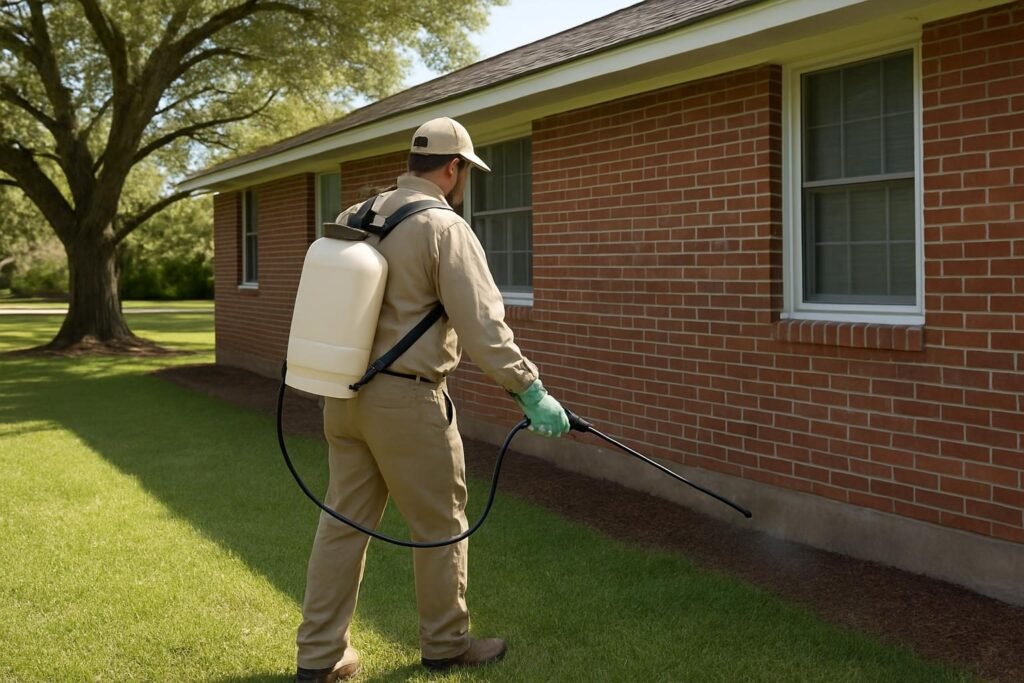
Quick answer: Pest control in New Bern usually means a quarterly or bimonthly service plan covering roaches, ants, spiders and rodents, plus separate treatment for mosquitoes and termites. Typical ranges run roughly $40 to $75 per visit for general pest service, with termite protection and mosquito programs priced separately. The humid, river-fed climate means pests are active almost year-round, so waiting for winter to solve the problem rarely works.
Key takeaways
- Eastern NC humidity keeps roaches, ants and termites active far longer than in drier regions.
- Mosquitoes peak from late spring through fall, and standing water after storms makes it worse.
- Termite protection is the one pest service worth treating as a home-protection decision, not a convenience.
- Quarterly general pest plans are the usual starting point; costs below are typical ranges, not quotes.
- Get written estimates and ask exactly which pests and areas a plan covers.
If you are tired of finding ants on the counter or hearing something in the attic, you can request help with pest control from a vetted local pro using the form on this page.
Why pests are a year-round issue in New Bern
New Bern sits between the Neuse and Trent rivers, with warm summers, mild winters and plenty of moisture. That combination is ideal for insects. Freezes are short and rarely deep enough to knock populations back for long.
Older homes in and around the historic district add another factor. Crawl spaces, wood siding, brick gaps and aging foundations all give pests easy ways in. Newer builds in Trent Woods, River Bend, Fairfield Harbour and Havelock are not immune either, especially where landscaping and irrigation keep soil damp against the house.
- Humidity: feeds roaches, silverfish, termites and mold-loving insects.
- Water everywhere: creeks, ditches, marsh edges and low yards breed mosquitoes.
- Wooded lots: bring ants, spiders and rodents close to the foundation.
Our guide to New Bern weather by month shows how long the warm season really lasts.

Common pests and what to do about them
Here is how the usual suspects behave in Craven County and how they are typically treated.
| Pest | Peak activity | Typical treatment |
|---|---|---|
| Mosquitoes | Late spring through fall | Barrier spray, larvicide, standing-water control |
| Roaches | Year-round, worst in summer | Gel baits, perimeter treatment, sealing entry points |
| Ants | Spring through fall, after heavy rain | Baiting plus exterior perimeter spray |
| Termites | Swarms in spring, damage year-round | Liquid soil treatment or bait stations |
| Rodents | Fall and winter, but possible anytime | Exclusion work, traps, attic and crawl space checks |
Mosquitoes
Anyone living near the water, from Brices Creek to the Neuse shoreline, knows the evening swarm. Professional barrier treatments target the vegetation where adults rest. They help, but they are not a force field, and they need repeating every few weeks during the season.
The cheapest fix is yours: dump standing water from buckets, planters, gutters and boat covers after every rain.
Roaches
Large American roaches (often called palmetto bugs) wander in from outdoors, while smaller German roaches live inside and breed fast. They need different approaches, so tell the technician what you are seeing. Moisture fixes, such as leaky plumbing and damp crawl spaces, matter as much as the spray.
Ants
Ants surge after heavy rain, when nests flood and colonies move inside. Baits work better than spraying visible trails, because the bait carries back to the colony. Carpenter ants deserve a closer look, since they point to damp or damaged wood.
Rodents
Mice and rats move in as temperatures drop, especially near wooded edges and the Croatan National Forest side of the county. Trapping only solves half of it. Lasting control means sealing gaps at rooflines, vents, pipe penetrations and the crawl space.
In eastern North Carolina, the winter freeze never really resets the pest calendar, so plan for all twelve months.
Termites: the one not to ignore
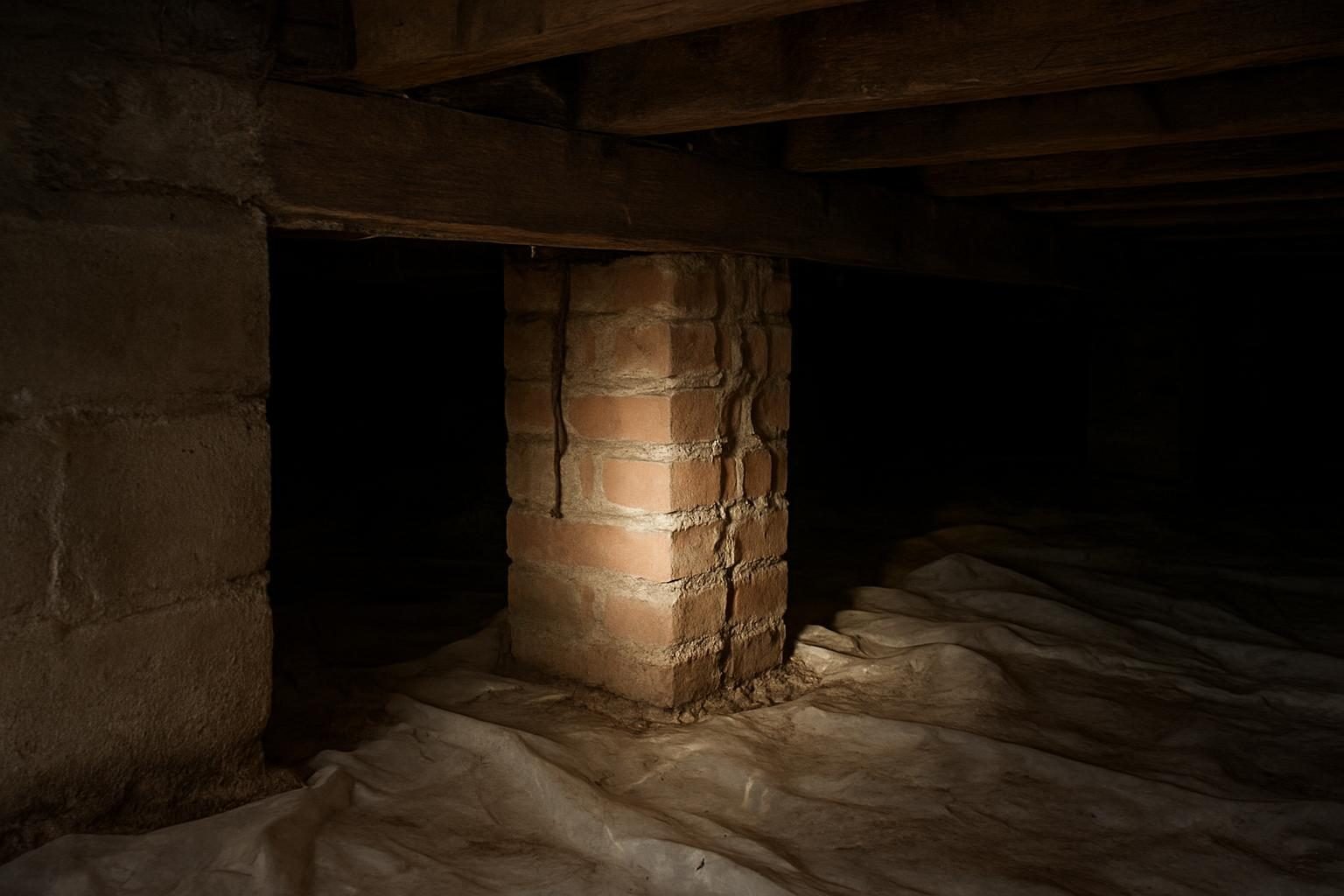
Subterranean termites are common across eastern North Carolina, and they work quietly. By the time you see damage, it may be extensive. Swarmers in spring, mud tubes on foundation walls and soft or hollow-sounding wood are the classic warning signs.
Homeowners usually choose between two approaches:
- Liquid soil treatment: a continuous chemical barrier around the foundation, often with a longer protection window.
- Bait stations: placed around the home and monitored, which colonies carry back to the nest.
Most companies offer an annual inspection or renewal contract after treatment. Read what it covers, particularly whether repair of new damage is included. If an inspection turns up moisture problems or sagging floors, you may also be reading about foundation repair in New Bern, since damp soil and structural issues often travel together.
Local tip: Buying a home here? A wood-destroying insect inspection is standard practice in North Carolina transactions. Ask to see the report and any existing treatment contract before closing.
Seasonal pest calendar for Craven County
Timing helps you decide when service matters most.
- Spring: termite swarms, ant surges, mosquito season begins. A good time to start a plan and schedule a termite inspection.
- Summer: peak mosquitoes, roaches, wasps and spiders. Heat and storms drive insects indoors.
- Fall: rodents start looking for warmth, and mosquitoes hang on through hurricane season. Seal gaps before the first cold snap.
- Winter: quieter outside, but roaches, mice and silverfish stay active indoors.
After a major storm or flood, expect a spike. Standing water breeds mosquitoes within days, and displaced rodents and ants move into dry homes. Our hurricane season guide covers the broader prep, and if floodwater got inside, start with water damage restoration, because lingering moisture invites pests.
Plans and typical costs
Prices vary by company, house size and pest pressure. The ranges below are rough estimates to help you budget, not quotes.
| Service | Typical range |
|---|---|
| One-time general pest treatment | $100 to $250 |
| Quarterly general pest plan, per visit | $40 to $75 |
| Mosquito barrier treatment, per visit | $60 to $120 |
| Termite inspection | Free to about $100 |
| Termite treatment, whole house | $1,000 to $3,000+ |
| Termite annual renewal | $100 to $400 |
| Rodent exclusion and trapping | $200 to $1,000+ |
Larger lots, crawl space work and heavy infestations push costs up. Waterfront properties with dense vegetation often need more frequent mosquito service.
A cheap plan that skips the crawl space and attic often costs more once the problem comes back.
How to choose a pest control company
- Check licensing: pest control businesses and applicators are regulated in North Carolina. Verify status with the NC Department of Agriculture and Consumer Services structural pest control program.
- Ask what is covered: which pests, whether interior visits are included, and whether callbacks between visits are free.
- Get it in writing: scope, price, contract length and cancellation terms.
- Compare treatment methods: a good technician explains the why, not just the product.
- Ask about pets and kids: including re-entry times and where products are applied.
What you can do yourself
Professionals do their best work when the house cooperates. A few habits make a real difference in humid river country.
- Keep mulch and wood piles a few inches to a foot away from the foundation.
- Fix leaky faucets, clear gutters and make sure water drains away from the house.
- Seal gaps around pipes, doors and windows with caulk or steel wool for small openings.
- Run a dehumidifier in damp crawl spaces or closets.
- Store pantry food in sealed containers and take out trash regularly.
- Trim shrubs and branches back from the roofline.
Overhanging limbs are both a pest highway and a storm risk. If trees are close to the house, see our guide to tree removal in New Bern.
Ready to stop guessing? Request pest control help from a vetted local pro and compare what is offered.
For more on keeping a house in good shape, browse our Home & Property section and the Local Pros directory. New to the area? Living in New Bern covers what to expect from the climate and housing.
FAQ
How often should I have pest control service in New Bern?
Quarterly service suits most homes, while bimonthly or monthly visits make sense for heavy roach, ant or mosquito pressure. Termite protection is a separate annual inspection or renewal.
Is termite treatment necessary here?
Termites are common in eastern North Carolina, so most homeowners benefit from an inspection and some form of ongoing protection. Treat any swarm or mud tube as a reason to call promptly.
Do mosquito treatments actually work?
Barrier sprays reduce mosquito numbers around the yard but do not eliminate them, especially near water. Pairing treatment with draining standing water gives the best results.
How much does pest control cost in New Bern?
General quarterly service typically runs about $40 to $75 per visit, while termite treatment can run from about $1,000 into the thousands. These are estimates, so request written quotes.
Does pest control work after a flood or storm?
It helps, but dry out the home first. Moisture and debris keep attracting insects and rodents, so cleanup and drying come before treatment.
Request pest control help in New Bern and Craven County
Tell us what you are seeing and we will connect you with a vetted local pest control pro who will follow up with a written estimate.