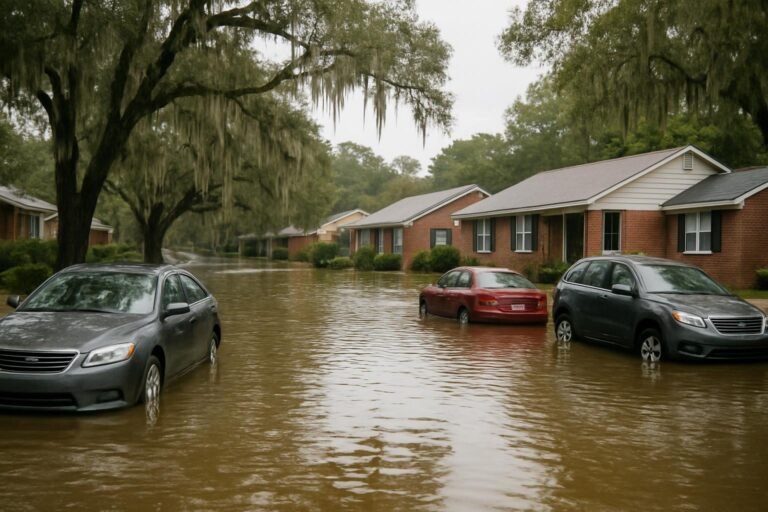
Quick answer: Your after flood home checklist starts with safety: stay out until the structure and electrical system are safe, photograph everything before you touch it, and call your insurer quickly. Then start drying within 24 to 48 hours, because mold takes hold fast in our humid river country.
Key takeaways
- Safety first: floodwater is contaminated and electrical hazards are common.
- Document damage with photos and video before cleaning or discarding anything.
- Dry out within 24 to 48 hours; in our humidity, mold can start quickly.
- Never turn on power to a wet house until a licensed electrician has checked it.
- Get written estimates and verify licenses before signing any contractor agreement.
If you live anywhere near the Neuse or Trent, from Brices Creek and Trent Woods to River Bend and Bridgeton, you already know water can come from rain, storm surge or a river that simply keeps rising. Florence taught a lot of us that the first few days decide how bad the repair bill gets. This checklist walks you through the order that works.
If the damage is more than you can handle yourself, you can request help with water damage restoration from a vetted local pro using the form on this page.
Step 1: Stay Safe Before You Go Back In
Do not rush inside. Floodwater in Craven County often carries sewage, fuel, and runoff from fields and yards. Treat it as contaminated.
- Wait for the all-clear. Check with local officials before returning to evacuated areas, and watch for road closures on US-70, US-17 and NC-43 when water is still up.
- Look at the structure first. Sagging ceilings, shifted foundations, buckled floors and leaning walls are warning signs. Stay out if anything looks unstable.
- Wear protection. Rubber boots, waterproof gloves, safety glasses and an N95-type mask help when you start work.
- Never wade through standing water indoors if the power could still be on.
- Watch for wildlife. Snakes, fire ants and rodents move into dry spots when water rises, including your porch and garage.
Gas smell? Leave and call the utility from outside. Do not light matches, run generators indoors or use open flames.
Step 2: Document Everything Before You Touch It
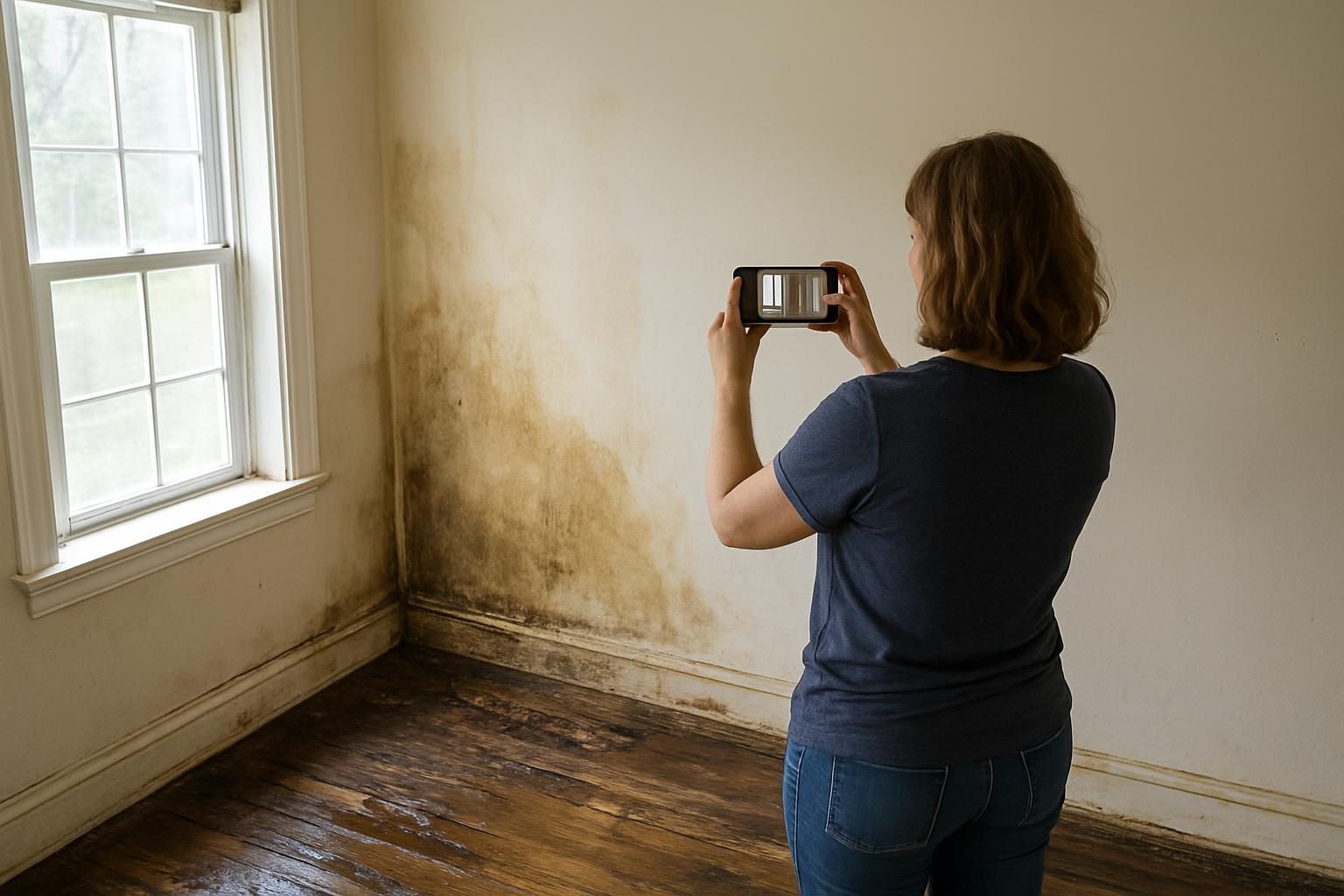
Insurance adjusters want evidence, and memory fades quickly. Spend the first hour inside taking pictures, not hauling things out.
- Shoot wide, then close. Capture each room from the doorway, then close-ups of damage.
- Record video. Narrate as you walk through. Mention the date and the water line height.
- Measure the water line on walls and note how long water stayed.
- Photograph belongings individually: furniture, appliances, electronics, rugs, clothing.
- Keep samples of flooring or carpet if the adjuster may want to see them.
- Make a damaged-items list with approximate age and value.
Back everything up to the cloud or email it to yourself. If you evacuated and cannot get in yet, photograph exterior damage and the water level from a safe distance.
Step 3: Call Your Insurer and Start the Claim
Call as soon as it is safe. Most policies expect prompt notice, and the sooner a claim is open, the sooner an adjuster can be assigned.
One point catches many homeowners: standard homeowners policies generally do not cover flood damage. Flood coverage usually comes from a separate policy, often through the National Flood Insurance Program or a private flood insurer. Wind and wind-driven rain may fall under your homeowners policy instead. Read your policies or ask your agent which one applies to what you are seeing.
| Question to ask | Why it matters |
|---|---|
| Which policy covers this damage? | Flood and wind are often separate policies with separate deductibles. |
| What is my deductible? | Helps you decide on repairs versus claim size. |
| Can I start mitigation now? | Most insurers expect you to prevent further damage and keep receipts. |
| What documentation do you need? | Saves repeat trips and delays. |
| Is there an advance payment for emergency repairs? | Some policies offer one; ask. |
Keep a log of every call: date, name, what was said, and any claim number. Save receipts for hotels, meals, dumpsters and emergency drying. FEMA assistance may be available after a federally declared disaster; check FEMA for current programs and deadlines.
Floodwater and wind damage often fall under different policies, so ask your agent which one applies before you assume anything.
Step 4: Shut Off Utilities and Handle Electrical Safely
Water and electricity do not mix, and flooded wiring can stay hazardous long after the water is gone.
- Cut power at the main breaker only if you can reach it without standing in water. If the panel is wet or the area is flooded, call your utility or an electrician instead.
- Do not use wet outlets, appliances or extension cords.
- Have a licensed electrician inspect the panel, outlets, wiring and anything that was submerged before restoring power.
- Replace, do not dry, flooded breakers and many wiring components if the electrician advises it.
- Check HVAC equipment and water heaters. Units in crawl spaces and garages are common casualties.
Generators are a leading cause of storm-related carbon monoxide poisoning. Run them outdoors, well away from windows, doors and vents. If you are weighing permanent backup power, our upcoming guide on a whole house generator in New Bern will cover the options.
Step 5: Remove Water and Dry Out Fast
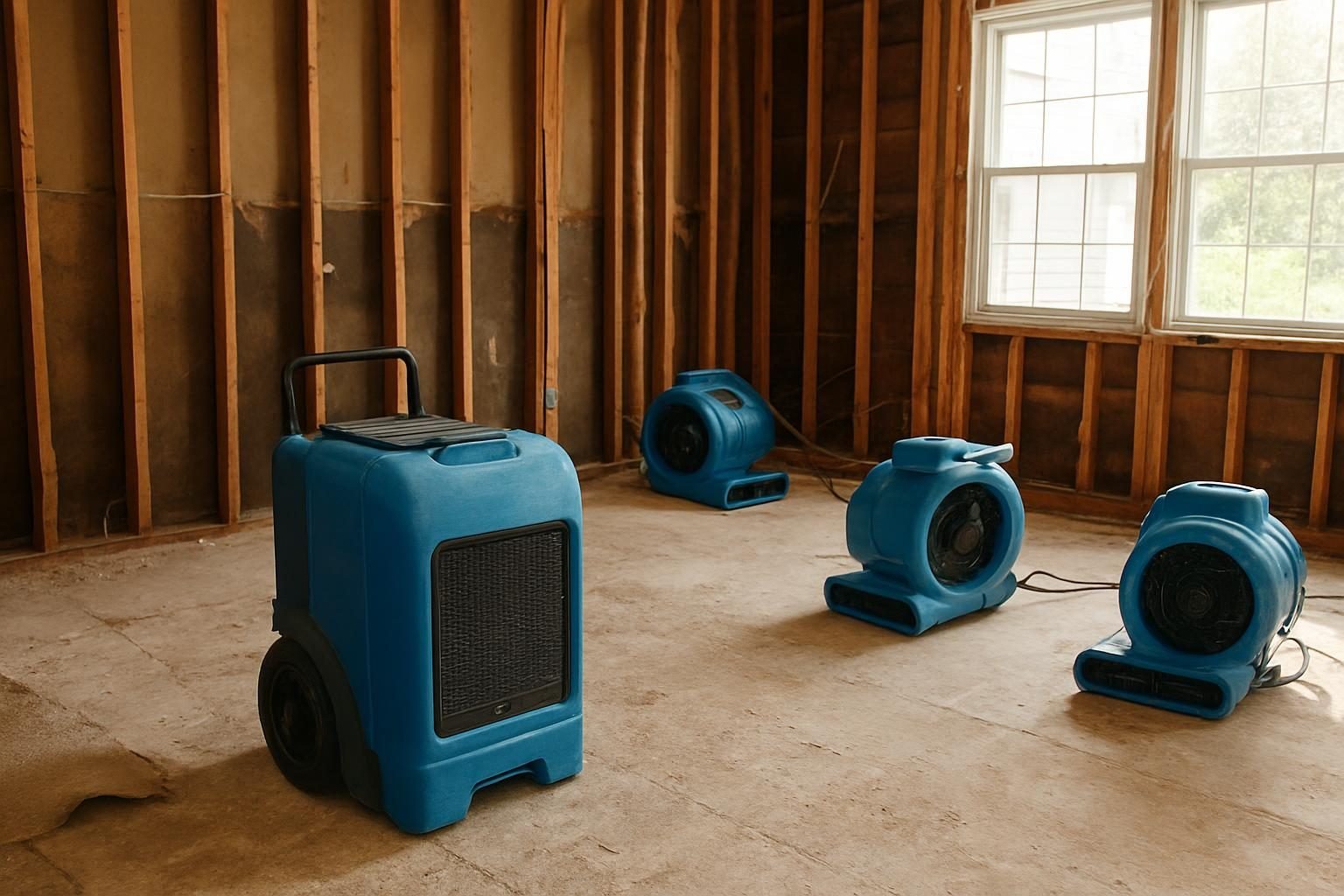
Timing matters more than anything else here. In our heat and humidity, wet materials can start growing mold within a day or two.
What to do first
- Get water out. Use pumps or wet vacs, then mops and towels. Work from the lowest point.
- Open the house when outdoor air is drier than indoors. After a storm, humidity outside may be too high; use dehumidifiers instead.
- Run commercial-grade dehumidifiers and fans. Household units rarely keep up with a flooded home.
- Remove soaked carpet and padding, which rarely dry in time.
- Pull baseboards and cut drainage holes in wet drywall if a pro recommends it, so walls can dry.
What can be saved and what cannot
| Material | Typical outcome after flooding |
|---|---|
| Carpet and padding | Usually discarded, especially after contaminated water |
| Drywall and insulation | Often removed if soaked above a few inches or contaminated |
| Solid hardwood | Sometimes salvageable if dried quickly; may cup or warp |
| Laminate and engineered flooring | Often needs replacement |
| Upholstered furniture and mattresses | Usually discarded |
| Solid wood and metal furniture | Often cleanable and dryable |
Do not forget what is under the house. Wet insulation and standing moisture in the crawl space can cause trouble for months; see our guide to crawl space moisture in eastern NC.
Local tip: If you have a Trent Woods or River Bend home with a crawl space, check it early. Wet insulation and pooled water there are easy to miss and slow to dry.
Step 6: Deal With Mold Before It Spreads
Mold is the second disaster after a flood. It can appear within 24 to 48 hours on damp surfaces, and our humid summers speed it up.
- Look and smell. Dark spots, fuzzy growth and a musty odor are signs, even in hidden spaces like behind cabinets.
- Remove porous materials that stayed wet: drywall, insulation, ceiling tiles.
- Clean hard surfaces with detergent and water, then dry completely.
- Do not mix cleaning chemicals, especially bleach and ammonia.
- Protect yourself with a respirator-grade mask, gloves and eye protection.
- Consider professional help for large areas, HVAC contamination or anyone in the home with asthma, allergies or a weakened immune system.
The EPA publishes practical guidance on cleaning and preventing mold at epa.gov/mold. Keep indoor humidity low, and watch for any musty smell coming back after you think you are done.
In river country humidity, a house that looks dry on day three can still be growing mold inside the walls.
Step 7: Choose a Contractor Carefully
After any big storm, out-of-town crews and opportunists arrive. Most are fine; some are not. Slow down on the signature.
- Verify the license. General contractors working on larger projects in North Carolina need a license; check with the NC Licensing Board for General Contractors. Electricians and plumbers have their own boards.
- Get at least two or three written estimates with scope, materials, timeline and payment terms.
- Ask for proof of insurance and workers’ compensation.
- Be wary of big upfront payments or pressure to sign on the spot.
- Do not sign over insurance benefits or sign blank forms.
- Ask for local references and check how long they have worked in Craven County.
- Get everything in writing, including change orders.
For plumbing repairs, a local plumber in New Bern may be needed for supply lines, drains or water heaters. And if the water left structural issues behind, such as shifting or cracking, have a pro look at foundation repair in New Bern options before you close up walls.
Browse trade categories on our Local Pros page, and if you want a vetted water damage restoration pro to call you, use the request form on this page.
Step 8: Plan Repairs, Rebuilding and Prevention
Once the house is dry and inspected, you can rebuild. It is also your best chance to make the next flood less costly.
- Check flood zone status. Your zone affects insurance, elevation rules and repair requirements. See our guide to flood zones in New Bern.
- Ask the county about permits. Substantial damage can trigger rules on rebuilding and elevation. Check with Craven County and your town’s permitting office.
- Use flood-resistant materials where you can: tile, closed-cell insulation, treated lumber and moisture-resistant drywall.
- Raise electrical and HVAC components above likely water levels when rebuilding.
- Review your coverage and compare flood policy options.
- Clean up the yard. Storm debris and downed limbs may need tree removal in New Bern before repairs can proceed.
Owners of older homes face extra quirks with plaster, original wood and old wiring; our older home maintenance guide covers those. Next time, start with our hurricane prep checklist and the lessons in hurricane season in New Bern. More homeowner guides live in our Home & Property section.
If you are staring at wet floors and walls and are not sure where to begin, you can request water damage restoration help from a vetted local pro with the form below.
FAQ
How soon should I start drying my house after a flood?
Start as soon as it is safe, ideally within 24 to 48 hours. Mold can begin growing in that window, especially in our humid climate.
Does homeowners insurance cover flood damage in Craven County?
Usually not. Standard homeowners policies generally exclude flood, which is typically covered by a separate flood policy. Wind or wind-driven rain damage may be covered under your homeowners policy, so confirm with your agent.
Can I turn the power back on myself?
Not if the wiring, outlets or panel got wet. Have a licensed electrician inspect and approve the system before power is restored.
Should I hire a professional or dry the house myself?
Small, clean-water spills can be handled yourself. Floodwater is contaminated, and larger jobs need commercial drying equipment and moisture monitoring, so a restoration pro is usually the safer bet.
What should I photograph for my claim?
Every damaged room, the water line on walls, individual belongings, appliances and exterior damage. Take photos and video before you clean or throw anything away.
Need Water Damage Help in New Bern or Craven County?
Tell us about the damage and a vetted local restoration pro will contact you to discuss next steps.