Quick answer: Older home maintenance in New Bern comes down to controlling water and humidity first, then protecting original materials like wood windows, plaster and old-growth framing rather than replacing them. Stay ahead of moisture, termites and foundation movement with a simple seasonal routine, and hire trades who have worked on pre-1950 houses before.
Key takeaways
- Moisture is the root cause of most problems in river-country houses: rot, mold, peeling paint, termites and sagging floors.
- Original wood windows and plaster are usually repairable, and often worth repairing.
- Termite protection should be treated as ongoing, not a one-time fix.
- Rules in the historic district generally focus on exterior changes visible from the street, so check before you start.
- Ask any contractor for recent old-house references, not just general licensing.
New Bern has some of the oldest houses in North Carolina, and they have lasted because people kept up with them. The climate here is not gentle. Heat, humidity, salt air drifting in from the sound, heavy rain and the occasional hurricane all test an old house year after year.
This guide covers what actually needs attention, what can wait, and how to find people who know what they are doing. If you would rather hand off a repair, you can request help with home repair from a vetted local pro using the form on this page.
Why Older Homes in New Bern Need Different Care
Houses built before the mid-1900s were designed to breathe. They used lime-based or gypsum plaster, single-pane wood windows, wide eaves, raised foundations and tall ceilings. Many of those features were smart responses to a hot, wet climate.
Problems usually start when well-meaning updates fight the original design. Sealing a house too tightly, using hard cement-based patching on soft old brick or masonry, or painting over damp wood can trap moisture instead of letting it out.
- Work with the house: repair rather than replace when you can.
- Use compatible materials: soft mortar for old brick, breathable finishes, wood for wood.
- Fix the cause: a stained ceiling is a symptom, and the leak is the problem.
If you are still deciding where to buy, our guides to the best neighborhoods in New Bern and living in New Bern explain how housing age varies around town. The Home & Property hub collects our other ownership guides.
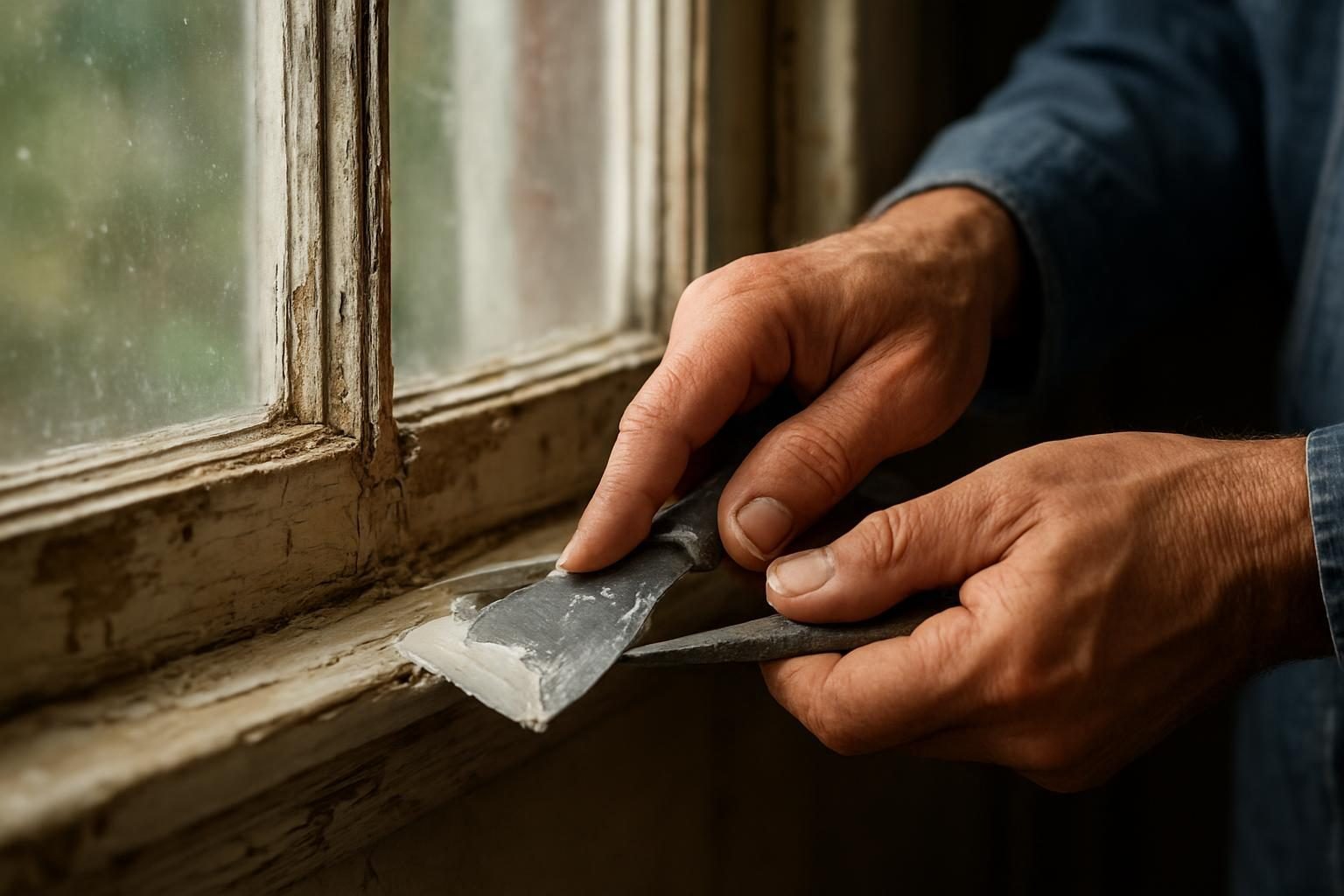
Wood Windows: Repair Before You Replace
Original wood windows in older New Bern houses were often cut from dense, slow-growth lumber that holds up better than many modern replacements. A window that sticks, rattles or has peeling paint is rarely a lost cause.
Common problems and typical fixes
| Problem | Usual cause | Typical fix |
|---|---|---|
| Sash will not move | Paint buildup or swollen wood | Free the sash, scrape and re-wax tracks |
| Rattling or drafts | Worn glazing or missing weatherstripping | Re-glaze, add weatherstripping |
| Soft spots on sill | Water sitting on the sill | Epoxy consolidation or sill replacement |
| Broken sash cord | Age | Replace cords or install spring balances |
A well-fitted storm window, either exterior or interior, closes most of the energy gap between old single-pane glass and a new replacement window. It is also reversible, which matters if you live in a regulated area.
Local tip: Keep window sills sloped, caulked and painted. In our humid climate, a failed paint line at the sill is the usual start of rot.
Plaster Walls and Ceilings
Plaster is heavier, quieter and more fire-resistant than drywall, and it can usually be repaired. Hairline cracks are normal in an old house, especially around doors and windows where the structure flexes with seasonal humidity.
- Hairline cracks: fill and repaint; they often return slightly and that is acceptable.
- Bulging or loose plaster: the keys holding it to the lath have failed. It can often be reattached with plaster washers and screws.
- Stains or powdery surface: check for a leak or damp wall before patching.
Avoid tearing out plaster to put up drywall unless it is badly failed. Demolition is messy, and pre-1978 homes may contain lead paint, so use lead-safe practices and qualified trades. Old ceilings sometimes sag from age or past water leaks, and a plaster specialist can assess whether to re-secure or replace.
Most rot, mold and termite trouble in river-country houses traces back to the same thing: water that never had a place to go.
Foundations, Crawl Spaces and Moisture
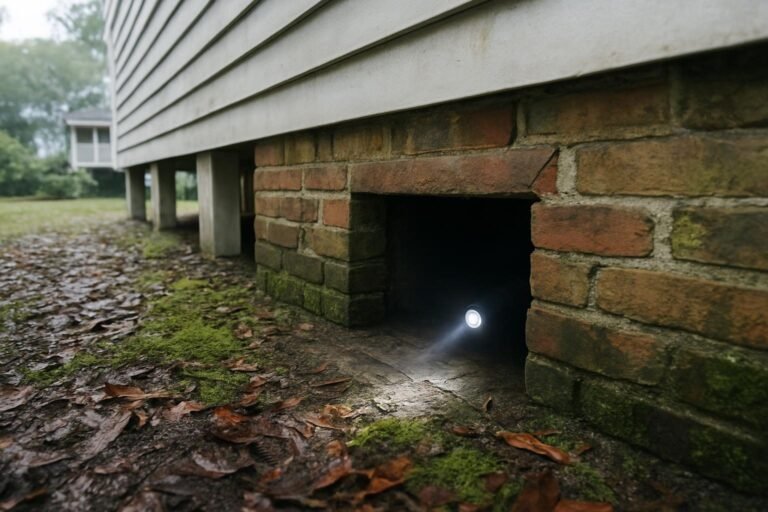
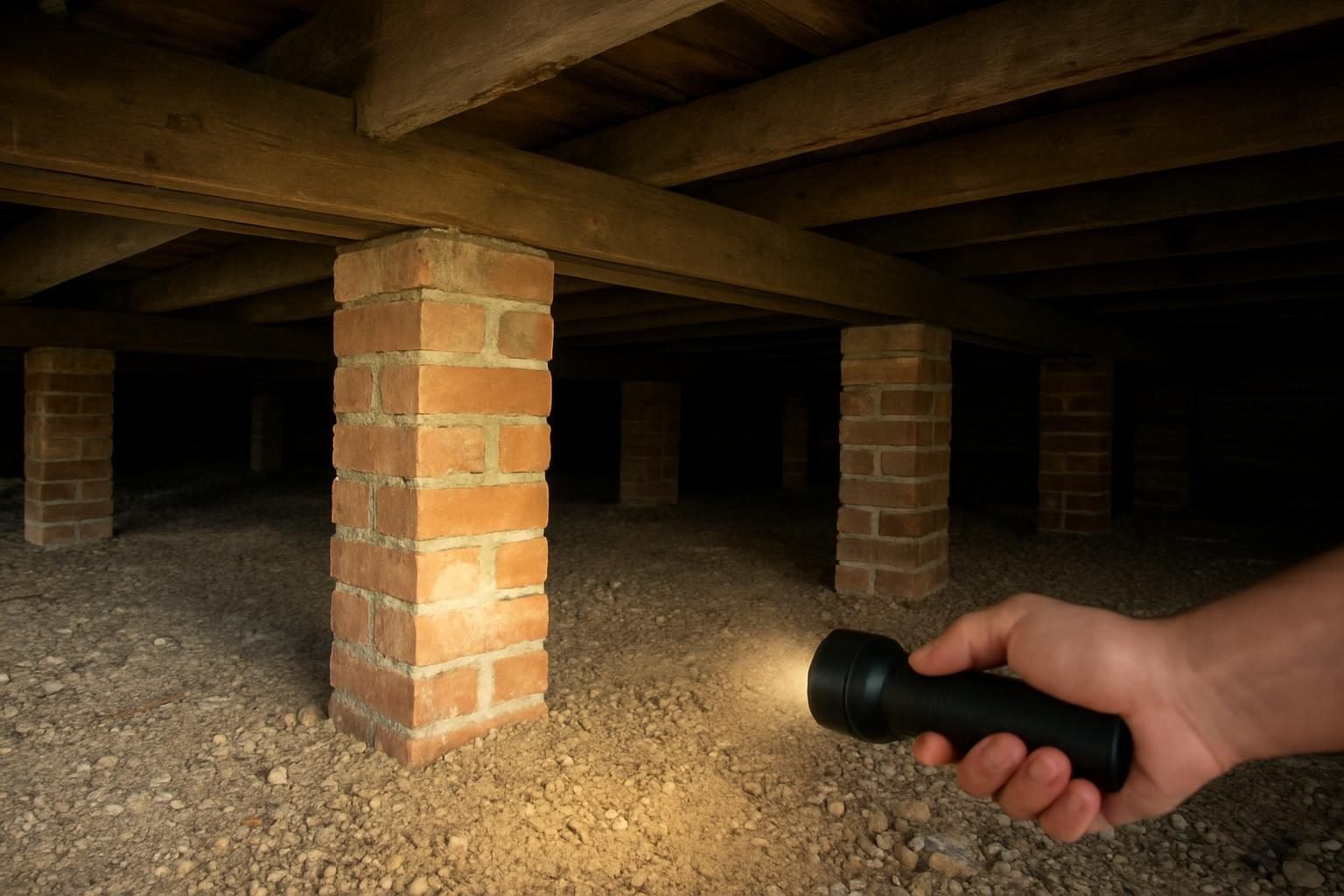
Many older New Bern houses sit on brick piers or a brick foundation with a vented crawl space. With a high water table, this is where much of the long-term damage starts.
What to watch for
- Floors that bounce, slope or feel cold and damp
- Musty smells or visible mold on subfloor or joists
- Cracked or leaning brick piers, or crumbling mortar
- Standing water, wet soil or sagging insulation under the house
- Doors and windows that suddenly stick or no longer close
Some settling is normal in a house that is a century old, but new or widening cracks deserve a closer look. Poor drainage, clogged gutters and downspouts dumping next to the foundation are the usual culprits, and they are cheap to fix compared with structural repair.
Crawl space moisture control is a big topic in this region, and we cover it separately in our guide to crawl space moisture in eastern North Carolina. If your property is in a low-lying area, also read about flood zones in New Bern before you invest in major foundation work.
Termites and Wood-Destroying Insects
Subterranean termites are a fact of life in eastern North Carolina, and older wood-framed houses are a favorite target. Moisture-damaged wood attracts them, which is another reason water control matters.
- Signs of activity: mud tubes on foundation walls or piers, discarded wings near windows, hollow-sounding wood, bubbling paint.
- Prevention: keep soil and mulch away from siding, fix leaks quickly, remove wood scraps and stumps near the house.
- Protection: a licensed pest control company can set up a treatment or bait system and a renewable inspection contract.
Ask what the contract covers, whether it includes repair of damage, and how often inspections occur. Our upcoming guide to termites in eastern North Carolina goes deeper on treatment options.
Roof, Gutters and Exterior Paint
Water management above the house is just as important as below it. Old roofs, flashing around chimneys and valleys, and overflowing gutters are frequent leak sources.
- Inspect the roof after each major storm, from the ground with binoculars if possible.
- Clean gutters in spring and after leaf drop, and confirm downspouts discharge several feet from the foundation.
- Repaint exterior wood before bare spots appear. Scrape, prime and use quality exterior paint.
- Trim limbs that touch the roof or siding, since they hold moisture and scrape surfaces.
When the time comes to replace a roof, see our guide on roof replacement cost in New Bern for typical ranges. For storm readiness, our hurricane prep checklist for New Bern homes covers shutters, roof straps and what to do before a storm.
A little scraping and painting every few years costs far less than replacing a rotted sill, sash or porch post.
Historic District Rules in General Terms
Much of downtown New Bern falls within a locally regulated historic district, and many other properties are listed on the National Register. The two are different: a National Register listing alone generally does not restrict what a private owner does, while local district rules often review exterior changes.
- Usually reviewed: windows and doors, siding, roofing material changes, porches, fences, additions, demolition and paint changes in some cases.
- Usually not reviewed: routine repairs using the same materials, interior work, and maintenance that does not change appearance.
- Best practice: contact the City of New Bern planning staff before ordering materials or signing a contract.
Rules, boundaries and approval processes change, so confirm current requirements with the city. Owners who want to understand what makes the district special can follow our self-guided walking tour of the historic district, and our short history of New Bern gives context for the architecture you are caring for. More background lives in the History & Culture hub.
A Simple Seasonal Maintenance Routine
| Season | Focus |
|---|---|
| Spring | Check roof and gutters, inspect crawl space, look for termite signs, touch up exterior paint |
| Summer | Watch humidity indoors, run dehumidification as needed, check AC drain lines, trim vegetation off the house |
| Fall | Hurricane-season readiness, clear gutters, re-caulk and seal gaps before cooler weather |
| Winter | Inspect for leaks after storms, service heating, check attic for moisture or pests |
For climate context, see New Bern weather by month and hurricane season lessons from Florence. If you have taken on water, our after-flood home checklist will help with the first steps.
Finding Qualified Trades for an Older Home
General contractors are not all equal when it comes to old houses. Look for people who understand traditional materials and can explain why they would repair rather than replace.
- Verify licensing: check contractor and trade licenses with the North Carolina Licensing Board for General Contractors or the relevant state board.
- Ask for old-house references: recent jobs on houses of similar age, ideally in New Bern, with photos if available.
- Get written estimates: compare scope, materials and timelines, not just the bottom line.
- Confirm insurance: liability and workers’ compensation coverage.
- Be cautious of pressure: storm-chasers and door-to-door offers after a hurricane are a known risk.
Specialists to keep in mind include window restoration carpenters, plasterers, masons, pest control firms, painters trained in lead-safe work and, for water problems, water damage restoration teams. Our Local Pros hub is a good starting point.
If you want a vetted contractor to look at your house, you can request home repair help through the form on this page.
FAQ
How often should I have an older New Bern home inspected?
A walk-around each spring and fall, plus a professional termite inspection annually, catches most problems early. After any major storm, check the roof, gutters and crawl space.
Should I replace my original wood windows?
Usually not. Most can be repaired and weatherstripped, and adding storm windows improves efficiency. In the historic district, replacement may also require approval.
Is mold common in older homes here?
Humidity makes it a regular concern. Control moisture under the house, keep gutters working and use dehumidification where needed. Persistent mold means there is an active moisture source to find.
Do I need approval to repair my house in the historic district?
Like-for-like routine repairs often do not, but changes to visible exterior features commonly do. Contact the City of New Bern planning staff before starting work to confirm.
What does older home maintenance cost in New Bern?
It varies widely by house and scope. Budgeting a percentage of the home’s value each year is a common rule of thumb, and older houses tend toward the higher end. Get several written estimates for any major job.
Request home repair help for your older New Bern house
Tell us what needs attention and we will connect you with a vetted local pro who works on older homes.