Quick answer: A good plumber in New Bern can handle everything from a dripping faucet to a failed water heater, but the area’s older homes, humid climate and flood history shape what goes wrong most often. Expect typical service calls to run from roughly $100 to $400 for small repairs, with bigger jobs like water heater replacement or repiping costing much more. In an emergency, shut off the water first, then call.
Key takeaways
- Historic homes often have galvanized, cast iron or clay lines that fail in ways modern PVC and PEX houses do not.
- Water heaters in humid, coastal conditions typically wear out in the 8 to 12 year range.
- Know where your main shutoff is before you need it, because minutes matter during a burst pipe.
- Get a written estimate, confirm the plumber is licensed in North Carolina, and ask about after-hours rates up front.
If you have a leak, a slow drain or a water heater acting up, you can request help with plumbing repair from a vetted local pro using the form on this page. The rest of this guide explains what to expect, so you can judge an estimate when it arrives.
Why Plumbing in New Bern Is Different
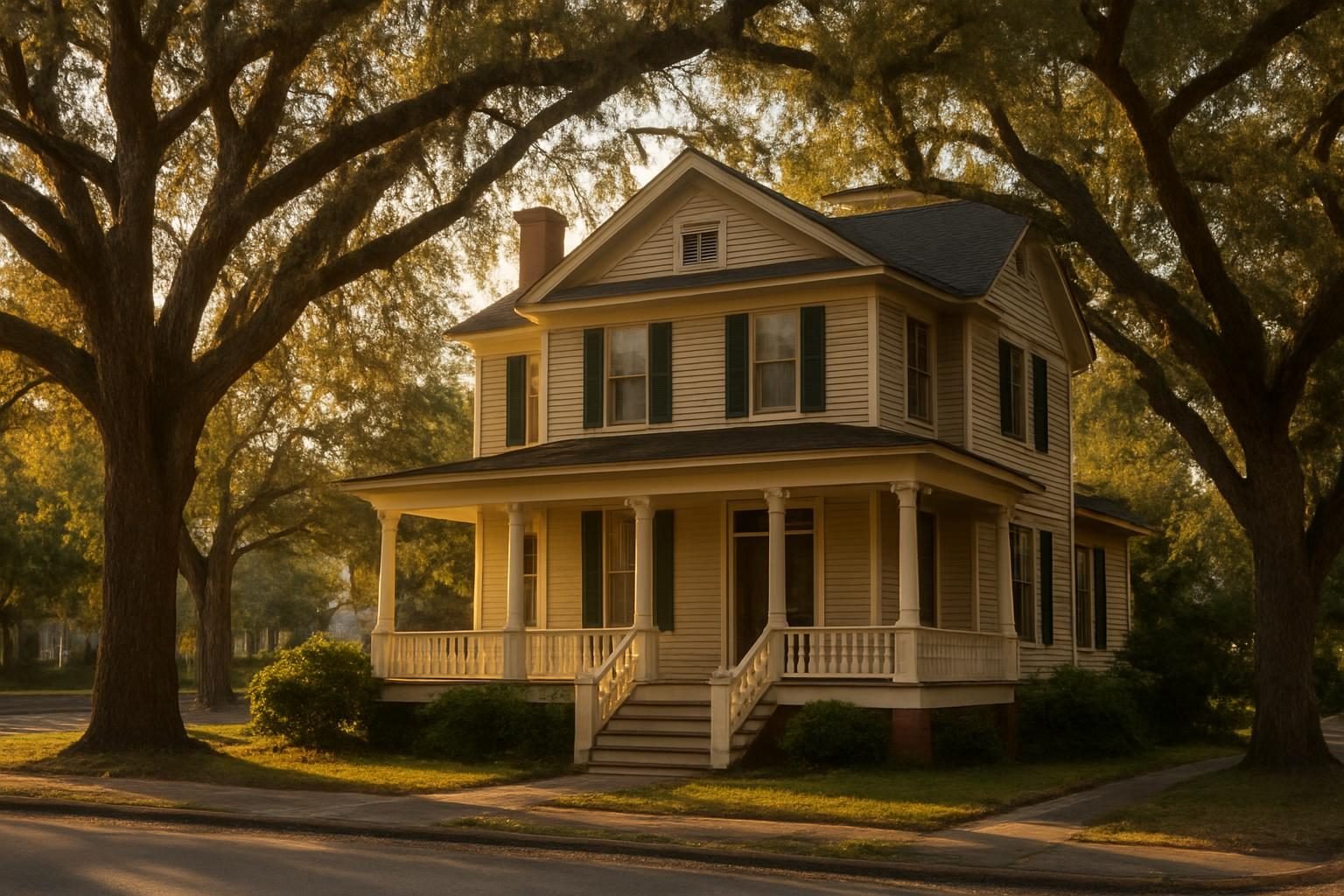
New Bern is one of North Carolina’s oldest towns, and the housing stock shows it. A bungalow near downtown, a 1920s home in the historic district and a 2005 build in Trent Woods or River Bend all have very different plumbing under the floor.
Add a high water table, humid summers and the occasional hurricane, and a plumber here deals with problems that a dry-climate contractor rarely sees.
- Humidity: Sweating pipes, corroded fittings and mold around leaks show up faster in river country.
- Soil and water table: Low-lying lots near the Neuse and Trent can stress buried lines and complicate sewer work.
- Age: Many homes have had piecemeal updates, so you may find three generations of pipe in one house.
- Storms: Flooding and power loss can damage water heaters, sump pumps and sewer connections.
If you own an older place, our older home maintenance guide for New Bern covers plumbing alongside the rest of the upkeep list.
Common Plumbing Jobs in New Bern
Most calls fall into a handful of categories. Here is what plumbers here see most often.
Leaks and Burst Pipes
Slow leaks under sinks and behind walls are the sneaky ones. They can run for months in humid air before you see a stain. Freezes are rarer here than up north, but a hard cold snap can still split pipes in crawl spaces, especially in older homes with little insulation.
Water Heaters
Tank water heaters usually last roughly 8 to 12 years. Signs of trouble include rusty water, rumbling noises, pooling at the base and water that never gets hot. Replacement is one of the most common big-ticket jobs.
Drains, Clogs and Sewer Lines
Tree roots are a real problem in established neighborhoods with mature oaks. Older clay and cast iron sewer lines crack, sag or fill with roots. A plumber can run a camera through the line to show you what is actually wrong before you agree to dig.
Fixtures, Toilets and Garbage Disposals
Running toilets, failing shutoff valves and tired faucets are quick fixes, and they are worth doing early because a $20 part can save a big water bill.
Repiping
Galvanized steel pipe, common in mid-century and older homes, corrodes from the inside, restricting flow and turning water brown. Some older homes also carry polybutylene, a gray plastic pipe used in the 1970s to 1990s that is known for failing. If you are buying an older home, ask your inspector to look at the supply lines.
Typical Cost Ranges
Prices vary by company, job complexity, access and time of day. Treat the table below as a rough guide only, and always get a written estimate for your specific situation.
| Job | Typical range (estimate) |
|---|---|
| Service call or diagnostic fee | $75 to $200 |
| Faucet or toilet repair | $100 to $350 |
| Clog or drain clearing | $125 to $400 |
| Water heater replacement (tank) | $1,200 to $2,500 |
| Tankless water heater install | $2,500 to $5,500 |
| Sewer camera inspection | $150 to $500 |
| Leak detection and repair | $200 to $1,000+ |
| Whole-house repipe | $4,000 to $15,000+ |
These are typical ranges, not quotes. Historic homes with tight access, plaster walls or unusual layouts often land at the higher end because the work takes longer.
Local tip: After-hours and weekend calls usually carry a premium. Ask for the rate before the plumber drives out, and if the leak is contained after you shut off the water, it may be fine to wait for regular hours.
The cheapest time to fix a plumbing problem is the day you first notice it.
What to Do in a Plumbing Emergency
A burst pipe or overflowing toilet can do real damage in minutes. Follow these steps in order.
- Shut off the water. Turn the main shutoff valve clockwise until it stops. In many homes it is near the water meter, in a utility area, a crawl space or where the line enters the house.
- Cut power if water is near electrical. If water is near outlets, panels or appliances, turn off the breaker for that area, but only if you can reach the panel safely and dry.
- Open faucets. Open the lowest and highest taps to drain the lines and relieve pressure.
- Contain the water. Use towels, buckets and a wet vac. Move rugs and valuables out of the way.
- Turn off the water heater. If the tank is leaking or the supply is shut off, switch off the gas or power so it does not run dry.
- Take photos. Document the damage before cleanup for any insurance claim.
- Call a plumber. Describe what you see and what you have already done.
If water has soaked floors, walls or insulation, drying quickly matters. Our guide to water damage restoration in New Bern explains what to do first and when to bring in a restoration company.
Know Your Shutoffs Now
Do not wait for an emergency to find the main valve. Walk through your home today and locate it, plus the shutoffs under each sink and behind each toilet. Test the main once a year, because old valves can seize. If yours will not turn, ask a plumber to replace it before you need it.
Water Heaters in River Country
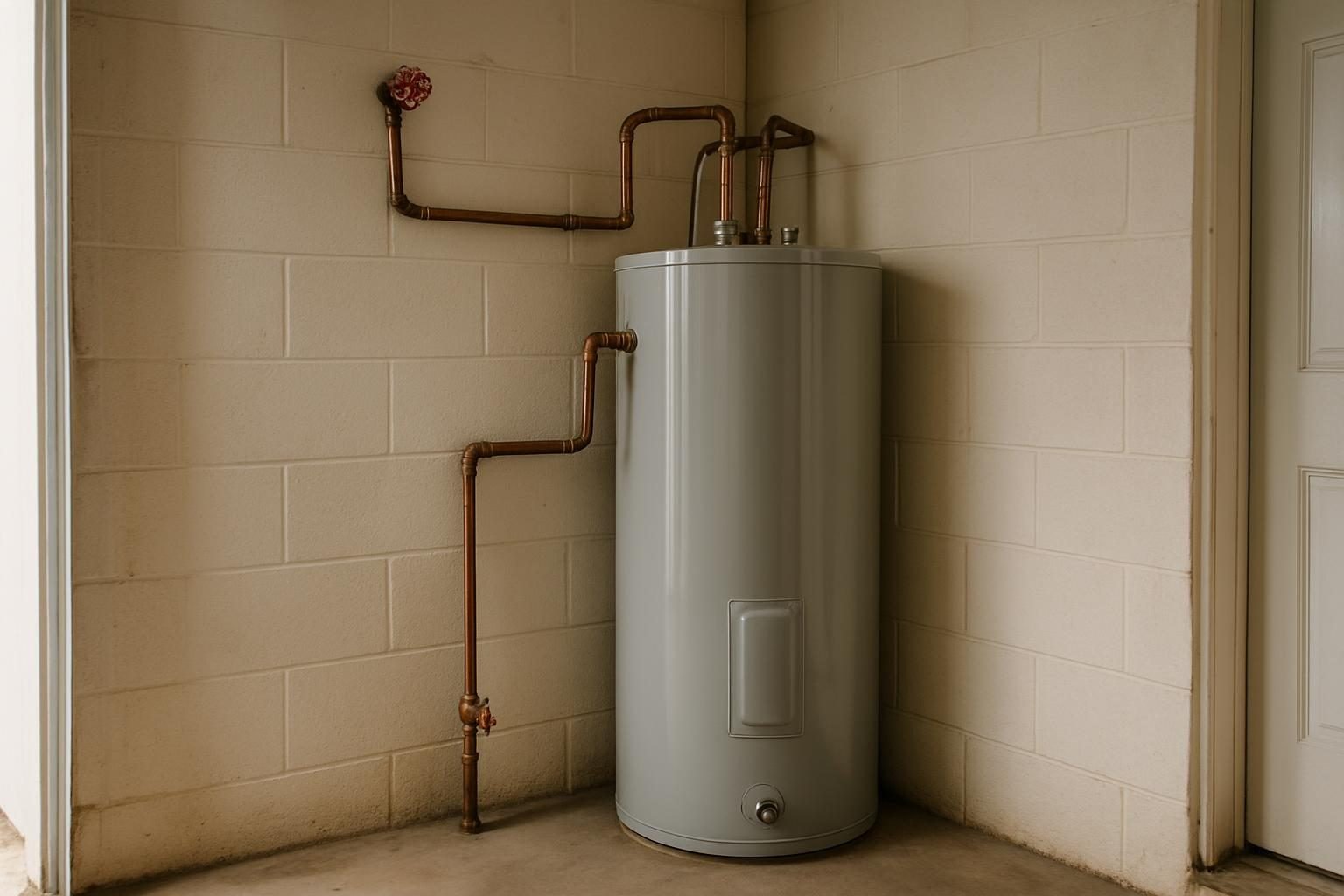
New Bern’s humid climate and local water chemistry can be hard on tanks. Sediment builds up, anode rods wear out and corrosion sets in at the connections.
- Flush the tank once a year to clear sediment, if your manufacturer recommends it.
- Check the anode rod every few years, since it protects the tank from rusting.
- Look at the age label. The serial number usually encodes the manufacture date.
- Watch for leaks at the base and around the pressure relief valve.
If your tank is in a garage or closet at ground level in a flood-prone area, consider raising it. Our guide to flood zones in New Bern explains how elevation and flood risk affect what you should protect.
Tankless units cost more up front and need proper venting and gas sizing, so have a plumber assess your setup before committing. And since comfort systems often get replaced together, you may want to read our guide to HVAC repair in New Bern if you are planning other mechanical work.
In an old house, the pipe you can see is rarely the whole story.
Plumbing in Historic Homes
Owning a home in the historic district is rewarding, but its plumbing needs a careful hand. Plaster walls, original framing and crawl spaces with limited clearance make even simple work harder.
- Ask about experience. Choose a plumber who has worked in older homes and respects the structure.
- Plan for surprises. Opening a wall may reveal old patches, mixed materials or hidden leaks.
- Check for rules. Exterior changes in the historic district may need review, so confirm requirements with the city before starting.
- Consider phased repiping. Replacing the worst runs first can spread cost over time.
If you are exploring the area’s older neighborhoods, our walking tour of the historic district shows just how much character, and how much aging infrastructure, these streets hold.
How to Hire a Good Plumber
A little vetting saves a lot of grief. Use this checklist before you say yes.
- License: Verify the plumber’s license with the North Carolina State Board of Examiners of Plumbing, Heating and Fire Sprinkler Contractors.
- Insurance: Ask for proof of liability coverage.
- Written estimate: Get the scope, parts and labor in writing before work begins.
- Clear pricing: Ask whether the service fee is waived if you proceed with the repair.
- Warranty: Ask what is guaranteed on parts and workmanship.
- Second opinion: For large jobs like repiping or sewer replacement, get at least two quotes.
Be cautious of anyone who pushes a major replacement without showing you the problem, demands full payment up front or will not put a price in writing. After a major storm, out-of-town crews often arrive, so check licensing before letting anyone into your home.
You can verify a license through the North Carolina plumbing licensing board. For help with a repair now, request plumbing repair help from a vetted local pro and compare what you hear against the cost ranges above.
Plumbing Tips for Newcomers and Military Families
If you are new to the area, especially if you are renting or buying near Cherry Point, a few habits go a long way. Our moving to New Bern guide and Havelock living guide cover the wider picture.
- Find the main shutoff the day you move in.
- Ask your landlord or seller for any plumbing repair records.
- Look under sinks and around the water heater for stains during your walkthrough.
- Before a long deployment or trip, shut off the main and consider draining the lines.
- Ask your insurer what plumbing and water damage coverage includes, since policies differ.
FAQ
How much does a plumber cost in New Bern?
Typical service calls run roughly $75 to $200 for the visit, with small repairs often totaling $100 to $400. Larger jobs like water heater replacement or repiping cost much more. These are estimates, so get a written quote.
What should I do first if a pipe bursts?
Shut off the main water valve, cut power if water is near electrical, open faucets to drain the lines and then call a plumber. Photograph the damage for insurance.
How long do water heaters last here?
Tank units typically last about 8 to 12 years, sometimes less in humid coastal conditions or with heavy sediment. Annual flushing and anode rod checks can help.
Do old New Bern homes need repiping?
Not always, but galvanized steel and polybutylene pipes are common trouble spots. A plumber can inspect the lines and tell you whether to repair, replace in phases or repipe entirely.
How do I know a plumber is licensed?
Ask for the license number and check it with the North Carolina State Board of Examiners of Plumbing, Heating and Fire Sprinkler Contractors. Also ask for proof of insurance.
When you are ready, use the form on this page to request plumbing repair help from a vetted local pro. For more on keeping your property in shape, browse our Home & Property hub and the Local Pros directory.
Need a plumber in New Bern? Request a vetted local pro
Tell us about the job and a vetted local plumbing pro will follow up to discuss your repair and give you an estimate.