Quick answer: Foundation repair in New Bern usually means fixing settled or rotted piers, sagging crawl space floors, or cracked masonry caused by soft soil and constant moisture. Typical jobs range from a few hundred dollars for minor pier adjustments to many thousands for extensive underpinning, and a structural engineer’s report is the best first step before you sign anything.
Key takeaways
- Most local foundation trouble starts with water: high water tables, poor drainage and crawl space humidity.
- Sloping floors, sticking doors and cracks wider than a quarter inch deserve a professional look.
- Costs vary widely, so get an independent engineer’s assessment before comparing contractor bids.
- Fixing drainage and moisture is often as important as fixing the structure itself.
If you own an older home near the Trent or Neuse, or a newer one on filled lots in a subdivision, foundation questions come with the territory. This guide covers what to watch for, why our ground behaves the way it does, what repairs typically cost and how to pick someone trustworthy. If you want help now, you can request help with foundation repair from a vetted local pro using the form on this page.
Why foundations struggle in New Bern and Craven County
We live on a coastal plain. The ground is low, flat and often wet, and the water table sits close to the surface in many neighborhoods. That combination is hard on any structure resting on it.
- Soft, sandy and clay-mixed soils: Some areas drain slowly, while others shift as moisture levels rise and fall.
- High water table: After heavy rain or a tropical system, the ground can stay saturated for days or weeks.
- Humidity: Damp air rises into crawl spaces, feeding wood rot, mold and rusting hardware.
- Flooding history: Storms like Florence reminded many homeowners how quickly water can undermine soil around footings.
- Tree roots: Big live oaks and pines pull moisture from the soil and can dry out ground unevenly near a house.
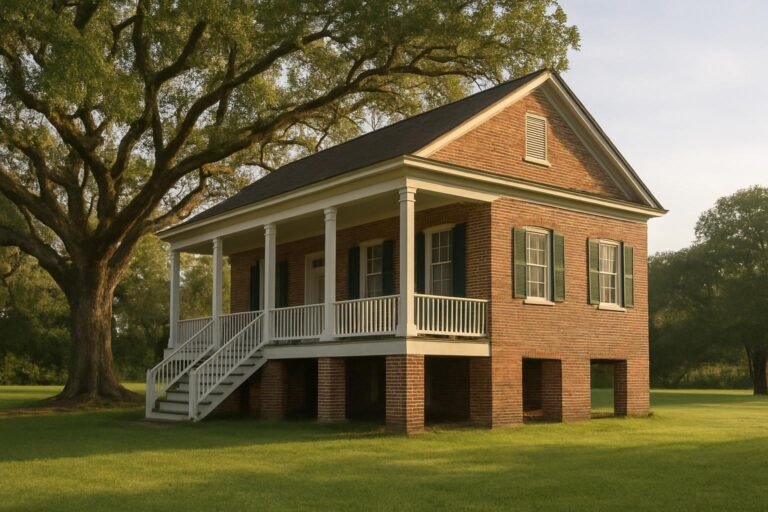
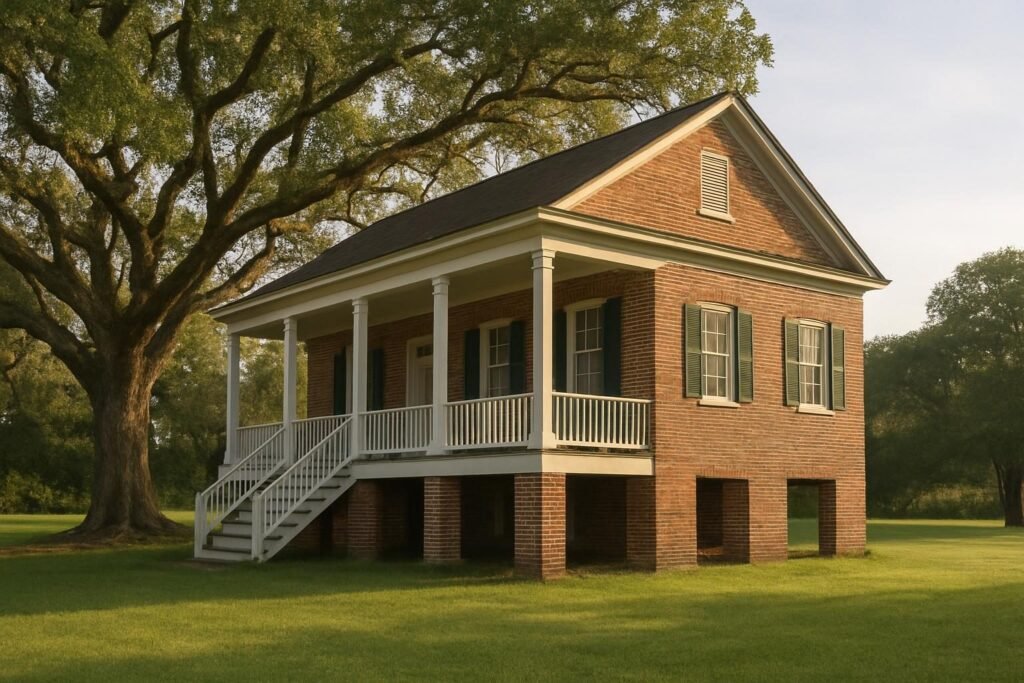
Many homes here, especially in the historic district and older parts of New Bern, Bridgeton and James City, sit on pier-and-beam or crawl space foundations. These are common and perfectly sound when maintained, but they depend on dry, stable ground under each pier.
Warning signs worth taking seriously
Not every crack is a crisis. Houses settle a little, and hairline cracks in drywall are common. The patterns below point to something more.
Inside the house
- Floors that slope, bounce or feel spongy
- Doors and windows that stick or no longer latch
- Diagonal cracks running from the corners of doors and windows
- Gaps between walls and ceilings or floors
Outside and underneath
- Stair-step cracks in brick or block, especially if they keep growing
- Piers that lean, crack or have shifted off their footings
- Standing water, soft soil or erosion under the house
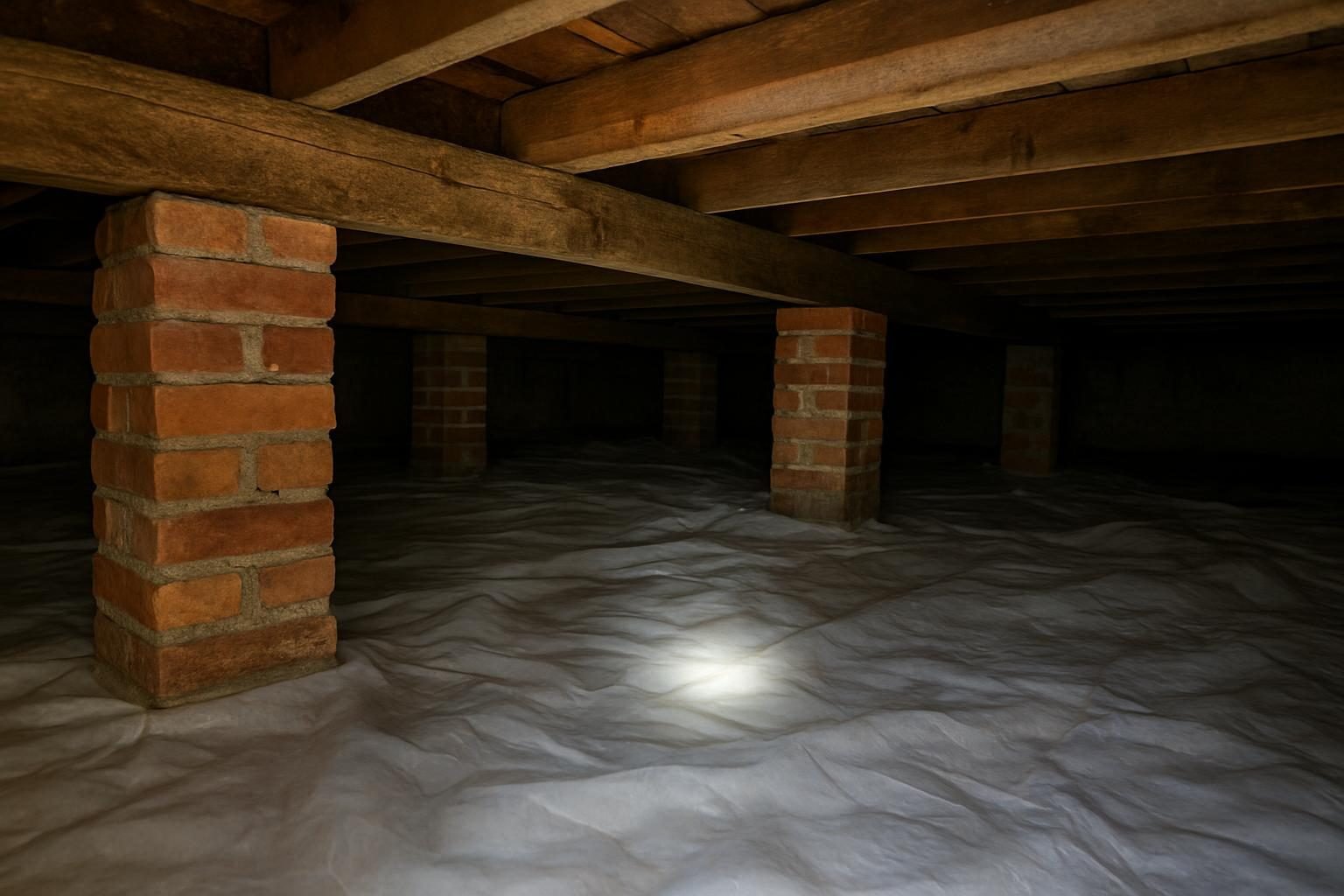
- Sagging or damp insulation, rotted floor joists or visible mold in the crawl space
Local tip: Take dated photos of cracks and put a pencil mark at each end. If a crack grows over a few months, show the photos to an engineer. It tells them far more than a single visit can.
Common foundation repairs, explained
Repairs depend on your foundation type and what is actually failing. Here is how the usual fixes break down.
| Repair | What it addresses | Typical range (estimate) |
|---|---|---|
| Pier adjustment or shimming | Minor settling of existing piers | Several hundred to a few thousand dollars |
| Adding or replacing piers | Failed, missing or undersized supports | Roughly $500 to $1,500 or more per pier |
| Sistering or replacing joists | Rotted or sagging floor framing | Highly variable, often a few thousand dollars |
| Crawl space encapsulation | Moisture and humidity control | Commonly several thousand to $10,000+ |
| Drainage correction | Water pooling near the foundation | Hundreds to several thousand dollars |
| Underpinning or helical piers | Deeper settlement of footings or slabs | Often $10,000 and up for larger jobs |
These are general ranges only. Your quote will depend on access, house size, soil conditions, permit needs and how much is wrong. Treat any figure here as a starting point for questions, not a price.
Crawl space moisture is a foundation issue too
In our humid climate, a wet crawl space can rot framing long before the piers move. Vapor barriers, vents or sealed systems, proper grading and gutters that carry water away from the house often cost less than structural work and prevent it. If you are also seeing damp problems, our guide to water damage restoration in New Bern covers what to do first.
In river country, the foundation problem is usually a water problem first and a structural problem second.
What causes problems after storms and floods
Heavy rain, storm surge and river flooding can saturate soil, wash out material around footings and leave crawl spaces soaked. Even if floodwater never reached the living area, moisture trapped beneath the house can linger.
- Check safety first: Stay out of crawl spaces with standing water or any electrical hazards.
- Document everything: Photos and notes help with insurance and with contractors.
- Dry it out: Pumping and ventilating promptly limits rot and mold.
- Have the structure inspected: Look for shifted piers, washed-out soil and damaged joists.
Flood coverage and homeowners policies treat these situations differently, so review your own policy and talk with your agent. Our cost of living guide touches on how insurance factors into owning here.
Engineer or contractor: who do you call first?
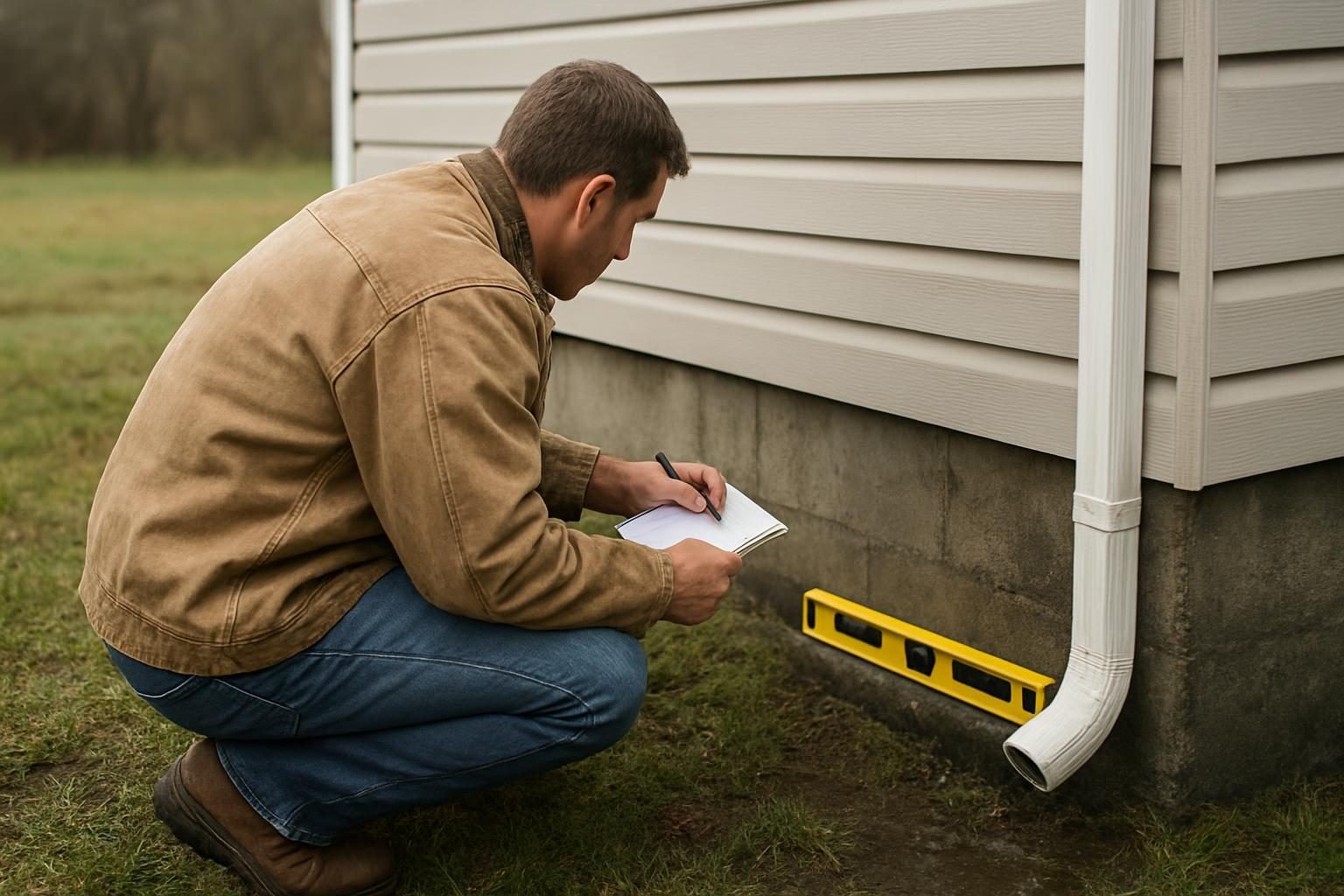
This is the question that saves homeowners the most money. A foundation contractor sells repairs. A licensed structural engineer sells an unbiased opinion. The two roles are different.
- Hire an engineer first if the problem is significant, the cause is unclear, or a bid feels high. They inspect, diagnose and write a scope of work you can use to compare bids.
- Go straight to a contractor for obvious, small jobs like replacing a few piers or fixing drainage.
- Get an inspection if you are buying. A home inspector can flag concerns, and an engineer can follow up.
An engineer’s report is usually a few hundred dollars up to a bit more for complex cases, which is small compared with an unnecessary five-figure repair. Confirm that anyone you hire is properly licensed in North Carolina through the appropriate state board, and verify current credentials with the NC Licensing Board for General Contractors.
How to choose a foundation repair pro
- Get at least three written estimates that spell out materials, scope and timeline.
- Ask about licensing and insurance and request proof of both.
- Ask how they address the cause, not just the symptom. Drainage and moisture should come up.
- Be wary of high pressure. A “sign today” discount is a red flag for a structural job.
- Check warranty terms and whether they transfer to a future buyer.
- Ask for local references and look for work on homes like yours.
Many crawl space and foundation jobs overlap with other trades. Plumbing leaks can soften soil, so a good plumber in New Bern may need to check supply and drain lines. Large trees too close to the house may need attention, which our guide to tree removal in New Bern covers.
Buying or selling a home with foundation issues
If you are moving to the area, including with a PCS move to Cherry Point, foundation questions often surface during inspection. Older homes with crawl spaces are common, and many have minor, long-standing settling that is not a deal breaker.
- Ask for an engineer’s evaluation during the inspection period.
- Request repair records and warranties from the seller.
- Check flood zone status and crawl space conditions closely.
- Factor repair estimates into your offer rather than assuming the best.
For a wider picture of what to expect from local housing, see our guide to living in New Bern, and browse our Home & Property section for more maintenance advice. Our Local Pros hub lists other services homeowners commonly need.
Preventing foundation problems
Maintenance is cheaper than repair. A few habits go a long way in humid river country.
- Keep gutters clean and downspouts extending several feet from the house.
- Grade soil so it slopes away from the foundation.
- Inspect the crawl space at least once a year, and after major storms.
- Repair plumbing and HVAC condensate leaks promptly. Our HVAC repair guide explains how ducts in crawl spaces add to moisture trouble.
- Control humidity with a vapor barrier or encapsulation where appropriate.
If you have noticed any of the warning signs above, you can request foundation repair help from a vetted local pro and get a first look at what is going on.
FAQ
How much does foundation repair cost in New Bern?
Costs vary widely. Minor pier work or drainage fixes may run from a few hundred to a few thousand dollars, while significant structural repair can reach well into five figures. Get an engineer’s assessment and multiple written bids.
Is a crack in my foundation always serious?
No. Hairline cracks are common. Wide cracks, stair-step patterns in masonry, or cracks that keep growing are more concerning and deserve professional evaluation.
Does homeowners insurance cover foundation repair?
Often not, especially for settling, wear or flooding. Coverage depends on the cause and your specific policy, so review it and ask your insurance agent.
Should I call an engineer or a contractor first?
For anything beyond a small, obvious fix, start with a licensed structural engineer. They give an unbiased diagnosis you can use to compare contractor bids.
Can a wet crawl space damage my foundation?
Yes. Persistent moisture can rot wood framing, corrode hardware and soften the soil under piers, so controlling water is a key part of foundation care here.
Request foundation repair help in New Bern
Tell us about your home and the problem, and a vetted local foundation pro will follow up to discuss next steps.