Quick answer: Mold remediation in New Bern means finding and fixing the moisture source, then containing and removing contaminated material so mold stops coming back. Typical jobs run from a few hundred dollars for a small, isolated spot to several thousand for a crawl space or a house with flood-related growth. Hire a company that tests, documents and fixes the water problem first, not one that just sprays and paints over it.
Key takeaways
- In river country, mold almost always traces back to a moisture problem: a leak, a wet crawl space or a flooded wall cavity.
- Start drying within 24 to 48 hours of any water event; mold can begin growing in that window.
- Cost depends on square footage, material removed and whether containment is needed, so get written scopes from at least two companies.
- Remediation without fixing the water source is wasted money.
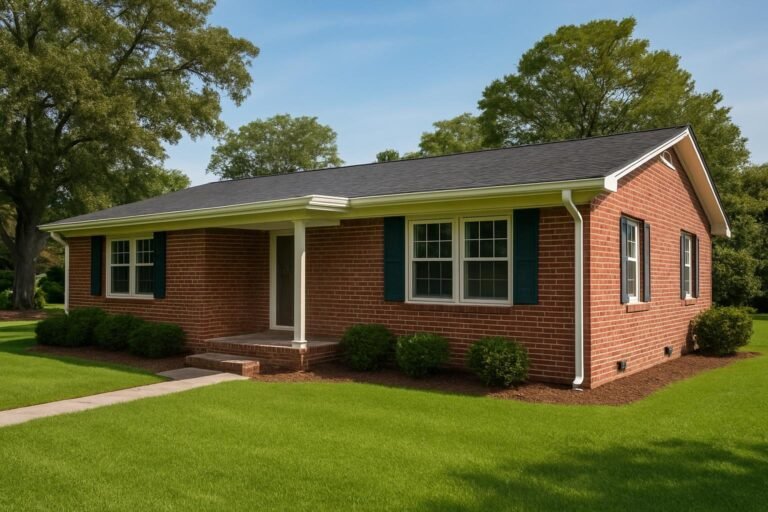
New Bern sits where the Neuse and Trent rivers meet, and the air here is damp for most of the year. Summer humidity, low-lying lots, older houses with crawl spaces and a long history of storm water make mold a regular homeowner problem, not a rare one. If you have already had a leak or flood, our guide to water damage restoration in New Bern covers what to do first.
If water is the root of your problem, you can request help with water damage restoration from a vetted local pro using the form on this page.
Why mold is such a common problem in Craven County
Mold needs moisture, a food source (wood, drywall, insulation, dust) and time. Eastern North Carolina supplies all three in abundance.
- Humidity: Long, muggy summers keep indoor air near the point where surfaces start to sweat, especially in closed-up rooms and closets.
- Flood and storm history: Florence and other storms pushed water into homes in Trent Woods, River Bend, Fairfield Harbour, James City and low parts of town. Wall cavities that stayed wet for days are classic mold sources.
- Crawl spaces: Many older homes sit on vented crawl spaces that pull in humid air and let it condense on cool surfaces.
- High water tables: Near the rivers and creeks, such as Brices Creek, ground moisture is a constant fact of life.
Signs you may have a mold problem
Visible growth is only one clue. Often the first sign is smell.
- A persistent musty or earthy odor, especially in a closet, bathroom or near the floor
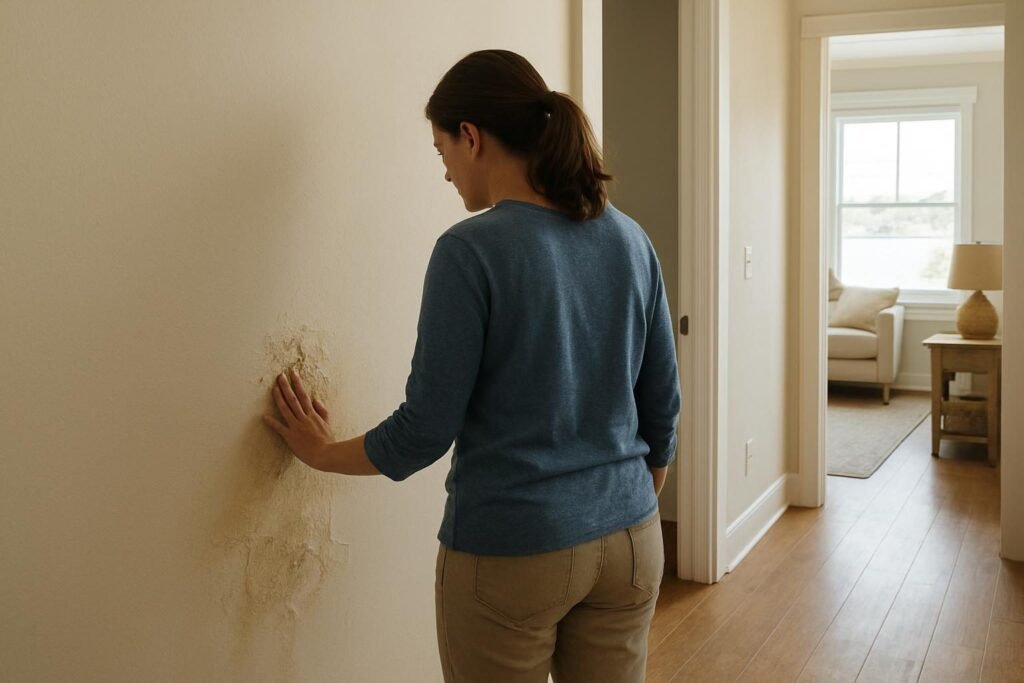
- Dark, fuzzy or speckled patches on walls, ceilings, baseboards or the underside of subflooring
- Peeling paint, bubbling drywall or warped trim
- Condensation on windows or ductwork that never seems to dry
- Allergy-like symptoms that ease when you leave the house
- Past water events, such as a roof leak, a burst supply line or storm water, that were never fully dried
A quick note on color: you cannot tell whether mold is harmful by looking at it. Black does not automatically mean dangerous, and white or green does not mean safe. What matters is the extent of the growth and the moisture behind it.
The usual suspects: where mold hides in local homes
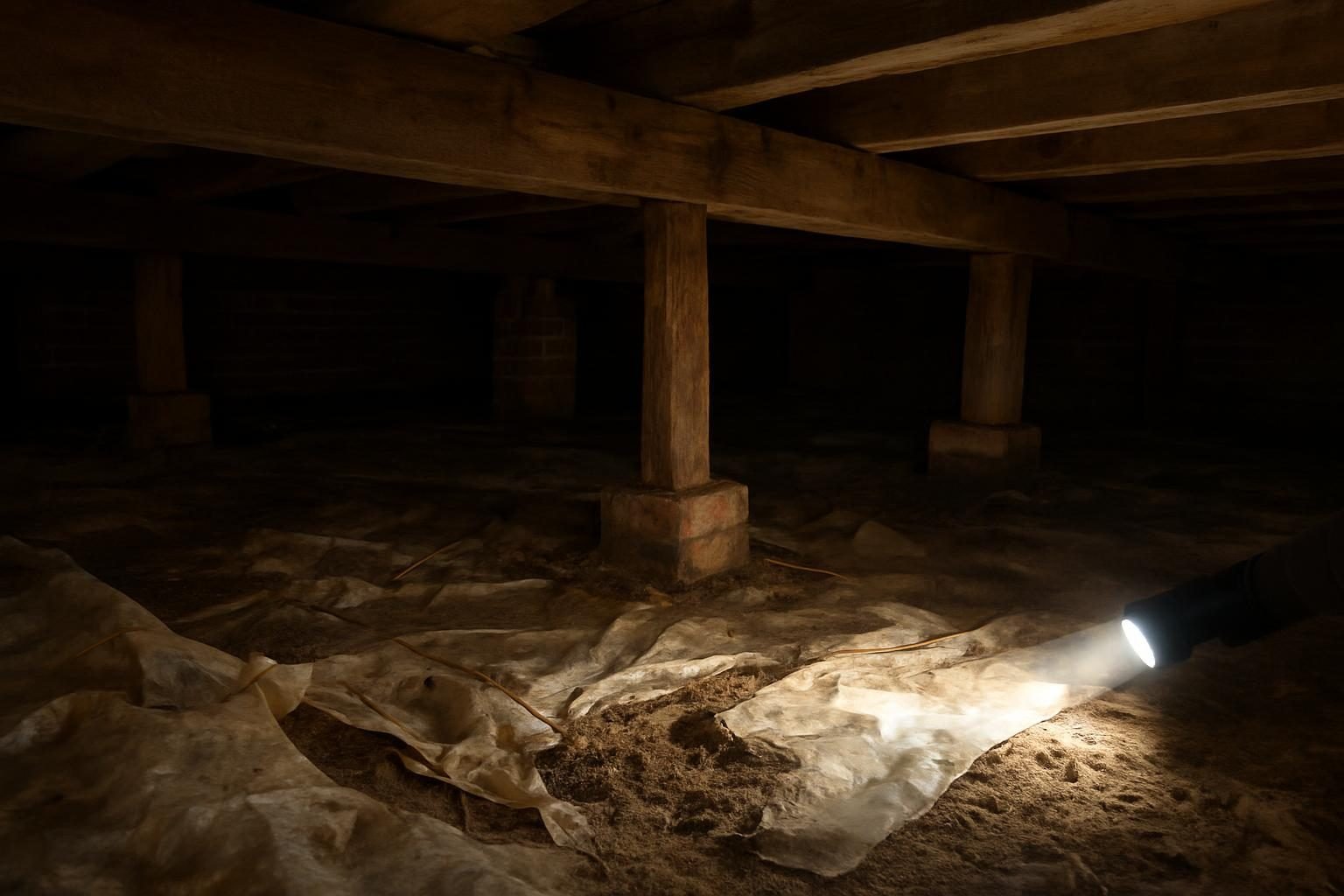
Crawl spaces
This is the number one hiding place around here. Wet soil, a vapor barrier that has torn or shifted, plumbing leaks and open foundation vents all feed mold on floor joists and subfloor. Mold below the house can send odor and spores up through the floor and into your HVAC system if ducts run underneath.
Once the existing mold is cleaned, the lasting fix is usually controlling moisture. Our upcoming guide to crawl space encapsulation will go through that option in detail. Structural moisture can also tie into the problems covered in our foundation repair guide.
Attics and roof leaks
A slow leak around a vent or flashing can wet decking and insulation for months. If you suspect the roof is the source, repair it before any cleanup. See our roof replacement cost guide for what to expect, and watch for the upcoming roof repair article for smaller fixes.
HVAC systems and ductwork
Oversized units cool quickly without removing humidity, and clogged condensate lines overflow into walls and closets. If mold keeps returning near vents or the air handler, have the system checked. Our HVAC repair guide covers common problems.
Plumbing leaks
Slow leaks under sinks, behind washers and inside walls are easy to miss. A plumber should find and fix them before any remediation starts; see our plumber guide for common jobs and emergencies.
In New Bern, mold is almost never the real problem; it is the receipt for a moisture problem nobody caught.
After a storm or flood: what to do first
Speed matters more than anything. The steps below apply after a hurricane, a river rise or a pipe failure.
- Stay safe. Turn off power to wet areas and avoid standing water that may be contaminated.
- Document everything. Take dated photos and video before you move or discard anything, for your insurer.
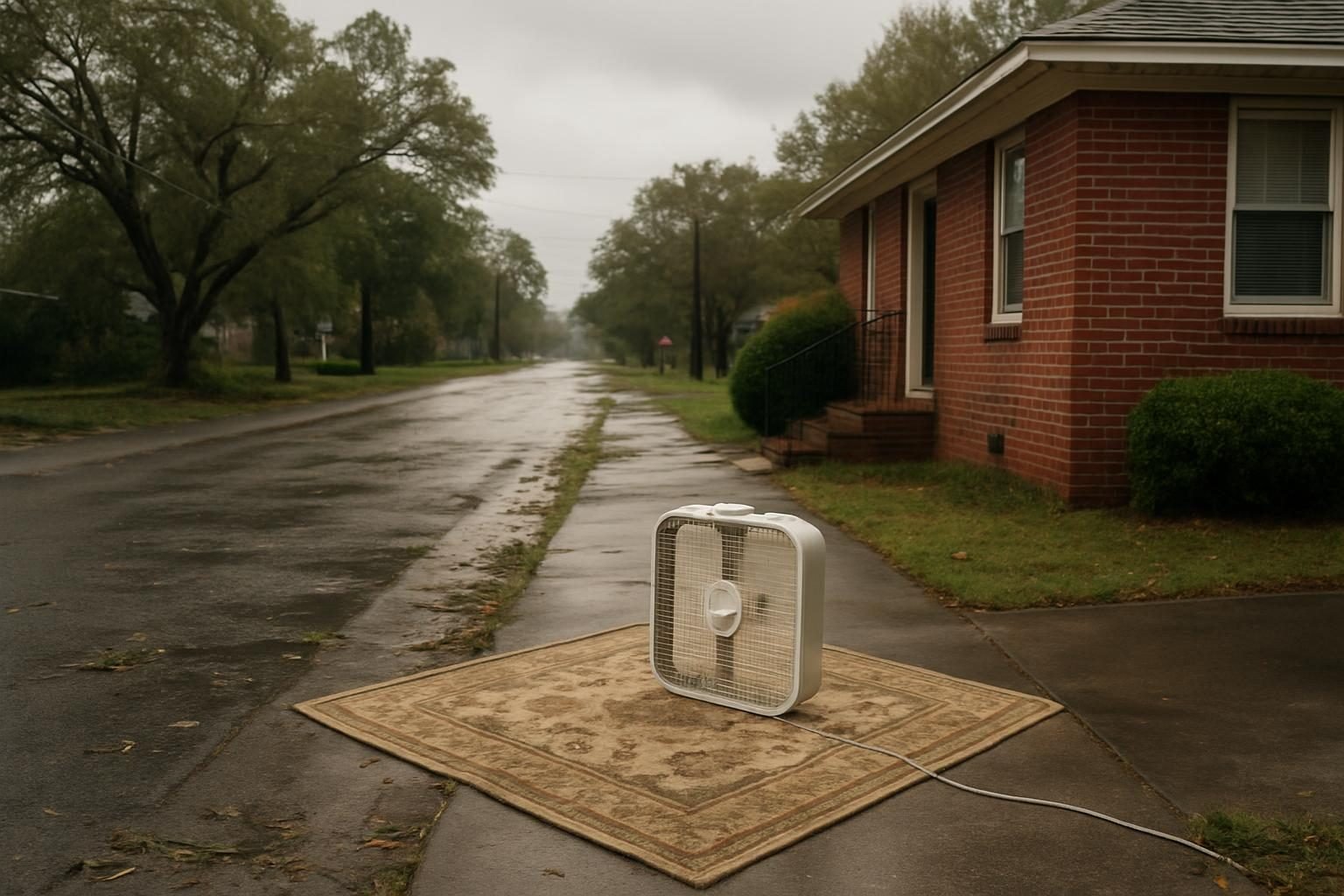
- Remove standing water and start drying right away with fans and dehumidifiers, or call a restoration company with commercial equipment.
- Pull soaked materials. Wet carpet, pad and insulation usually need to go; drywall that stayed wet often does too.
- Keep drying until readings are normal. Professionals use moisture meters to confirm walls and framing are actually dry.
- Inspect for mold if anything stayed wet longer than a couple of days.
Local tip: After a major storm, restoration companies get booked fast. Keep a short list of two or three pros before hurricane season, and ask insurance what documentation they require. Also review flood coverage; standard homeowners policies often exclude rising water.
How remediation actually works
A legitimate job follows a sequence. If a company skips steps, ask why.
| Step | What happens |
|---|---|
| Assessment | Visual inspection, moisture readings, and sometimes air or surface sampling to find the extent of growth |
| Source correction | The leak, humidity or drainage problem is identified and fixed or scheduled |
| Containment | Plastic barriers and negative air machines keep spores from spreading through the house |
| Removal and cleaning | Contaminated porous materials are bagged and removed; framing is cleaned with HEPA vacuuming and approved methods |
| Drying | Dehumidifiers and air movers bring the area back to normal moisture levels |
| Verification | Visual check, moisture readings and sometimes post-remediation testing |
| Rebuild | Drywall, insulation and finishes are replaced, often by a separate contractor |
Mold remediation cost in New Bern: typical ranges
Prices vary by company, access, severity and whether the job involves containment or demolition. The figures below are rough estimates only, so treat them as a way to spot wildly high or low quotes, not as a promise.
| Job type | Typical range (estimate) |
|---|---|
| Small, isolated area (a bathroom wall or closet) | Several hundred to around $1,500 |
| One or two rooms with drywall removal | Roughly $1,500 to $4,000 |
| Crawl space mold treatment | Roughly $1,500 to $6,000, more if encapsulation is added |
| Attic mold with insulation removal | Roughly $2,000 to $6,000 |
| Whole-house or flood-related remediation | Often $10,000 and up, depending on size and rebuild needs |
| Mold inspection and testing | Typically a few hundred dollars and up |
What pushes a price up:
- Larger affected square footage or hard-to-reach areas
- Needing full containment and air scrubbing
- Hidden damage found once walls open
- Rebuild work, which is usually quoted separately
- Emergency or after-storm demand
Insurance may cover mold that results from a sudden, covered event like a burst pipe, but often limits or excludes it when it stems from long-term leaks, humidity or flooding. Read your policy and talk to your agent before work begins. For broader budgeting, see our cost of living guide, which touches on insurance.
The cheapest quote often leaves out the one step that matters: finding out why the mold grew in the first place.
How to hire a mold remediation company
Mold work is lightly regulated, so you have to vet carefully. Ask these questions and expect clear answers.
- Do you find and address the moisture source? If the answer is just “we treat the mold,” keep looking.
- Will you provide a written scope and itemized estimate? It should name the areas, methods, containment and what is excluded.
- Who does testing? Reputable firms often separate the inspector from the remediator to avoid a conflict of interest.
- Are you licensed and insured? Verify general contractor licensing and insurance through NC state licensing sources, and ask for a certificate of insurance.
- What training do your technicians have? Industry certifications are a good sign, though not a guarantee.
- How do you contain and dry the area? Look for HEPA filtration, negative air and moisture readings.
- How will you confirm the job is done? Ask about post-remediation checks or clearance testing.
- What warranty do you offer, and in writing?
Red flags include pressure to sign the same day, fogging or spraying as the only treatment, refusing to explain methods, and no mention of drying or repair. For general guidance on mold and moisture, the EPA’s mold resources at epa.gov/mold are a solid reference.
Preventing mold in a river-country house
Prevention beats remediation every time, and in this climate it is mostly routine upkeep.
- Control humidity: Aim for indoor humidity roughly in the 30 to 50 percent range, and use a dehumidifier where needed.
- Keep gutters and grading right: Water should move away from the foundation. See the upcoming gutter installation guide for options.
- Run bath and kitchen fans and vent dryers outdoors.
- Inspect the crawl space a couple of times a year for standing water, torn vapor barrier and damp insulation.
- Service your HVAC and clear condensate lines.
- Fix leaks fast and dry anything wet within a day or two.
- Check after storms, including attic and wall corners, not only floors.
Planning to buy or move here? Mold and moisture history are worth asking about during inspection, and our guide to living in New Bern and the wider Home & Property section help you plan for upkeep. You can also browse more trusted trades in our Local Pros directory.
If a leak or storm has left your home wet, request help with water damage restoration from a vetted local pro before mold has a chance to take hold.
FAQ
How long does mold remediation take?
Small jobs may take a day or two. Larger projects with containment, drying and verification commonly run several days to a couple of weeks, plus rebuild time.
Can I clean mold myself?
Small, surface-level spots on hard materials can often be cleaned by a homeowner with proper protection. Large areas, growth in porous materials, or anything linked to flooding or sewage should go to a professional.
Does homeowners insurance cover mold?
Sometimes, when mold results from a sudden covered event such as a burst pipe. Many policies cap or exclude mold, and flood-related damage typically needs separate flood coverage. Check with your insurer before work starts.
Do I need mold testing before remediation?
Not always. When growth is visible, testing may add little. It can help with hidden mold, disputes, or verifying the job is complete. Use a tester independent of the remediation company when possible.
Will mold come back after remediation?
It will if the moisture problem is not fixed. Correcting the leak, drainage or humidity issue, and keeping the area dry, is what prevents a repeat.
Get water or mold help from a vetted New Bern pro
Tell us what happened and where; a local restoration pro will follow up to discuss next steps and a written estimate.