Quick answer: Subterranean termites are the main threat to homes in eastern North Carolina, and the warm, humid, sandy-soil climate around New Bern and Havelock keeps them active most of the year. Swarmers in spring, mud tubes on foundations and soft, hollow-sounding wood are the signs to act on. Treatment usually means a liquid barrier or a bait system, backed by a yearly inspection and a termite bond.
Key takeaways
- Subterranean termites cause most of the damage here; swarms typically show up in spring.
- Mud tubes, discarded wings and bubbling paint or soft wood are the signs to take seriously.
- Moisture is the invitation: wet crawl spaces, leaky gutters and flood-soaked wood draw termites in.
- Liquid treatments and bait systems both work; the right choice depends on your house and the inspector’s findings.
- Read a termite bond carefully, since “repair” and “retreatment-only” coverage are very different promises.
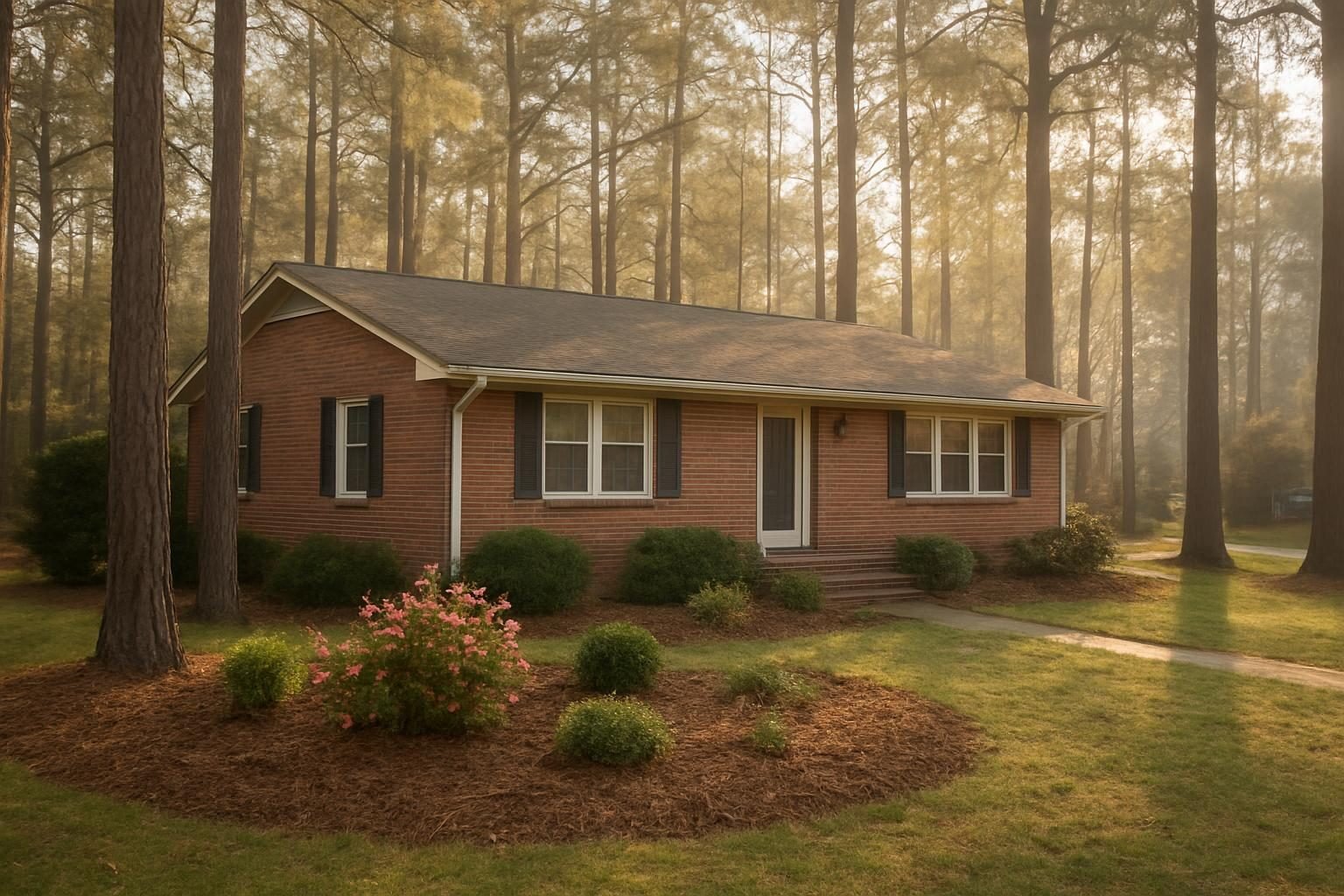
If you own a home in Craven County, you are living in prime termite country. Between the humidity, the wooded lots in Trent Woods and River Bend, and a lot of older wood-frame housing, termites are a when-not-if conversation. This guide covers what to look for, when to look, and what your options are. If you suspect an active problem, you can request help with termite control from a vetted local pro using the form on this page.
Which termites live in eastern North Carolina
Three groups matter to local homeowners. Subterranean termites do the vast majority of structural damage. Drywood and dampwood termites exist in the broader coastal region but are far less common in houses here.
| Type | Where it lives | How common here |
|---|---|---|
| Eastern subterranean | Soil, with mud tubes up foundations and piers | The main structural pest in the region |
| Formosan subterranean | Soil and wall voids, larger colonies | Present in parts of coastal NC; colonies can be more aggressive |
| Drywood | Dry wood above ground, no soil contact | Uncommon in homes here |
| Dampwood | Very wet, decaying wood | Occasional, usually where there is a serious leak or rot |
Subterranean termites need moisture, which is why they thrive in river country. They travel between the soil and your wood framing through mud tubes, hidden gaps and cracks, and they can eat quietly for years before anything shows.
Swarm season: what to watch for
Swarmers are the winged reproductive termites that leave a mature colony to start new ones. In eastern North Carolina, subterranean swarms typically peak in spring, often after warm, damp weather, though timing varies from year to year and you can see activity at other times.
A swarm indoors usually means a colony is already established nearby, sometimes inside your structure. Do not assume it is only a nuisance.
Termite swarmer or flying ant?
- Waist: termites have a thick, straight waist; ants are pinched.
- Antennae: termite antennae are straight; ant antennae are elbowed.
- Wings: termites have four equal-length wings; ants have front wings longer than the back pair.
Piles of shed wings on windowsills or near doors are one of the clearest signs a swarm happened inside.
Signs of termites in your home
Termites hide, so you are mostly looking for indirect evidence. Check these spots on a regular schedule, especially in the crawl space.
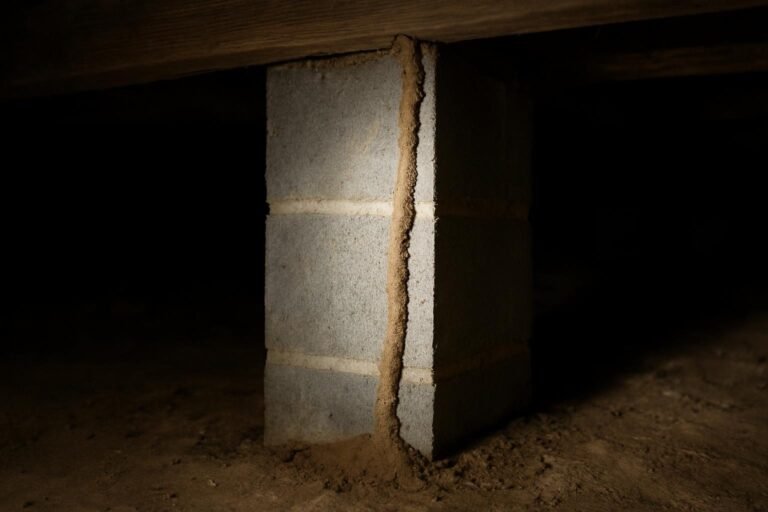
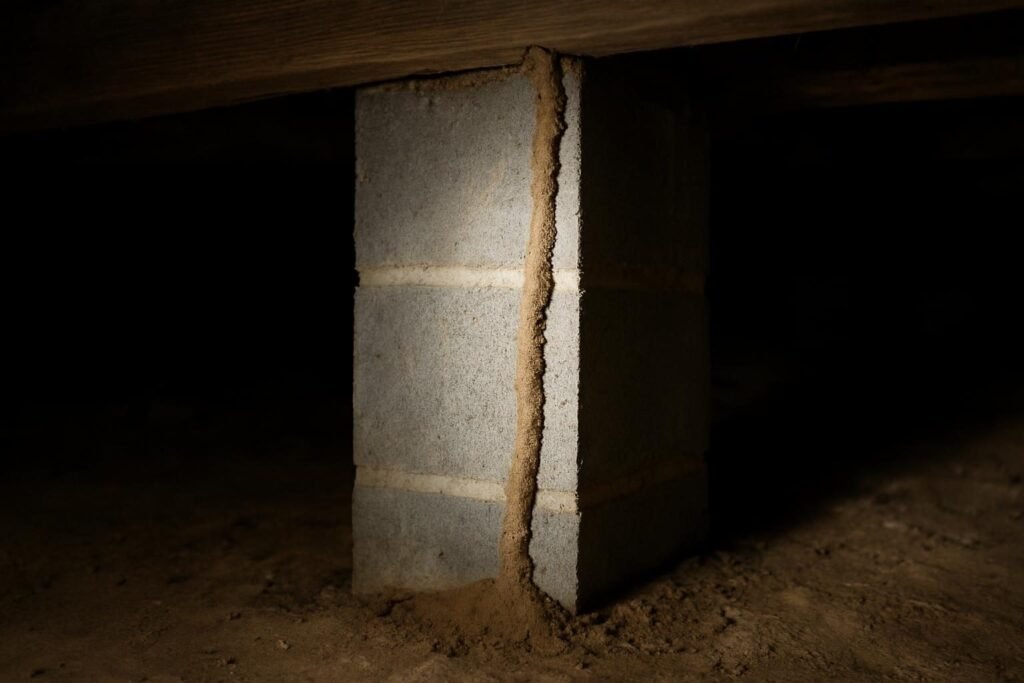
- Mud tubes: pencil-width tunnels of dirt along foundation walls, piers and sill plates.
- Discarded wings: small, matching wings near windows, doors and light fixtures.
- Hollow-sounding wood: tap baseboards, door frames and joists with a screwdriver handle.
- Blistered or sagging paint and drywall: can mimic water damage.
- Sticking doors and windows: moisture and framing damage can both cause this.
- Frass or tiny pellets: more typical of drywood termites, but worth reporting.
Local tip: Do not scrape away mud tubes you find. Photograph them and leave them intact so an inspector can see the activity and trace where it enters.
Why our area is high-risk
Several local conditions line up in termites’ favor.
- Humidity and warmth: long, mild seasons mean less winter downtime for colonies.
- Sandy, damp soils near the Neuse and Trent: easy tunneling and plenty of moisture.
- Crawl space construction: many homes sit on vented crawl spaces where moisture collects. Our guide to crawl space moisture in eastern NC explains how to cut it down.
- Older wood-frame housing: historic and mid-century homes often have decades of wood-to-soil contact and past water damage. See our older home maintenance guide for what to watch.
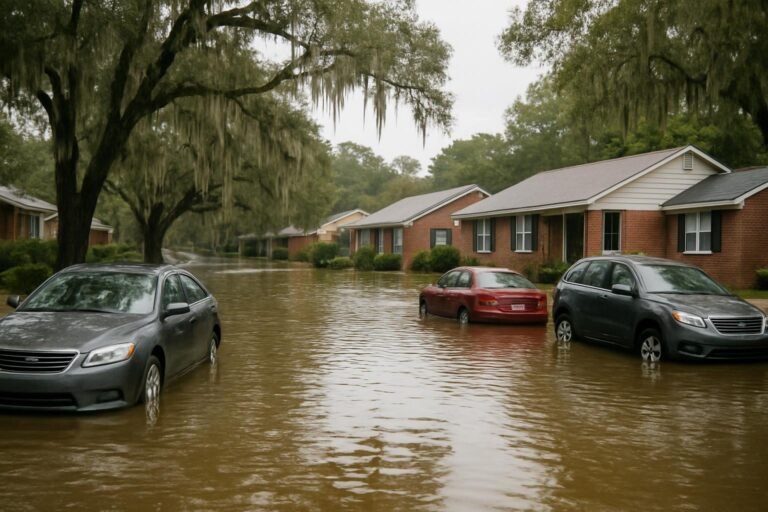
- Storm and flood exposure: soaked framing and displaced soil create ideal conditions after a big event.
Termites are drawn to moisture first and wood second, so a dry house is your best first defense.
Prevention that actually helps
No prevention plan is perfect, but good habits shrink the risk and make problems easier to spot.
- Control moisture. Fix leaks, keep gutters clear, and aim downspouts away from the foundation.
- Keep wood off the soil. Maintain a gap between the ground and siding, and stack firewood well away from the house.
- Mind the mulch. Keep it thin and pulled back from the foundation.
- Manage the crawl space. Seal vents or vapor barriers only as advised, and fix standing water.
- Remove old stumps and buried scrap wood near the house.
- Schedule a yearly inspection by a licensed pest control company.
If you are weighing a general pest plan alongside termite work, our upcoming guide to pest control in New Bern will cover the wider picture.
Treatment options
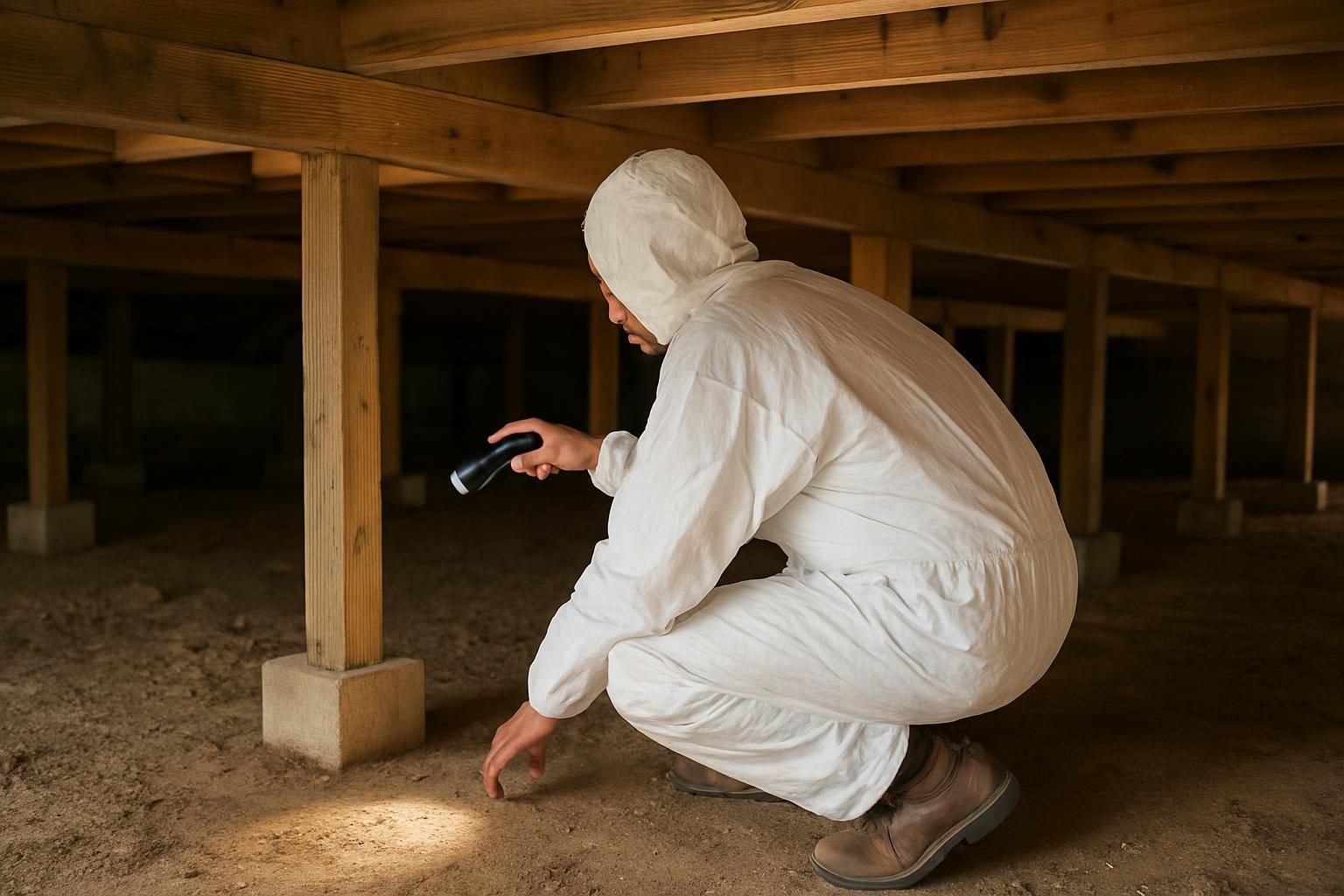
Most active infestations are treated with one of two main approaches, and sometimes both. A licensed inspector should identify the species, find the entry points and explain the plan in writing.
Liquid soil treatment
A liquid termiticide is applied in a trench or by injection around the foundation to create a treated zone in the soil. It acts quickly and is widely used. It requires access to the soil around and sometimes beneath the structure, which can mean drilling through concrete slabs or patios.
Bait systems
Stations placed around the property contain a slow-acting bait that foraging termites carry back to the colony. Baiting uses less liquid chemical and suits situations where trenching is difficult. It generally takes longer to show results and relies on ongoing monitoring.
Wood treatment and spot repairs
Borate wood treatments, localized foam or dust applications and damaged-wood replacement may supplement the main treatment. Structural repair, such as replacing sill plates or joists, is a separate job, and a foundation or framing specialist may need to weigh in. Our upcoming guide to foundation repair in New Bern will help with that side.
| Approach | Speed | Upkeep | Best fit |
|---|---|---|---|
| Liquid barrier | Faster | Periodic inspection, retreatment as needed | Accessible soil, active infestations |
| Bait system | Slower | Ongoing monitoring | Hard-to-trench sites, lower-chemical preference |
| Combination | Varies | Both | Larger or recurring problems |
Costs vary widely by home size, foundation type and method, so get several written estimates and treat any single price as a rough range, not a rule. If you want a local professional to look at your home, use the form on this page to request termite control.
A written inspection report and a clear treatment plan matter more than the cheapest quote.
Inspections and termite bonds
Termite inspections are standard in home sales around here, and lenders often ask for a report. If you are buying, schedule one early. If you already own, an annual check is cheap insurance compared to structural repairs.
What a termite bond is
A termite bond is a service contract, usually renewed annually, that covers inspections and treatment after the initial work. Terms differ a lot between companies, so read the fine print.
- Retreatment-only bond: the company retreats if termites return, but you pay for any wood damage.
- Repair or damage bond: includes some coverage for repairs, usually with limits and exclusions.
- Transferability: useful if you plan to sell, and many buyers like to see one in place.
- Exclusions: ask about pre-existing damage, moisture conditions and areas the company cannot access.
Termite damage is typically not covered by standard homeowners insurance, so a bond and prevention are your real protection. For broader cost context on owning here, see our cost of living in New Bern guide. The NC Department of Agriculture and Consumer Services licenses and oversees structural pest control in the state; check its website to confirm a company’s license before you sign.
After a storm or flood
Wet framing and disturbed soil after a hurricane or river flood can raise termite and rot risk in the following months. Dry out thoroughly, and ask for an inspection once the structure is stable. Our after-a-flood checklist for Craven County homeowners and hurricane prep checklist cover the bigger picture. For more home guidance, browse the Home & Property hub, or compare contractors through our Local Pros directory.
Seeing swarmers, mud tubes or soft wood? Request termite control help from a vetted local pro with the form below, and keep your photos handy.
FAQ
When is termite swarm season in eastern North Carolina?
Subterranean termite swarms typically peak in spring, often after warm, wet weather, though timing varies by year and location. Swarmers indoors can show up at other times and always deserve an inspection.
How can I tell if I have termites or just water damage?
Both can cause soft wood and bubbling paint. Termite clues include mud tubes, discarded wings and tunneled wood with a layered, maze-like look. An inspector can tell the difference and often finds both problems together.
Does homeowners insurance cover termite damage?
Usually not. Standard policies commonly exclude termite damage, so check your policy and ask any termite bond provider exactly what repairs, if any, they cover.
How often should I get a termite inspection?
Once a year is the common recommendation in this climate, plus an inspection when buying a home or after significant flooding or water damage.
Is a termite bond worth it?
For many local homeowners, yes, mainly for the annual inspections and retreatment coverage. Compare what each bond actually covers, and confirm the company is licensed before you commit.
Request termite control from a vetted New Bern pro
Tell us about your home and what you have seen, and a vetted local termite pro will follow up to schedule an inspection.